
How To
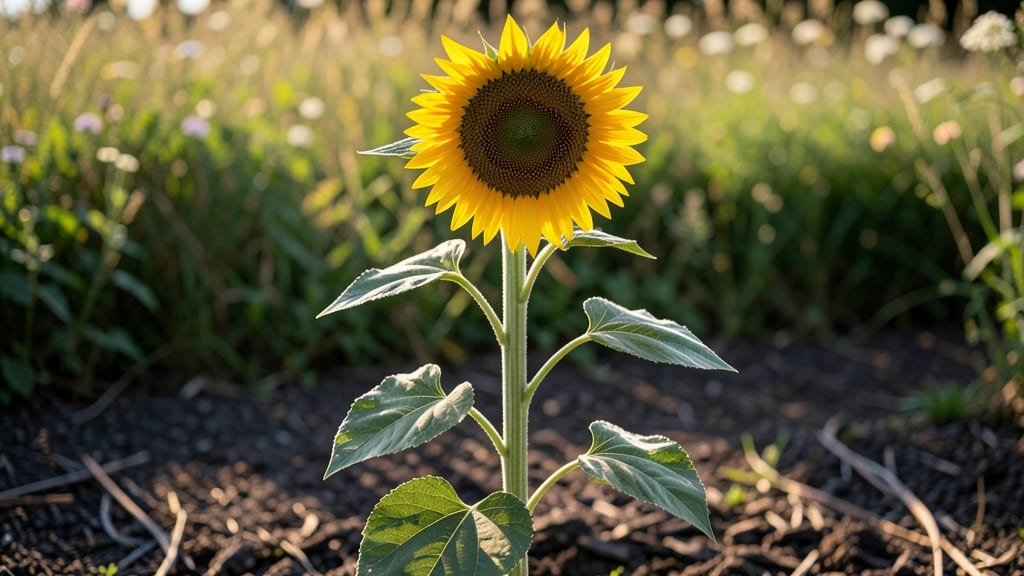
If you’ve ever wondered just how tall does a sunflower grow, the answer might surprise you—these cheerful blooms can range from pint-sized patio plants to towering giants that reach higher than your garage door! 🌻 Whether you’re dreaming of a sunflower border or planning a container garden, knowing the right variety for your space is the key to success.
Sunflowers aren’t one-size-fits-all; some stay compact at just 1-3 feet, perfect for balconies or small pots, while others stretch skyward to 12-16 feet, needing room to spread their roots and reach their full potential.
The difference often comes down to genetics, but soil quality, sunlight, and care can push even dwarf varieties to new heights—or keep giants from toppling over.
In this guide, I’ll break down the exact height ranges for popular sunflower types, from dwarf varieties that fit in window boxes to giant cultivars that could outgrow your expectations.
You’ll also discover how to maximize growth, choose the right spot in your garden, and even use sunflowers for everything from cut flowers to bird feeders—because great sunflowers aren’t just tall, they’re versatile too.
Ready to pick the perfect sunflower for your space? Let’s dive into the varieties, tips, and tricks that will help you grow the tallest (or shortest!) sunflowers your garden can handle.

Sunflower height by variety: from dwarf to giant types
Sunflowers come in a stunning range of heights, from compact dwarfs perfect for patio pots to giant varieties that can reach skyscraper proportions.
The average sunflower height depends entirely on the cultivar you choose, with some varieties maturing at just 18 inches while others soar to 14-16 feet—taller than most gardeners!
Understanding these height differences helps you plan your garden layout, choose support structures, and select varieties that fit your space. Whether you're growing sunflowers for cut flowers, bird feeders, or simply as a dramatic focal point, knowing the mature height ensures you'll be happy with your choices.
Here’s how sunflower varieties break down by height category, along with their ideal growing conditions and space requirements:
| Variety Type | Height Range | Best For | Sunlight Needs | Spacing |
|---|---|---|---|---|
| Dwarf Varieties | 1–3 ft | Containers, small gardens, urban balconies | Full sun (6+ hours) | 6–12 inches apart |
| Semi-Dwarf Varieties | 3–6 ft | Cut flowers, borders, mixed flower beds | Full sun (6–8 hours) | 12–18 inches apart |
| Standard Varieties | 6–12 ft | Backyard focal points, cut flower gardens | Full sun (8+ hours) | 18–24 inches apart |
| Giant Varieties | 12–16+ ft | Large gardens, dramatic displays, bird feeders | Full sun (8+ hours) | 24–36 inches apart |
For example, the 'Teddy Bear' variety stays under 3 feet tall, making it ideal for container gardening on patios or decks. In contrast, the 'Russian Giant' can reach 14–16 feet, requiring sturdy stakes and plenty of open space to avoid shading smaller plants.
If you're growing sunflowers for cut flowers, semi-dwarf varieties like 'Autumn Beauty' (4–5 ft) strike a balance between manageable height and long-lasting blooms. For bird feeders, giant varieties like 'Mammoth' (10–12 ft) produce abundant seeds that birds adore.
Always check the seed packet for exact height expectations, as some varieties can vary by 1–2 feet depending on growing conditions. Rich, well-draining soil and consistent moisture during the growing season can push even dwarf varieties toward the upper end of their height range.
Pro tip: If you love sunflowers but have limited space, consider vertical gardening with trellises or tall cages. This lets you grow taller varieties without sacrificing your garden’s layout or crowding other plants.
Now that you know the height ranges, you can confidently choose sunflowers that fit your garden’s vision—whether you want a whimsical dwarf display or a stunning giant centerpiece that turns heads every summer.
How to maximize sunflower growth: tips for tallest blooms
Sunflowers reach their full potential when given the right conditions—think of them as nature’s skyscrapers! To coax those towering sunflower stalks to their maximum height, focus on three key factors: soil nutrition, sunlight exposure, and support structures.
I’ve grown giants over 12 feet tall by following these simple but critical steps, and you can too!
First, amend your soil with compost or aged manure before planting. Sunflowers are heavy feeders, and nutrient-rich soil ensures strong root development—the foundation for height. Aim for a pH between 6.0 and 7.5, as this range helps them absorb essential minerals like nitrogen and phosphorus for rapid growth.
Soil Prep
- 🌱 Test soil pH (6.0–7.5 ideal)
- 🪴 Mix in compost (2–3 inches deep)
- 💧 Avoid waterlogged soil (roots need oxygen)
Sunlight is non-negotiable for sunflowers. Plant them in a spot where they’ll receive at least 6–8 hours of direct sunlight daily. I’ve seen dramatic differences in height when moving plants to sunnier locations—sometimes adding 3–4 feet to their mature stature!
If your garden is shady, consider using reflective surfaces like white walls or mulch to bounce extra light onto the plants.
For tall varieties (over 8 feet), stakes or cages are a game-changer. Without support, winds or heavy blooms can cause stems to bend or snap. I recommend bamboo stakes or wire cages inserted gently beside the stem as they grow.
Tie stems loosely with soft fabric or old t-shirts—never wire—to avoid damaging the delicate sunflower stalks.
Watering plays a surprising role in height too. Deep, consistent watering (1–2 gallons per plant weekly) encourages strong root systems, while shallow, frequent watering can lead to leggy, weak growth. Water at the base of the plant in the morning to reduce fungal risks and maximize absorption.
Once established, sunflowers are drought-tolerant, but young plants need steady moisture to reach their full height potential.
Finally, avoid over-fertilizing with nitrogen-heavy products, which can promote leafy growth at the expense of height. Instead, use a balanced 10-10-10 fertilizer every 4–6 weeks during the growing season.
I’ve found that stopping fertilizer 4–6 weeks before harvest helps redirect energy to the flower and seed head, resulting in taller, sturdier stems.
With these tips, you’ll be growing sunflowers that rival the giant Russian Mammoth variety—or at least come close! The key is patience and consistency. Happy growing! 🌻