
How To
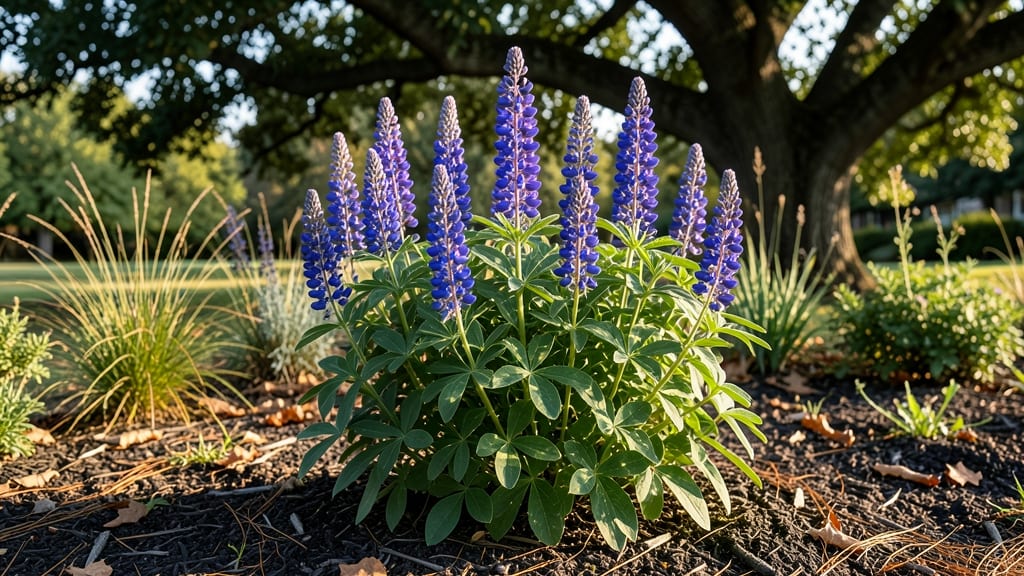
If you’re wondering how tall Baptisia can grow in your garden, the answer depends on the variety—it can stay as short as 1 foot or soar to 5 feet at maturity.
This isn’t just about numbers; it’s about how you’ll space it, what neighbors it’ll pair well with, and whether it’ll become the star or the supporting player in your perennial bed.
Let’s cut to the chase: Baptisia australis, the most common type, typically reaches 3 to 4 feet at maturity, while B. alba leans toward the shorter side at 2 to 3 feet.
But here’s the kicker—some dwarf varieties barely top 1 foot, making them perfect for borders or containers. Knowing these ranges means you can plan your garden layout without surprises down the road.
What’s just as important as height is how fast Baptisia grows. In its first year, you’ll see a modest 1 to 2 feet of growth, but by year three, it’ll likely hit its full potential.
That’s why timing your planting in early spring—when the soil is workable and frost isn’t a threat—sets the stage for steady, healthy growth.
Whether you’re dreaming of a dramatic backdrop or a tidy edge, understanding Baptisia’s growth habits is your secret weapon. I’ll walk you through the exact heights by variety, spacing tips, and how to pair it with other plants for a show-stopping display—no guesswork, just smart gardening.

Baptisia height by variety: exact growth expectations for garden planning
When planning your garden, understanding how tall Baptisia grows is essential for creating a balanced, visually appealing layout. This stunning perennial comes in various heights, from compact clumpers to towering shrub-like varieties. Knowing these differences helps you avoid overcrowding or leaving awkward gaps in your garden beds.
Most Baptisia varieties reach their mature height within 3 to 5 years, though some dwarf types stay shorter. The height range varies significantly between species, so let’s break down the exact expectations for each to help you choose the perfect fit for your space.
Baptisia australis, the most common variety, typically grows 3 to 5 feet tall at maturity. This makes it a standout in perennial borders, especially when planted in groups. Its upright growth habit allows it to create a natural focal point without overwhelming smaller plants.
Baptisia alba, also known as white wild indigo, usually reaches 2 to 4 feet tall. This variety is slightly more compact, making it ideal for smaller gardens or mixed borders where you want height without sacrificing space for other plants.
If you're looking for a dwarf Baptisia, varieties like Baptisia sphaerocarpa or Baptisia minor stay between 1 to 3 feet tall. These are perfect for rock gardens, container plantings, or the front of borders where you want a lower, bushier look.
| Variety | Mature Height | Growth Habit | Best For |
|---|---|---|---|
| Baptisia australis | 3–5 ft | Upright clumping | Back of borders, focal points |
| Baptisia alba | 2–4 ft | Bushy, rounded | Mixed borders, containers |
| Baptisia sphaerocarpa | 1–3 ft | Compact, clumping | Rock gardens, front of borders |
| Baptisia minor | 1–2 ft | Low-growing, spreading | Ground cover, containers |
For gardeners in USDA Zones 4–9, Baptisia thrives with minimal care once established. Its height is influenced by sunlight exposure—full sun (6+ hours daily) encourages taller growth, while partial shade may result in slightly shorter, bushier plants.
When planting, leave 2 to 3 feet of space between taller varieties like Baptisia australis to allow for air circulation and prevent overcrowding. For dwarf types, 1 to 2 feet of spacing is usually sufficient.
One of the reasons Baptisia is so popular is its low-maintenance nature. Unlike many perennials, it doesn’t require pruning to control height—simply deadhead spent flowers in early summer to encourage a second flush of blooms and maintain a tidy appearance.
If you’re designing a pollinator-friendly garden, taller Baptisia varieties provide excellent vertical interest while attracting bees and butterflies. Pair them with shorter perennials like coneflowers (Echinacea) or black-eyed Susans (Rudbeckia) to create a layered, dynamic look.
For container gardening, choose dwarf varieties like Baptisia minor or Baptisia sphaerocarpa. These thrive in 12-inch pots with well-draining soil, making them perfect for patios or balconies where space is limited.
Remember, Baptisia’s height is just one factor in its charm. Its striking blue or white flowers and fern-like foliage add texture and color to any garden, regardless of size. With the right variety and spacing, you can create a stunning perennial display that evolves beautifully over the years.
How fast Baptisia grows: year-by-year height progression for spacing timelines
Understanding how quickly baptisia reaches its mature height helps you plan your garden layout with confidence. Unlike some perennials that creep along slowly, baptisia shows steady growth each year, making it easier to predict when it’ll need more space.
Knowing this progression lets you avoid overcrowding or leaving gaps that look unfinished.
Most baptisia varieties follow a predictable growth pattern, gaining about 1 foot per year until they reach maturity. For example, Baptisia australis—the most common type—typically starts at just 1–2 feet tall in its first year and can reach 3–5 feet by year three.
This steady climb means you’ll see noticeable changes year after year.
Here’s how baptisia grows over time, broken down by year for easy planning:
If you’re planting dwarf varieties like Baptisia alba, expect slower growth—these stay under 2 feet tall even at maturity. Meanwhile, Baptisia sphaerocarpa can shoot up to 4 feet in just two years, so plan accordingly if you’re using it as a focal point.
Pro tip: Full sun and well-draining soil speed up growth, while shade or soggy soil can stunt it. Mulching around the base in early spring gives your baptisia a growth boost by retaining moisture and regulating soil temperature.
By year three, your baptisia will likely be at its full height, making it a reliable long-term garden staple. The key is patience—these plants reward careful spacing with years of stunning blue-purple blooms and drought-resistant foliage. 🌸