
How To
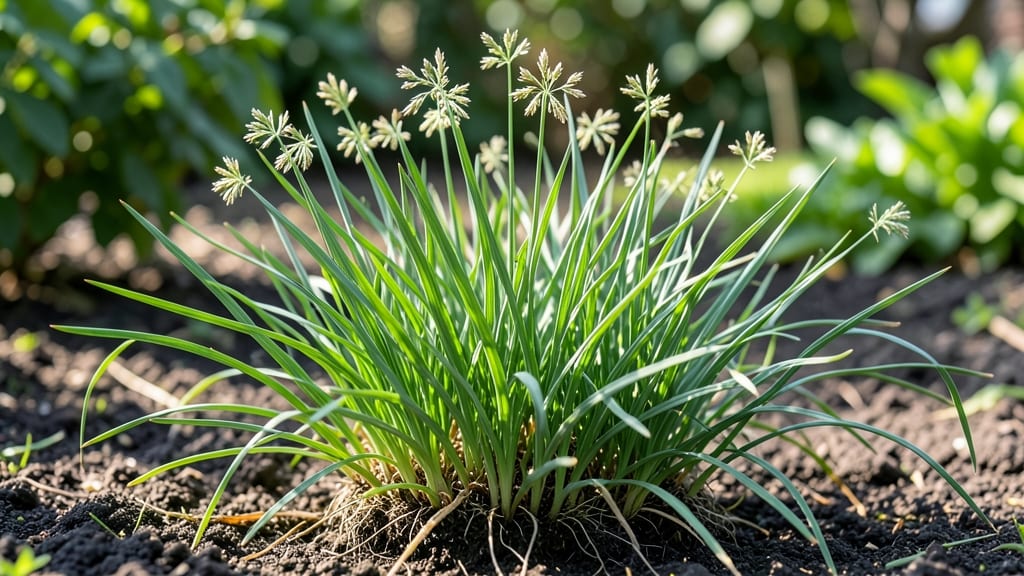
If you've ever wondered "how tall does bluegrass grow" and whether it'll swallow your small lawn whole, you're not alone. This classic grass can range from just 6 inches to over a foot tall—but the right variety makes all the difference for tight spaces.
For homeowners with limited yard space, compact bluegrass varieties are a game-changer. They deliver that lush, green look without requiring constant trimming or sacrificing health. The key is choosing the right type for your climate and maintenance routine.
I’ll break down the height ranges of popular bluegrass types and share my top picks for keeping your lawn manageable. Whether you're dealing with USDA Zone 6a conditions or just want to reduce mowing time, these insights will help you pick the perfect grass for your space.
From dwarf varieties that stay under 6 inches to standard types that reach 12 inches, we’ll cover everything you need to know to maintain a beautiful lawn without the hassle. Let’s get started!

Bluegrass growth height: standard varieties and their mature heights
If you're dreaming of a lush, green lawn but limited by space, understanding bluegrass growth height is key. Most standard varieties reach 6 to 12 inches at maturity, but this can vary based on climate, soil, and care.
Let’s break down the most common types and their ideal heights for a neat, manageable lawn.
The most popular type, Kentucky Bluegrass (Poa pratensis), typically grows 12 to 18 inches tall when left untrimmed. However, with regular mowing, you can keep it between 1.5 and 3 inches—perfect for a manicured look.
This variety thrives in full sun and is known for its drought tolerance once established.
Fine Fescue blends, often mixed with Kentucky Bluegrass, stay shorter—usually 3 to 6 inches tall—making them ideal for low-maintenance lawns. These varieties handle shade better and require less frequent mowing, which is a game-changer for busy homeowners.
Now, let’s dive into the specifics with a quick reference table to help you choose the best fit for your space and lifestyle.
| Variety | Mature Height | Ideal Mowing Height | Sunlight Needs |
|---|---|---|---|
| Kentucky Bluegrass | 12–18 inches | 1.5–3 inches | Full sun |
| Fine Fescue | 3–6 inches | 1.5–2.5 inches | Partial shade to full sun |
| Tall Fescue | 6–12 inches | 2–3 inches | Full sun to partial shade |
| Dwarf Bluegrass Hybrids | 2–4 inches | 1–2 inches | Full sun |
Seasonal changes also play a role in bluegrass height. In spring and fall, growth is most vigorous, so you might see blades reach their maximum height faster. During summer droughts, however, bluegrass may stay shorter to conserve moisture. Adjust your mowing schedule accordingly to avoid stressing the grass.
For small lawns or tight spaces, sticking to dwarf varieties or fine fescue blends is your best bet. These stay under 6 inches tall and require less frequent mowing, saving you time and effort. Plus, they’re often more drought-resistant, which is a bonus for water conservation.
If you’re unsure which variety to choose, consider your local climate and soil type. Sandy soils may require more frequent watering, while clay soils can lead to compacted roots if not amended with compost. Always test your soil’s pH level (ideal range: 6.0–7.5) to ensure optimal growth.
Pro tip: Overseeding with a shade-tolerant variety like fine fescue can help fill in thin spots and keep your lawn looking uniform and healthy year-round. This is especially useful in areas where full sun isn’t always available.
Remember, the healthier your bluegrass, the more compact and manageable its growth will be. Regular fertilization, proper watering, and sharp mower blades all contribute to a neat, low-maintenance lawn that fits perfectly in any space.
Next, we’ll explore top space-saving bluegrass varieties that thrive under 6 inches tall, perfect for small yards and urban gardens. Stay tuned!
Bluegrass growth height: standard varieties and their mature heights
If you've ever wondered how tall does bluegrass grow in your yard, the answer depends on the variety and growing conditions. Most standard Kentucky Bluegrass varieties reach 6 to 12 inches at maturity, but this can vary based on climate, soil quality, and maintenance.
Understanding these ranges helps you choose the right type for your space and mowing habits.
For example, Poa pratensis (common Kentucky Bluegrass) typically grows 12 to 18 inches when left unmowed, but most homeowners keep it between 2 and 4 inches for a neat lawn. This means regular mowing is essential to control its natural height and prevent it from becoming unmanageable.
Fine Fescue blends, often mixed with bluegrass, tend to stay shorter—around 3 to 6 inches—making them ideal for low-maintenance lawns. These varieties are also more drought-tolerant, which can influence their growth patterns in hotter climates.
| Variety | Mature Height (in) | Ideal Mowing Height (in) | Notes |
|---|---|---|---|
| Kentucky Bluegrass (Standard) | 12–18 | 2–4 | Fast-growing, needs frequent mowing |
| Fine Fescue Blends | 3–6 | 2–3 | Drought-tolerant, low-maintenance |
| Midnight Kentucky Bluegrass | 6–10 | 2–3 | Darker shade, slower growth |
| Barbara Fine Fescue | td style="padding: 8px;">2–41.5–2.5 | Ultra-low, shade-tolerant |
Seasonal changes also play a role in bluegrass height. In spring and fall, you’ll see rapid growth spurts of up to 1 inch per week if conditions are ideal. Summer heat can slow growth, while winter dormancy reduces height significantly. Adjust your mowing schedule to match these natural cycles.
For small lawns or tight spaces, opt for varieties like 'Barbara' Fine Fescue, which maxes out at 4 inches and requires less frequent mowing. This can save you time and effort while still delivering a lush, green lawn.
Always mow at the highest recommended height to promote root growth and resilience.
If you’re unsure which variety suits your yard, start with a soil test to check pH and drainage. Bluegrass thrives in slightly acidic soil (pH 6.0–7.5) and well-drained areas. Amending your soil with compost can help achieve the best growth conditions for your chosen variety.