
How To
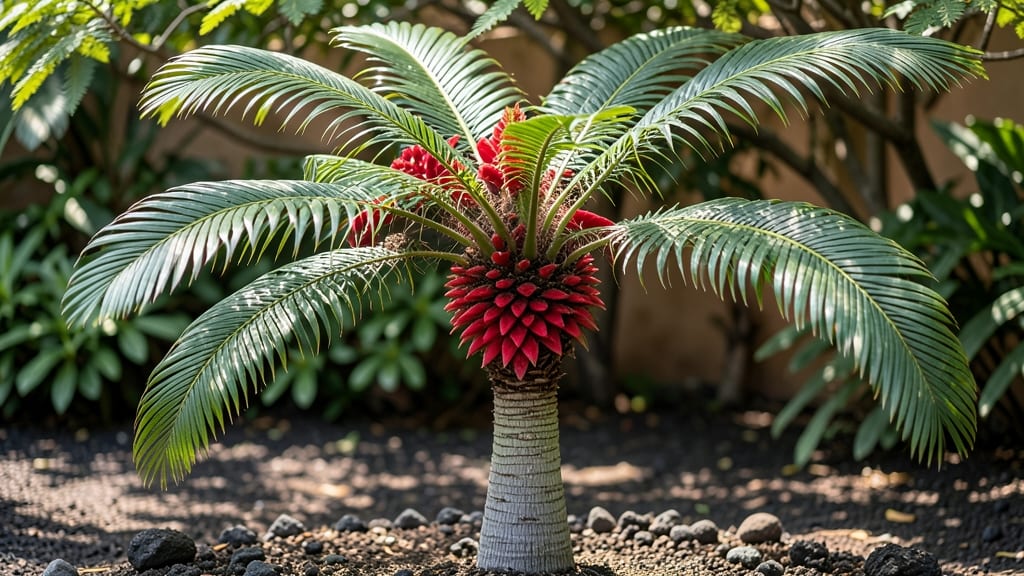
Curious about how tall does Christmas palm grow in your home? This stunning 🌿 can become a towering centerpiece—if you give it the right conditions.
Unlike its tropical cousins that stretch toward the sky, your indoor Christmas palm might max out at 6-10 feet, while outdoors in zones 9-11, it can reach a dramatic 15-20 feet with proper care.
The difference between indoor and outdoor growth isn’t just about space—it’s about sunlight, container size, and even your local climate. I’ve seen Christmas palms thrive as living room statements when pruned correctly, but left unchecked, they’ll grow into small trees that need serious ceiling clearance.
Whether you want a compact tabletop plant or a statement indoor tree, understanding these growth habits is the key to keeping it happy—and the right size for your space.
What’s even more surprising? This palm’s growth rate accelerates after its first few years. A 3-year-old plant might only be 3-5 feet tall, but by year five, it could shoot up another 5 feet if given the right care.
The secret lies in balancing partial shade, well-draining soil, and occasional pruning to encourage upward growth without overpowering your home.
Ready to unlock your Christmas palm’s full potential? I’ll walk you through exactly how to control its height—whether you’re dealing with a cozy apartment or a sprawling backyard. Let’s dive into the factors that make all the difference.

Christmas palm height guide: indoor growth limits vs outdoor potential
The Christmas palm (Adonidia merrillii) is a stunning tropical plant that can become a showstopper in your garden—but its maximum height varies dramatically depending on where you grow it.
In ideal outdoor conditions, this palm can reach 15–20 feet tall, while indoors, it typically stays between 6–12 feet due to space and light constraints. Understanding these differences helps you plan for its growth and manage its size effectively.
Outdoor Christmas palms thrive in warm climates like USDA Zones 9–11, where they grow rapidly with full sun exposure. Indoors, however, they’re limited by ceiling heights and artificial lighting, often growing 30–50% slower than their outdoor counterparts.
Let’s break down the key factors influencing their height and how to optimize growth for your specific environment.
One of the biggest differences between indoor and outdoor growth is light exposure. Outdoors, Christmas palms bask in 6+ hours of direct sunlight daily, fueling rapid vertical growth. Indoors, even a south-facing window may not provide enough intensity, slowing height gains.
To mimic outdoor conditions, place your palm near a grow light for 12–14 hours/day during winter months when natural light is scarce.
Another critical factor is container size. In pots, roots become root-bound quickly, limiting height potential. For indoor palms, choose a container that’s at least 12–18 inches wide and deep to accommodate root expansion.
If you’re growing outdoors, plant in well-draining soil with a 3-foot diameter hole to encourage deeper root systems and taller growth.
Temperature also plays a role. Christmas palms prefer 70–85°F and struggle below 50°F. Indoors, consistent heating can accelerate growth, while outdoor palms in cooler climates may grow 20% slower. Use a space heater near your indoor palm in winter or move it to a sunroom for warmth.
For those in USDA Zones 9–11, outdoor Christmas palms can reach their full 15–20 foot potential within 10–15 years with minimal care. In colder zones, treat it as a container plant and bring it indoors during winter.
With the right conditions, even indoor palms can hit 10 feet tall, making them a dramatic centerpiece for large rooms.
If you’re aiming for a compact Christmas palm, prioritize pruning and light control. Regularly trim brown fronds and overgrown branches to redirect energy toward bushier growth.
For faster height gains, focus on nutrient-rich soil and consistent watering—deep watering every 5–7 days keeps roots healthy and supports upward growth.
Remember, patience is key with Christmas palms. Their slow-to-moderate growth means it can take 3–5 years to see significant height changes. But with the right care, you’ll have a lush, tropical statement piece that elevates any space—indoors or out.
🌿
Christmas palm height guide: indoor growth limits vs outdoor potential
The Christmas palm (Adonidia merrillii) is a stunning tropical plant, but its mature height varies dramatically depending on where you grow it. In outdoor tropical climates, it can soar to 15–20 feet—taller than most basketball hoops!
But indoors, it typically stays between 6–10 feet due to limited space and controlled conditions. Let’s break down the key differences so you can set realistic expectations for your plant’s growth trajectory.
Outdoor Christmas palms thrive in USDA Zones 9–11, where they grow aggressively with full sun exposure and rich, well-draining soil. Their growth rate accelerates in these ideal conditions, reaching 10–15 feet in just 5–7 years.
Meanwhile, indoor palms grow slower—often only 1–2 feet per year—because they lack the same sunlight, space, and nutrients. Understanding these differences helps you plan for pruning or repotting before your plant outgrows its home.
| Factor | Indoor Growth | Outdoor Growth |
|---|---|---|
| Mature Height | 6–10 ft | 15–20 ft |
| Growth Rate | 1–2 ft/year | 3–5 ft/year |
| Sunlight Needs | Bright indirect light | Full sun to partial shade |
| Space Required | Large pots or containers | Wide garden beds or open areas |
| Key Limiting Factor | Container size & light | Climate & soil quality |
If you’re growing your Christmas palm indoors, its height is directly tied to the size of its container. A 15-gallon pot might keep it under 6 feet, while a 30-gallon container could push it toward 10 feet over time.
For outdoor palms, soil nutrients and water availability play a bigger role—well-amended soil with organic matter can boost growth by 20–30%. Always use a well-draining mix to prevent root rot, which stunts growth.
Another critical factor is light exposure. Indoor palms need bright, indirect light for at least 6 hours daily, ideally near an east-facing window. Without enough light, they’ll grow leggy and weak, reaching for sunlight but never achieving their full height potential.
Outdoors, they adapt better to partial shade, especially in hot climates where afternoon sun can scorch leaves. This flexibility makes them ideal for patios or shaded garden corners.
For fastest growth, fertilize your Christmas palm with a balanced palm fertilizer (6-6-6 or 8-3-9 NPK) every 2–3 months during the growing season (spring through summer). Avoid over-fertilizing, as excess salts can burn roots and slow height gains.
Prune dead fronds regularly to redirect energy into new growth—this keeps the plant healthy and encourages upward expansion. With the right care, even indoor palms can reach 8–10 feet in 5–7 years.
Remember, patience is key—Christmas palms grow slowly compared to other tropical plants. Whether you’re aiming for a tall indoor statement piece or a lush outdoor specimen, understanding these growth factors will help you nurture a thriving plant that meets your space and aesthetic goals. 🌿