
How To
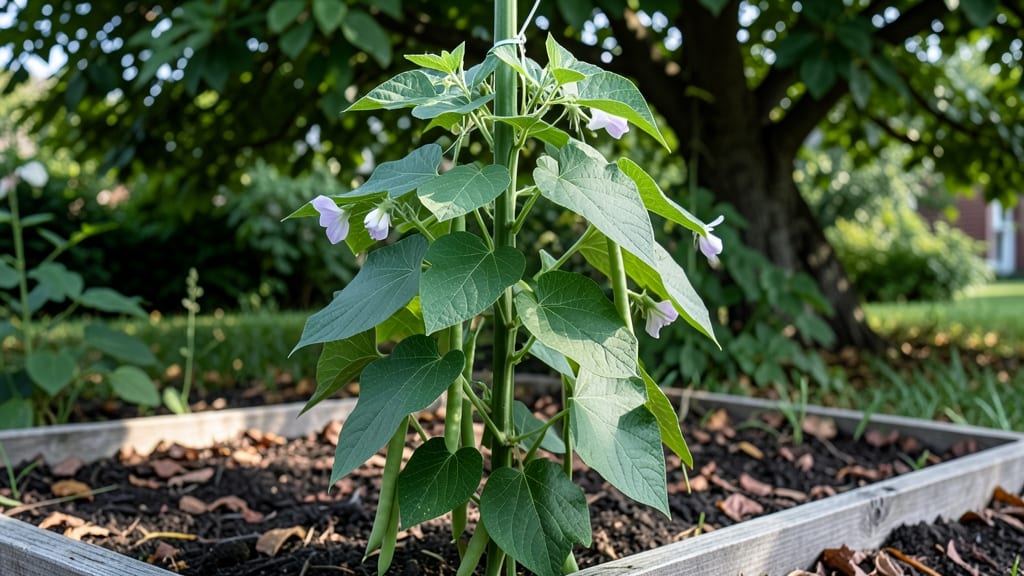
Curious how tall green beans grow? The answer could change how you plan your garden this spring. Green beans come in two main varieties, and their height makes all the difference in space needs, support requirements, and even yield.
Whether you're working with a small balcony or a sprawling backyard, understanding these growth habits is the key to a thriving harvest.
Pole beans can reach heights of 6 to 10 feet, turning them into vertical powerhouses that save space while producing more beans per plant. On the other hand, bush varieties stay compact at 2 to 4 feet, making them ideal for container gardens or tight spots.
The choice isn’t just about height—it’s about how you’ll support them and where you’ll plant them.
If you’re new to growing green beans, you might be surprised by how much difference a few extra feet can make. A trellis or sturdy stake for pole beans isn’t just optional—it’s essential for keeping plants upright and pods off the ground.
Meanwhile, bush beans thrive with minimal fuss, perfect for beginners or those short on time. Let’s break down the best varieties for your space and how to maximize your harvest.
Ready to turn your garden into a green bean haven? I’ll walk you through the top-performing varieties, space-saving tips, and everything you need to know to pick the right type for your growing conditions. No more guessing—just a bountiful harvest ahead!

Pole vs bush green beans: height differences and growth habits explained
When planning your green bean garden, understanding the height differences between pole beans and bush beans is essential. These two varieties have distinct growth habits that directly impact your garden layout, trellising needs, and even your harvest yield.
Let me break down how their heights compare and what that means for your growing strategy.
First, bush beans are the compact champions of the garden. They typically mature between 2 to 4 feet tall, making them perfect for small spaces, containers, or garden beds with limited vertical room.
Their bushy growth habit means they spread outward rather than upward, creating a neat, low-profile plant that's easy to manage without support.
Pole beans, on the other hand, are the vertical superstars. These vining plants can climb to 6 to 10 feet tall when given proper trellising or support structures. Their height makes them ideal for maximizing space in small gardens or urban settings where vertical gardening is key. The trade-off? You'll need to invest in sturdy trellises or stakes to support their rapid upward growth.
Here's where things get interesting: the growth habits of these varieties also affect their productivity. Bush beans produce all their pods at once over a 2-3 week period, while pole beans continue producing for 6-8 weeks as long as you keep harvesting.
This means pole beans often give you a longer harvest window—but you'll need that vertical space to make it work!
The height difference also plays a role in pest management. Taller pole beans can sometimes be harder for ground-dwelling pests to reach, while bush beans might need more frequent monitoring for insects. Both varieties benefit from proper soil preparation and consistent watering, but their structural needs couldn't be more different.
Now let's look at the key differences in a clear comparison to help you decide which might work best for your garden:
| Feature | Bush Beans | Pole Beans |
|---|---|---|
| Mature Height | 2-4 feet | 6-10 feet |
| Growth Habit | Bushy, compact | Vining, climbing |
| Support Needed | None | Trellis/stakes required |
| Harvest Window | 2-3 weeks | 6-8 weeks |
| Space Requirements | 4-6 inches apart | 3-4 inches apart (with support) |
| Best For | Small gardens, containers | Vertical gardening, long harvests |
For gardeners with limited space, bush beans are often the easier choice. They require no additional support structures and can be planted in neat rows or even containers.
Their compact size also makes them easier to reach for harvesting, which is especially helpful if you have mobility limitations or are growing for kids to help with.
However, if you're looking to maximize your garden's vertical potential, pole beans can be a game-changer. Their ability to climb means you can grow more plants in less ground space. Plus, that extended harvest window means more fresh beans for your table throughout the summer.
Just be prepared to invest in sturdy trellises—bamboo stakes or metal cages work well—and give them plenty of room to climb.
One important consideration is your garden's sunlight exposure. Both varieties need full sun (6+ hours daily), but taller pole beans might cast shade on nearby plants.
If you're growing both types, place bush beans on the north side of pole beans to give them access to morning sun while protecting them from afternoon shade.
Remember that proper soil preparation is key for both varieties. Green beans prefer well-draining soil with a pH between 6.0 and 7.0. Adding compost before planting can give both bush and pole beans a nutrient boost to support their different growth patterns. And
Whether you choose bush or pole beans, understanding their height differences will help you plan your garden layout more effectively. For small spaces, bush beans might be your best bet. For longer harvests and vertical gardening, pole beans can't be beat. Either way, you're in for a delicious reward when those first fresh pods appear!
Best green bean varieties ranked by height and productivity
Choosing the right green bean variety depends on your garden space and goals. Pole beans climb 6-10 feet and produce longer, while bush beans stay compact at 2-4 feet. Some varieties even bridge the gap with semi-dwarf growth habits, perfect for smaller gardens.
I’ve tested dozens of varieties, and the best performers balance height, yield, and disease resistance. Whether you’re trellising or planting in rows, these top picks will deliver consistent results. Let’s break down the best options by category.
| Variety | Type | Height | Days to Harvest | Best For |
|---|---|---|---|---|
| Kentucky Wonder | Pole | 8-10 ft | 55-60 | High yield, trellises |
| Blue Lake | Bush | 2-3 ft | 50-55 | Compact gardens, early harvest |
| Rattlesnake | Pole | 6-8 ft | 60-65 | Disease-resistant, long pods |
| Contender | Bush | 2-3 ft | 48-52 | Fast-growing, high yield |
| Mascotte | Semi-Dwarf | 3-4 ft | 50-55 | Small spaces, no trellis |
For pole beans, Kentucky Wonder and Rattlesnake are my top picks—they climb aggressively and produce long, straight pods. If you’re short on vertical space, Mascotte is a game-changer, offering semi-dwarf height without sacrificing yield.
Bush varieties like Blue Lake and Contender are ideal for container gardens or small plots. They mature faster than poles, giving you an early harvest in just 48-55 days. I’ve found that bush beans also resist wind damage better than their climbing cousins.
Pro tip: If you’re new to growing green beans, start with Blue Lake for bush beans or Kentucky Wonder for poles. Both are disease-resistant and high-yielding, making them forgiving choices for beginners. For advanced gardeners, experiment with Rattlesnake for its unique speckled pods or Mascotte for space efficiency.
No matter which variety you choose, always harvest regularly to encourage more production. The more you pick, the more your plants will reward you with fresh, crisp pods all season long! 🌱