
How To
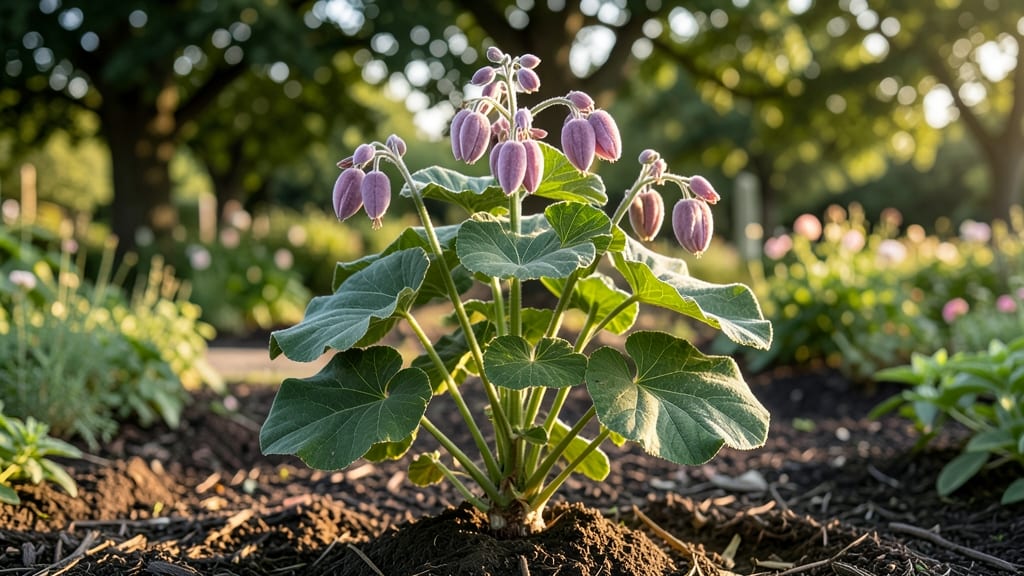
Curious about how tall does marshmallow grow before it becomes a garden giant? This fluffy-stemmed perennial—Althaea officinalis—can surprise you with its size, reaching anywhere from 2 to 5 feet depending on the variety and growing conditions.
Whether you're dreaming of a delicate cottage garden or a bold statement plant, understanding its growth habits is key to planning your space wisely.
In its first year, marshmallow stays modest, growing just 1 to 2 feet tall, making it perfect for small gardens or containers. But by its second year, it can shoot up to 3 to 5 feet, especially in ideal conditions like full sun and well-draining soil.
That’s why many gardeners plant it in the spring—giving it time to establish before its rapid growth spurt.
If you’re worried about overcrowding, don’t be! With the right spacing (18 to 24 inches apart) and occasional pruning, you can keep its height in check. The key is choosing the right variety—some stay compact, while others tower like a small shrub.
Let’s explore how to pick the perfect marshmallow for your garden and keep it thriving.
From dwarf varieties that fit snugly in pots to towering giants that add drama to borders, marshmallow offers versatility. Whether you’re in USDA Zone 6a or beyond, this hardy herb can be a star in your landscape—if you know how to manage its growth.
Ready to discover the best options for your space?

Marshmallow plant height by variety: from dwarf to towering giants
When you picture a marshmallow plant (Althaea officinalis), you might imagine a towering, fluffy-stemmed giant—especially if you’ve seen wild varieties in meadows.
But the truth is, this perennial herb comes in a stunning range of heights, from compact varieties perfect for containers to 5-foot-tall giants that need space to sprawl. The height depends entirely on the variety and growing conditions, so let’s break it down for your garden planning.
First-year plants typically stay modest, reaching just 1-2 feet tall, giving you time to assess their growth habits. By year two, though, many varieties shoot up dramatically—some reaching 4-5 feet—while others remain more manageable.
Understanding these differences will help you choose the right marshmallow variety for your space, whether it’s a small balcony or a sprawling backyard.
Here’s the key: dwarf varieties rarely exceed 3 feet, while standard and giant types can dominate your garden bed if left unchecked. The good news? With the right pruning techniques and spacing, even the tallest marshmallows can be kept in check.
Let’s explore the height ranges so you can pick the perfect fit for your garden.
🌿 Visual Guide: Marshmallow Height Comparison
| Variety | Height Range | Growth Habit | Best For |
|---|---|---|---|
| Dwarf Varieties (e.g., 'Nana') | 2–3 ft | Compact, bushy | Containers, small gardens |
| Standard Varieties (e.g., 'Alba') | 3–5 ft | Upright, spreading | Backyard beds, borders |
| Giant Varieties (wild types) | 4–6 ft | Tall, fluffy stems | Wildflower gardens, meadows |
| Semi-Dwarf (e.g., 'Rosea') | 2.5–4 ft | Moderate spread | Patios, mixed borders |
🌱 Note: Heights vary by climate and soil conditions.
Now that you’ve seen the range, let’s talk about what influences these heights. Sunlight plays a huge role—marshmallow plants thrive in full sun (6+ hours daily), which encourages taller growth. In partial shade, they’ll stay shorter but may produce fewer flowers.
Meanwhile, soil fertility affects both height and leaf size: rich, well-draining soil fuels rapid growth, while poor soil can stunt plants.
Another factor is pruning. If you’re growing a standard or giant variety and want to keep it under control, regular pruning in early spring (before new growth) can reduce height by up to 30%.
I’ve found that pinching back the tips of young plants encourages bushier, more compact growth—perfect for container gardening. Just be sure to leave enough foliage for photosynthesis!
For small gardens or container growing, dwarf varieties like 'Nana' are my top recommendation. They max out at 3 feet and thrive in 12-inch pots with regular watering.
Meanwhile, the wild-type marshmallows can reach 6 feet in ideal conditions, making them better suited for larger spaces or naturalized areas where they can spread freely.
If you’re planning a medicinal garden, remember that taller varieties often produce more leaves for harvesting—but they also require more space. For example, 'Alba' (a standard variety) can yield 20% more leaves than a dwarf when given ample room.
That said, even tall varieties can be pruned back to encourage lateral growth, giving you a bushier plant with more harvestable foliage.
One common misconception is that all marshmallow plants need to be giants. In reality, the compact varieties are just as rewarding—they’re easier to maintain, less likely to flop over in wind, and perfect for urban gardeners.
Plus, their velvety leaves and delicate pink flowers add charm to any space, regardless of size.
Before you plant, check your USDA hardiness zone. Marshmallows are hardy in zones 4–9, but their height can vary slightly based on your climate. In cooler zones, growth may be slower, resulting in shorter plants, while warmer zones can push them toward their maximum height.
Always plant in well-draining soil to prevent root rot, which can weaken stems and reduce height.
🌿 Whether you’re dreaming of a fluffy 5-foot giant or a neat 2-foot container plant, marshmallows offer something for every garden. The key is choosing the right variety for your space and giving it the care it needs to thrive—without taking over your yard!
Next, we’ll dive into pruning tips to keep even the tallest varieties in check.
Marshmallow plant height by variety: from dwarf to towering giants
When planning your garden, knowing how tall your marshmallow plant (Althaea officinalis) will grow is essential—especially since some varieties can reach 5 feet or more! The height depends entirely on the cultivar, with dwarf varieties staying under 2 feet and tall varieties stretching toward 6 feet.
Most standard types mature between 3-5 feet, making them perfect for cottage gardens or as a backdrop for shorter perennials.
First-year growth is modest, with seedlings reaching only 1-2 feet by fall. However, by their second year, marshmallow plants often double in height, reaching their full potential. This rapid vertical growth is why spacing is critical—planting too close can lead to crowding and disease due to poor airflow.
Always follow 18-24 inch spacing guidelines for healthy development.
If you're growing marshmallow for medicinal leaves, taller varieties like the standard or giant types yield more harvestable foliage. However, their height means they’ll need staking or support in windy areas to prevent flopping.
For ornamental use, dwarf varieties are ideal—they add texture without overwhelming smaller spaces like patios or window boxes.
One surprising fact about marshmallow plants is their root system. While the stems may tower, the roots spread only 1-2 feet deep but can extend 3-4 feet wide.
This makes them aggressive spreaders in loose soil, so container growing is a smart choice if you want to limit their reach. Just ensure your pots are at least 12 inches deep to accommodate their roots.
For gardeners in USDA Zones 4-8, marshmallow plants thrive as perennials, returning year after year with increasing height. In colder zones (Zone 3), treat them as biennials—they’ll die back in winter but resprout from seed the following spring.
This means their height growth resets annually, keeping them more manageable in smaller climates.
To maximize your marshmallow plant’s potential, pair tall varieties with low-growing companions like lavender or thyme. This creates a layered look while preventing the marshmallow from overshadowing everything.
And if you’re worried about height, remember: pruning in early spring can encourage bushier, shorter growth—more on that in the next section! 🌱