
How To
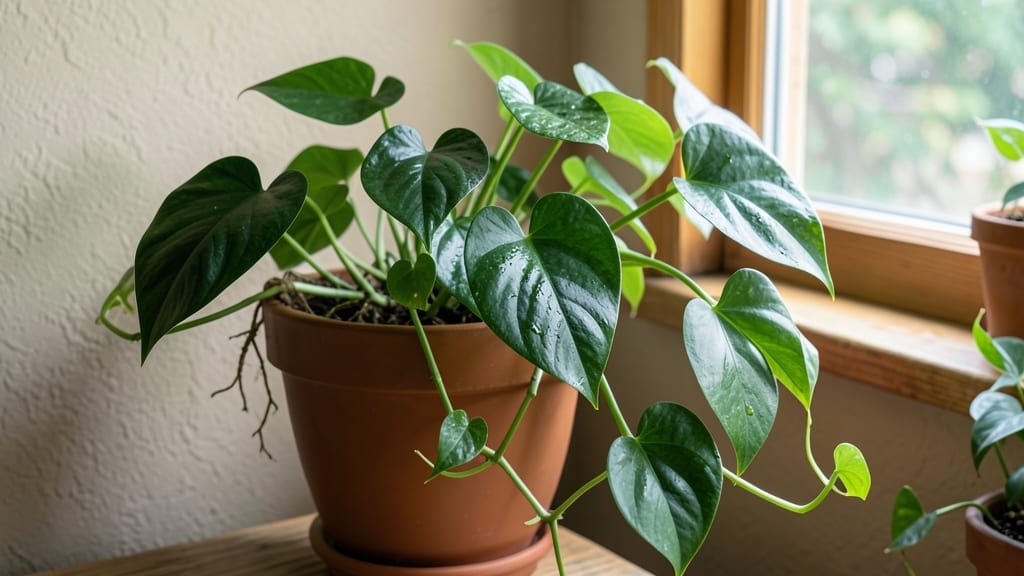
Philodendron height by type: trailing vs climbing growth differences
Philodendrons are famous for their dramatic growth habits, but not all varieties grow the same way. The most common types—trailing philodendrons and climbing philodendrons—have wildly different mature heights and spread patterns. Understanding these differences helps you choose the right variety for your space and manage its growth effectively.
Trailing philodendrons, like the beloved Heartleaf (Philodendron hederaceum), grow horizontally, cascading over shelves or hanging baskets. These varieties typically reach 3 to 6 feet in length but stay relatively low to the ground.
Climbing types, such as Xanadu or Brasil, send out aerial roots to latch onto supports like moss poles or trellises, shooting upward toward 10 to 20 feet or more in ideal conditions.
Here’s the key difference: trailing philodendrons spread outward, while climbing philodendrons grow vertically. This distinction isn’t just about aesthetics—it directly impacts how you’ll care for your plant, from pruning to support structures. Let’s break down the height expectations for popular varieties and what influences their growth.
Most beginners underestimate how tall philodendrons can grow, especially in outdoor or high-humidity indoor environments. A Heartleaf philodendron left unchecked in a humid bathroom might stretch 8 feet across a shelf, while a Philodendron Brasil climbing outdoors can reach 15 feet or taller with proper support.
These plants are fast growers, often adding 1 to 2 feet per year under optimal conditions.
Outdoor philodendrons tend to grow significantly taller than indoor varieties due to better air circulation, humidity, and natural light. For example, a Philodendron bipinnatifidum (Tree Philodendron) can reach 20 feet outdoors but may only grow 6 to 10 feet indoors without adequate support.
Always consider your growing environment when estimating height potential.
Light exposure plays a critical role in height. Low-light conditions slow growth, resulting in shorter, leggier stems. In contrast, bright indirect light encourages faster, bushier growth. If your philodendron is stretching too tall with sparse leaves, it’s likely reaching for light.
Adjusting its position near an east or north-facing window can help balance its height and foliage density.
Soil quality and pot size also affect height. Root-bound philodendrons grow taller as they search for nutrients, while well-potted plants with fresh soil tend to grow wider and fuller. Repotting every 1 to 2 years into a slightly larger container encourages healthier, more controlled growth patterns.
| Variety | Growth Type | Mature Height (Indoors) | Mature Spread (Trailing) | Outdoor Height Potential | Best For | |||||||||||||||||||||||||||||
|---|---|---|---|---|---|---|---|---|---|---|---|---|---|---|---|---|---|---|---|---|---|---|---|---|---|---|---|---|---|---|---|---|---|---|
| Heartleaf (Philodendron hederaceum) | Trailing | 3–6 ft | 6–10 ft | 10–15 ft | Hanging baskets, shelves | |||||||||||||||||||||||||||||
| Brasil (Philodendron erubescens) | Climbing | 6–10 ft | N/A | 15–20 ft | Moss poles, trellises | |||||||||||||||||||||||||||||
| Xanadu (Philodendron bipinnatifidum) | Climbing | 6–10 ft | N/A | 20+ ft | Outdoor gardens, large pots | |||||||||||||||||||||||||||||
| Hope (Philodendron micans) | Trailing/Climbing | 3–5 ft | 4–6 ft | 10–12 ft | Indoor shelves, small spaces | |||||||||||||||||||||||||||||
| Selloum (Philodendron selloum) | Climbing | 10–15 ft | N/A |
Philodendron height by type: trailing vs climbing growth differencesPhilodendrons aren’t one-size-fits-all when it comes to height. Some varieties sprawl like vines across shelves, while others climb like jungle explorers toward the sky. The Heartleaf philodendron (Philodendron hederaceum), for example, typically reaches 3-6 feet indoors when trailing, but with the right support, it can stretch 10 feet or more. Meanwhile, climbing types like Philodendron bipinnatifidum (aka "tree philodendron") can tower 15-20 feet outdoors or even higher if given a sturdy trellis. Your philodendron’s ultimate height depends on two key factors: its species type and whether it’s indoor or outdoor. Indoor plants grow slower due to limited light and space, while outdoor philodendrons in warm climates (USDA zones 9-11) can become giant vines with massive leaves. Even compact varieties like Philodendron 'Hope' can surprise you—expect 3-5 feet of lush foliage if given proper care. Here’s how the most popular types compare in height and growth habits:
If you’re growing philodendrons indoors, expect their height to be 30-50% shorter than outdoor claims. Limited light and smaller pots restrict root growth, which directly impacts how tall they’ll climb or trail. For example, a Heartleaf philodendron might only reach 4 feet indoors without a moss pole, but with proper support and bright indirect light, it can easily double that height. Outdoor philodendrons, however, are a different story. In warm, humid climates like Florida or California, climbing varieties can grow 2-3 feet per year if given space and nutrients. The tree philodendron, in particular, is known to outgrow its welcome in gardens, sometimes reaching 20 feet or more with massive, lobed leaves that can span 2 feet wide. Even trailing types like Philodendron micans (velvet leaf) can sprawl 10 feet across when planted in the ground. Don’t let these height ranges intimidate you—most philodendrons grow at a manageable pace if you prune regularly and provide the right conditions. The key is understanding your variety’s natural growth habit and adjusting your care routine accordingly. For example, pruning leggy vines in spring encourages bushier growth, while adding a moss pole gives climbing types the support they crave to reach their full potential. 🌿 |