
How To
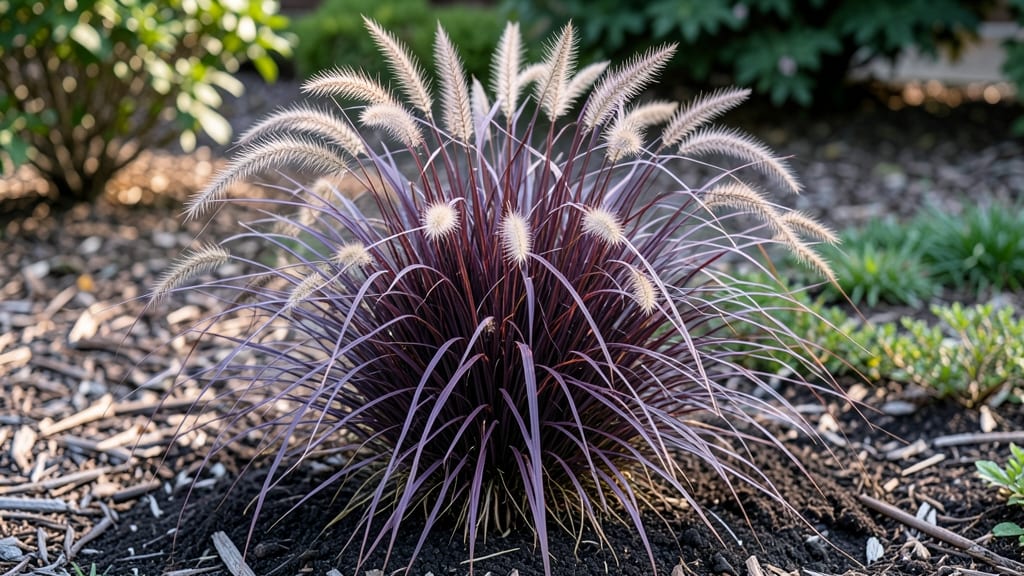
Purple fountain grass height by popular variety: mature size comparison
When planning your garden, knowing the mature height of purple fountain grass is essential. This ornamental grass grows in clumping habits rather than spreading, making it ideal for borders, containers, and focal points.
The height range varies significantly by variety, so let’s break down the most popular types to help you choose the perfect fit for your space.
Standard varieties like Pennisetum alopecuroides typically reach 3 to 5 feet tall at maturity. These bold plants thrive in full sun and add dramatic vertical interest to any landscape.
However, if you’re working with limited space, dwarf varieties can stay under 2 feet tall, making them perfect for small gardens or containers.
Here’s a quick comparison of the most sought-after purple fountain grass varieties and their mature heights:
| Variety | Mature Height | Spread | Growth Habit | Best For |
|---|---|---|---|---|
| 'Little Bunny' | 1–2 ft | 1–2 ft | Clumping | Containers, small gardens |
| 'Dwarf Purple' | 1.5–2.5 ft | 1.5–2 ft | Clumping | Borders, mixed beds |
| 'Karley Rose' | 2–3 ft | 2–3 ft | Clumping | Medium gardens, focal points |
| Standard (e.g., 'Hameln') | 3–5 ft | 2–3 ft | Clumping | Large landscapes, backdrops |
For instance, 'Little Bunny' is perfect for container gardening or as a low border plant, while the standard varieties like 'Hameln' make stunning backdrop plants in larger gardens. Always consider your garden layout and the mature spread when selecting a variety to avoid overcrowding.
One key factor influencing height is sunlight exposure. Purple fountain grass thrives in full sun (6+ hours daily), which encourages taller, fuller growth. In partial shade, expect slightly shorter plants with less vibrant foliage.
If you’re growing in containers, choose dwarf varieties to prevent root-bound stress and stunted growth.
Another consideration is soil quality. Well-draining, fertile soil promotes healthier growth, while poor soil can limit height potential. Amend your soil with compost before planting to give your purple fountain grass the best start. Regular mulching also helps retain moisture and nutrients, supporting optimal growth.
If you’re planning to plant multiple varieties, space them according to their mature spread. For example, place 'Karley Rose' about 2–3 feet apart to allow airflow and prevent disease. Meanwhile, standard varieties may need 3–4 feet of space to reach their full potential without competing for nutrients.
For gardeners in USDA Zones 5–9, purple fountain grass is perennial, meaning it will return year after year with consistent height and color. In colder zones, it may die back in winter but will regrow in spring.
This makes it a low-maintenance choice for adding year-round structure and color to your garden.
When shopping for purple fountain grass, always check the tag or plant description for height details. Nurseries sometimes list mature height ranges that can vary slightly, so it’s worth asking for clarification if you’re unsure.
With the right variety and care, your purple fountain grass will become a showstopping feature in your outdoor space!
Purple fountain grass height by popular variety: mature size comparison
Purple fountain grass (Pennisetum alopecuroides) is a stunning ornamental grass with vibrant purple plumes that sway gracefully in the breeze. But before you plant, knowing its mature height is crucial for spacing and design.
Most varieties reach 3 to 5 feet tall, but some dwarf cultivars stay under 2 feet—perfect for containers or small gardens.
The standard purple fountain grass typically grows 3 to 4 feet tall with a 2 to 3-foot spread, making it ideal for borders or mixed beds. However, newer cultivars like 'Little Bunny' or 'Dwarf Purple' stay compact, reaching only 1 to 2 feet tall while still delivering bold color.
For dramatic impact, 'Karley Rose' can tower up to 5 feet tall with a 3-foot spread.
Purple Fountain Grass Height Comparison
| Variety | Mature Height | Spread | Growth Habit | Best For |
|---|---|---|---|---|
| Standard Purple Fountain | 3–4 ft | 2–3 ft | Clumping | Borders, mixed beds |
| 'Little Bunny' | 1–2 ft | 1–2 ft | Clumping | Containers, small gardens |
| 'Dwarf Purple' | 1.5–2.5 ft | 1.5–2 ft | Clumping | Rock gardens, edging |
| 'Karley Rose' | 4–5 ft | 3 ft | Clumping | Statement plant, large landscapes |
All purple fountain grass varieties grow in clumping habits, not spreading like bamboo, so they’re easier to contain. However, their height potential depends on sunlight, soil fertility, and pruning.
In full sun, they’ll reach their maximum height, while partial shade may stunt growth slightly. For container gardening, choose dwarf varieties to prevent overcrowding.
If you’re planning a garden border, space standard varieties 2 to 3 feet apart to allow airflow and prevent disease. For container planting, a 12- to 15-inch pot works well for dwarf varieties, while larger containers (18+ inches) suit taller types.
Always use well-draining soil to avoid root rot, which can limit growth.
Remember, purple fountain grass adds year-round interest with its purple plumes in summer and tan seed heads in winter. Whether you choose a compact cultivar for patios or a tall variety for drama, its height will enhance your garden’s vertical appeal—just plan accordingly!