
How To
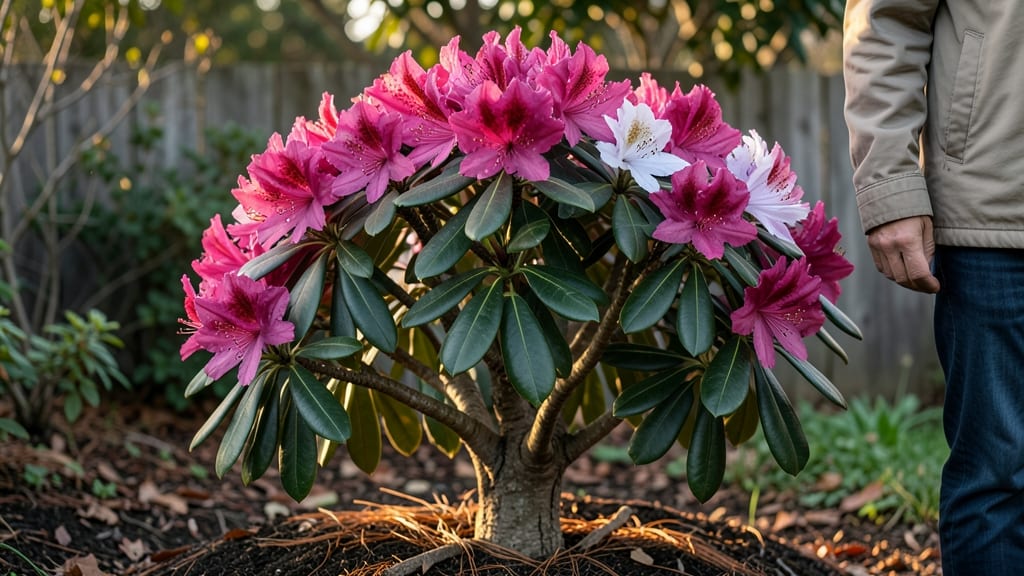
If you’ve ever wondered how tall does rhododendron grow before committing to planting one, you’re not alone—this shrub’s height can vary wildly from a compact border plant to a towering garden statement piece.
The right choice depends on your space and vision, whether you’re dreaming of a fast-growing backdrop or a low-maintenance ground cover.
Rhododendrons like 🌸 thrive in USDA Zone 6a and beyond, but their mature height can range from just 3 feet to over 20 feet, making variety selection the key to success.
Some stay small enough for container gardens, while others become small trees that cast shade for decades—so knowing their growth potential upfront saves headaches later.
What’s even more exciting? Some rhododendron varieties can double in height within 5 years with the right care, turning a modest spring purchase into a garden centerpiece. The secret lies in soil, sunlight, and pruning—factors we’ll break down to help you pick the perfect size for your yard.
Ready to transform your garden? Let’s explore the fastest-growing types, how to control their height, and why some rhododendrons outpace others—so you can plant with confidence and watch them flourish.

Rhododendron height by variety: compact to towering options
Choosing the right rhododendron for your garden starts with understanding their mature height range. These shrubs can vary dramatically—from dwarf varieties under 3 feet to towering giants over 20 feet tall.
The variety you pick will determine whether it thrives as a border plant or a backyard focal point. Let’s explore the most popular types and their ideal spacing needs.
For small gardens or foundation plantings, dwarf rhododendrons like Rhododendron 'PJM' or 'Alice' stay between 3 to 6 feet tall. These compact beauties bloom reliably with minimal space requirements, making them perfect for container gardening or tight landscapes. Their slow growth also means less frequent pruning.
If you’re aiming for a mid-sized shrub, semi-dwarf varieties like Rhododendron 'Catawbiense' or 'Nova Zembla' reach 6 to 12 feet at maturity. These work well as privacy screens or backdrop plants in mixed borders.
Their moderate growth rate means they’ll fill out your garden in 5 to 10 years.
For dramatic impact, standard rhododendrons like Rhododendron maximum or 'Roseum Elegans' can soar to 10 to 20 feet tall. These are the statement-makers of the garden, often used as specimen plants or in woodland settings.
Their height requires careful placement—think underneath mature trees or along large property lines.
Here’s how their heights compare to everyday objects for perspective: A 6-foot rhododendron reaches the height of a standard door, while a 15-foot variety rivals a two-story building.
This range means you can tailor your choice to your garden’s scale—whether you’re working with a balcony planter or a half-acre landscape.
Pro Tip: Always check the mature height on the plant tag or nursery label. Some varieties may grow 20% taller in ideal conditions, so leave extra space for their width, which often equals their height.
Rhododendron Height Comparison
| Variety | Mature Height | Ideal Spacing | Growth Rate | Best For |
|---|---|---|---|---|
| Dwarf (e.g., 'PJM', 'Alice') | 3–6 ft | 3–5 ft apart | Slow | Borders, containers |
| Semi-Dwarf (e.g., 'Catawbiense', 'Nova Zembla') | 6–12 ft | 6–8 ft apart | Moderate | Privacy screens, backdrops |
| Standard (e.g., 'maximum', 'Roseum Elegans') | 10–20 ft | 10–15 ft apart | Fast | Specimen plants, woodland gardens |
Note: Heights vary by growing conditions—rich, acidic soil and partial shade maximize potential.
When selecting a rhododendron, consider not just its height but also its width and growth habit. Some varieties spread wider than they grow tall, while others maintain a compact, rounded shape.
For example, Rhododendron 'Gitano' stays under 3 feet tall but can spread 4 feet wide, making it ideal for ground cover.
Another key factor is sunlight exposure. While all rhododendrons prefer partial shade, taller varieties often tolerate more morning sun than their dwarf counterparts.
If your garden has limited shade, opt for sun-tolerant cultivars like Rhododendron 'Loderi', which can handle up to 4 hours of direct sun.
For urban gardens with air pollution or compacted soil, dwarf varieties thrive better due to their lower nutrient demands. Meanwhile, larger rhododendrons need well-draining, acidic soil (pH 4.5–6.0) and regular mulching to protect their shallow roots.
If your soil isn’t acidic, amend it with peat moss or sulfur
Fast-growing rhododendrons that double in height in 5 years
If you're eager to see your rhododendron grow quickly, some varieties can double in height within just 5 years under ideal conditions. The Rhododendron catawbiense and Rhododendron maximum are among the fastest growers, reaching 6-12 feet in that timeframe with proper care.
These varieties thrive when planted in acidic, well-draining soil and receive morning sunlight with afternoon shade.
To maximize growth, focus on three key factors: soil quality, watering consistency, and pruning techniques. Amending your soil with peat moss or compost ensures nutrients are readily available, while deep watering 1-2 times per week keeps roots hydrated.
Avoid overwatering, as soggy soil can stunt growth and invite root rot.
Here’s what you can expect from fast-growing varieties in their first five years:
- Year 1: 1-2 feet – Focus on establishing roots with regular watering.
- Year 2: 2-4 feet – Prune lightly to encourage bushier growth.
- Year 3: 4-6 feet – Increase fertilizer to support rapid height gain.
- Year 4: 8-10 feet – Monitor for pests; treat early to avoid stunted growth.
- Year 5: 10-12 feet – Prune to shape and maintain structural integrity.
One of the quickest ways to boost growth is by planting in spring, when temperatures are mild and rainfall is consistent. If you’re in USDA Zones 6-8, aim to plant between April and May to give your rhododendron a head start.
For faster results, consider container-grown plants, which often establish quicker than bare-root varieties.
Watch for signs your rhododendron is thriving, like vibrant new leaves and steady height increases each year. If growth slows, check for yellowing leaves (a sign of overwatering or poor drainage) or pale foliage (indicating nutrient deficiency).
Adjust your care routine accordingly to keep your plant on track for rapid growth.
For the fastest results, pair your rhododendron with companion plants like azaleas or ferns, which share similar care needs and create a thriving, low-maintenance garden bed.
With the right variety and consistent care, your rhododendron could easily double in height within five years, becoming a stunning focal point in your landscape.