
How To
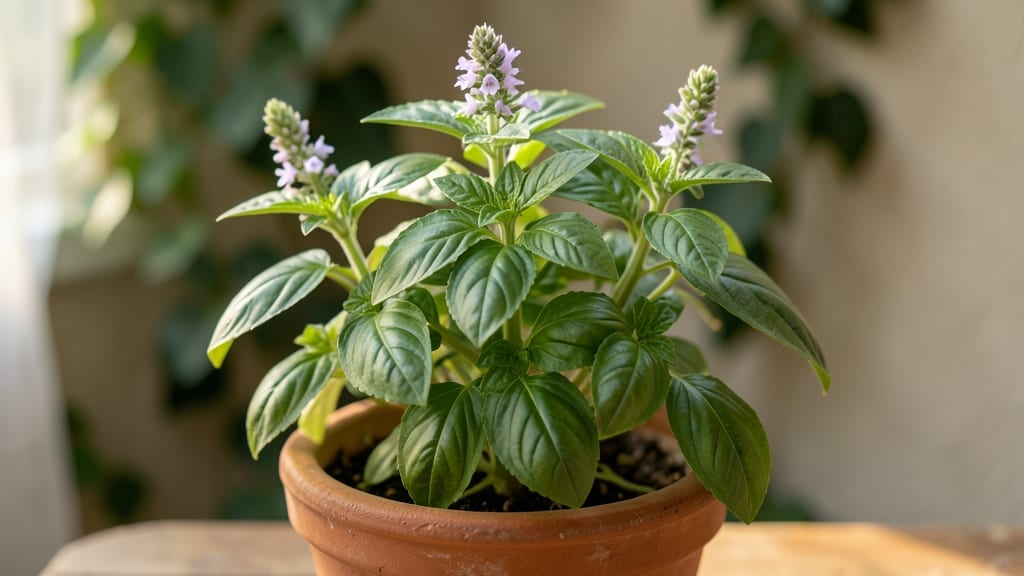
Sweet basil height by variety: compact vs. towering growth habits
Sweet basil isn’t one-size-fits-all when it comes to height. The variety you choose determines whether your plant stays compact or reaches towering proportions.
Most sweet basil varieties mature between 12 to 24 inches, but some dwarf types stay as short as 8 inches, while others can stretch toward 3 feet if left unchecked. Understanding these differences helps you plan spacing, pruning, and even container sizes for optimal growth.
For example, Genovese basil, the classic Italian variety, typically grows 18 to 24 inches tall with a bushy, upright habit. It’s perfect for in-ground gardens but can get leggy in containers if not pruned.
On the other hand, Spicy Globe basil stays shorter—around 12 to 18 inchesornamental varieties like Purple Ruffles follow similar height ranges but add visual flair with their purple-tinged leaves.
Here’s how growth habits break down by type: bushy varieties like Sweet Basil Bush spread wider, while upright types like Genovese grow taller. The key to managing height lies in pruning techniques.
Regular pinching of the top leaves encourages bushier growth and prevents the plant from becoming too leggy. Without pruning, even compact varieties can stretch 50% taller than their ideal height.
| Variety | Height Range | Growth Habit | Pruning Tip |
|---|---|---|---|
| Genovese | 18–24 inches | Upright, tall | Pinch tops at 6 inches |
| Spicy Globe | 12–18 inches | Bushy, compact | Trim sides for density |
| Purple Ruffles | 12–18 inches | Bushy, decorative | Remove flowers promptly |
| Dwarf Sweet Basil | 8–12 inches | Extra compact | Minimal pruning needed |
| Sweet Basil Bush | 12–20 inches | Wide-spreading | Thin crowded stems |
If you’re growing sweet basil in containers, choose dwarf or semi-dwarf varieties to avoid overcrowding. A 5-gallon pot works well for most varieties, but taller types like Genovese may need 7-gallon containers to accommodate their roots.
In-ground planting gives basil more room to spread, but even there, spacing 12–18 inches apart prevents competition for nutrients and sunlight.
One common mistake is assuming all basil grows the same height. Neglected plants can shoot up to 3 feet tall with long, weak stems—ideal for pest infestations but terrible for flavor.
To keep your basil at its optimal height, harvest leaves regularly (especially the top sets) to encourage lateral branching. This not only controls height but also boosts leaf production, giving you more harvests throughout the season.
For ornamental varieties like Purple Ruffles, height control is equally important. These types are prized for their colorful foliage, but if they get too tall, they lose their compact appeal. Use support cages or stakes if needed, but avoid heavy pruning that could strip away their visual charm.
The goal is to maintain a balanced shape while keeping the plant within its ideal height range.
Another factor influencing height is sunlight exposure. Basil thrives in full sun (6+ hours daily), but too little sunlight leads to stretched, leggy growth. If your basil starts reaching for the sky, it’s a sign it needs more light.
Conversely, overcrowding in the garden or pot can stunt growth, keeping plants shorter than expected. Always ensure your basil has adequate spacing and nutrient-rich soil to reach its full potential height.
Pro tip: If you’re growing basil for culinary use, prioritize varieties like Genovese or Sweet Basil Bush—they offer the best flavor and are easy to manage. For decorative purposes, Purple Ruffles or other ornamental types add beauty to your garden while staying within a manageable height range. No matter the variety, consistent care is the key to achieving the ideal height for your sweet basil.
Sweet basil’s height isn’t set in stone—it’s heavily influenced by whether you plant it in containers or directly in the ground. Container-grown basil often stays shorter (12–18 inches) due to root restrictions, while in-ground basil can reach 18–24 inches with ample space to spread. The difference comes down to root depth, sunlight exposure, and how you manage pruning. In containers, basil’s growth is naturally stunted unless you use large pots (at least 12 inches deep). Shallow pots or crowded roots force the plant to focus on leaf production over height, leading to bushier but shorter plants. Meanwhile, in-ground basil stretches taller when given room to explore, especially in loose, nutrient-rich soil. 🌱 Pro Tip: Use self-watering containers to prevent height stunting from inconsistent moisture. Sunlight plays a surprising role in height control. Basil grown in partial shade (e.g., 3–4 hours of sun) will stay compact (10–12 inches) but produce fewer leaves. Conversely, full-sun conditions (6+ hours) encourage taller growth, but you’ll need to prune regularly to avoid leggy stems. If your basil starts stretching toward light, it’s a sign it needs more shade or pruning. Soil quality also affects height—poor drainage or compacted soil can stunt growth to 8–12 inches, while well-draining, compost-rich soil supports taller, healthier plants. Amend your soil with organic matter (like compost or worm castings) before planting to give roots the space they need to thrive. Spacing matters too! In-ground basil needs 12–18 inches between plants to prevent competition, which can reduce height by up to 30%. In containers, keep only 1–2 plants per 12-inch pot to avoid overcrowding. Overcrowded basil will focus on survival over growth, resulting in shorter, weaker stems. Finally, harvesting habits influence height. Regularly pinching back the tips of stems encourages bushier growth and prevents the plant from growing too tall. If you ignore pruning, your basil may bolt (flower) prematurely, redirecting energy upward and causing it to reach 30+ inches—far taller than ideal for most gardeners.Container vs. ground planting: how growing conditions affect sweet basil height
Sweet Basil Height Comparison
Factor
Container Planting
Ground Planting
Mature Height
12–18 inches
18–24 inches
Root Space
Limited (pots ≤12" deep)
Unrestricted (spreads 12–18" wide)
Sunlight Needs
6+ hours (direct or bright indirect)
6+ hours (full sun preferred)
Pruning Impact
Critical (prevents legginess)
Moderate (encourages bushiness)
Common Issue
Overcrowding in small pots
Flopping without support