
How To
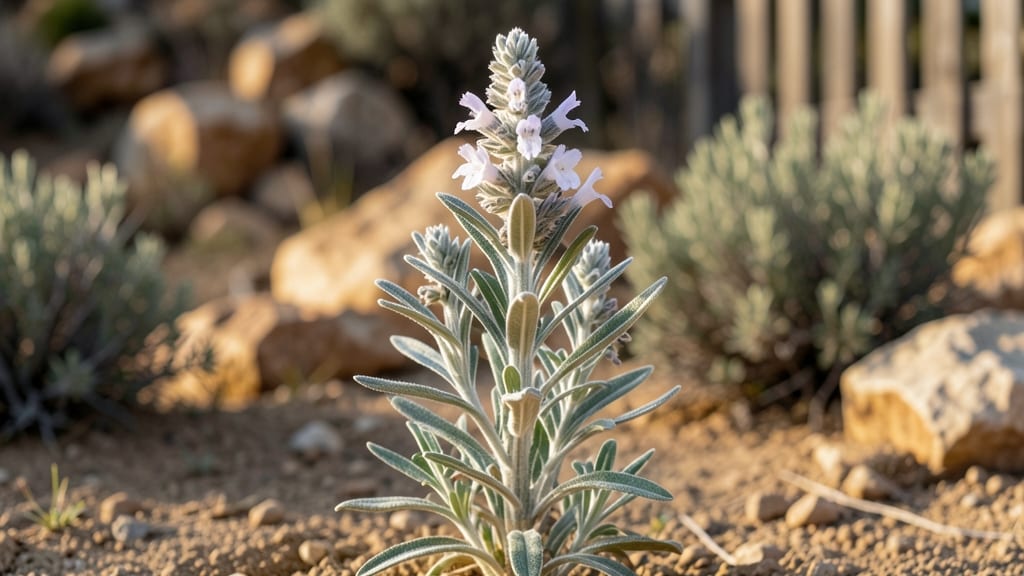
If you’ve ever wondered how tall does white sage grow—whether for smudging ceremonies or simply admiring its silvery-green foliage—you’re not alone.
This hardy herb can stretch from just 1 foot in a container to towering 6 feet in its natural desert habitat, making its height one of its most fascinating traits.
The key to unlocking white sage’s full potential lies in understanding its environment. In the wild, where it thrives in USDA Zone 6 and beyond, this plant often reaches its maximum height, forming dense shrubs that dominate the landscape.
But in a cultivated garden, with proper spacing and occasional pruning, you can easily shape it to fit your space—whether you prefer a low, bushy look or a taller, more traditional stature.
What’s even more surprising is how quickly white sage grows. In its first year, you might see it hit 1-2 feet, but by year three, it can double or triple in size if given the right conditions.
The secret? Well-draining soil, full sun, and minimal interference—because overwatering or rich soil can actually stunt its growth.
Whether you’re a seasoned gardener or just starting with 🌿 white sage, learning how to control its height will help you maximize its benefits—from ceremonial use to medicinal properties. Let’s dive into the factors that shape its growth and how you can guide it to your desired size.

White sage height in the wild: natural growth patterns explained
White sage (Salvia apiana) thrives in its native Southwestern U.S. and Northern Mexico habitats, where it can reach impressive heights of 3 to 6 feet under ideal conditions.
In the wild, its growth is influenced by elevation, soil composition, and rainfall patterns, creating a dramatic range in stature even among mature plants.
The driest, sunniest desert environments often produce the tallest specimens, while cooler, higher elevations may limit growth to 3 to 4 feet. This natural variation explains why wild-harvested white sage bundles can differ so much in size—some reaching waist height while others stay compact.
Here’s how key environmental factors shape white sage’s wild growth patterns:
| Factor | Effect on Height | Notes |
|---|---|---|
| Elevation | Lower elevations (0–3,000 ft): 4–6 ft | Warmer temps = faster growth |
| Soil Type | Gravelly/sandy: 3–5 ft | Poor soil = stunted but hardier |
| Rainfall | <10" annual: 5–6 ft | Drought = taller, leggier stems |
| Competition | Open spaces: 6+ ft | Crowded = 2–3 ft max |
In arid regions like Arizona or New Mexico, white sage often grows as a multi-stemmed shrub, with each stem reaching 3–5 feet individually. These plants develop a woody base over time, becoming long-lived perennials that can live for decades in the wild.
Native tribes traditionally harvested white sage from mature wild plants aged 3–5 years, when the stems are thickest and leaves most potent. Younger plants (<2 years) typically stay under 2 feet, making them less ideal for ceremonial bundles.
If you’re foraging wild white sage, look for plants growing in full sun with minimal competition. The tallest, most robust specimens are often found on south-facing slopes, where they receive maximum sunlight year-round.
Avoid harvesting from areas with heavy foot traffic or chemical runoff, as these can stress the plant and reduce its medicinal properties.
For gardeners curious about mimicking wild conditions, well-draining soil and minimal watering are key. In cultivation, white sage rarely exceeds 4 feet unless given extra space—making container growing a practical alternative for smaller yards.
Understanding these natural growth patterns helps you set realistic expectations whether you’re wild-harvesting or cultivating your own. The 3–6 foot range is typical, but with the right care, you can coax even taller growth—or keep it compact for easier harvesting.
How to control white sage height in cultivated gardens
If you’re growing white sage (Salvia apiana) in your garden, its height depends entirely on your cultivation choices. Unlike its wild counterparts, which can tower up to 6 feet, cultivated white sage typically stays between 1–3 feet with proper care.
The key lies in pruning techniques, spacing strategies, and soil management—all designed to shape its growth for your specific needs, whether that’s a ceremonial planting or a compact container garden.
For ceremonial use, many gardeners aim for a 3–4 foot stature to honor traditional harvesting practices. Meanwhile, container growers often prune aggressively to keep plants under 2 feet. The good news?
White sage is highly adaptable—with the right approach, you can control its height while maintaining its hardy, drought-resistant nature. Let’s dive into the practical steps to achieve your ideal white sage size.
Start by spacing your plants correctly. In the ground, give each white sage 3–4 feet of space to thrive without competing for nutrients. This spacing naturally discourages excessive height by promoting a wider, bushier plant.
If you’re growing in containers, choose pots that are at least 12 inches wide to prevent root-bound stress, which can lead to leggy, tall growth. Root-bound white sage often stretches toward light, so repot every 2–3 years to refresh the soil and encourage compact growth.
Soil plays a surprising role in height control. White sage thrives in poor, well-draining soil—think sandy or gravelly mixes. Overly rich soil can lead to lush but leggy growth, so avoid heavy amendments like compost.
Instead, mix in perlite or coarse sand to improve drainage and discourage vertical growth. A light application of bone meal (1 tbsp per plant) in early spring can promote root development without encouraging excessive height.
Pruning is your most powerful tool for managing white sage height. To keep plants under 3 feet, trim back one-third of the tallest stems in early spring before new growth begins. For a compact, bushy look, pinch back the tips of new growth throughout the season.
Always use clean, sharp shears to avoid damaging the plant, and remove any woody or dead stems to redirect energy into leafy, aromatic growth. Regular pruning also improves airflow, reducing the risk of fungal issues that can weaken the plant.
If you’re growing white sage for ceremonial bundles, aim for a 3–4 foot height by avoiding heavy pruning until after the first harvest. Let the plant establish its natural structure, then prune lightly to maintain its stature.
For container gardens, prune more aggressively to keep plants under 2 feet, especially if you’re growing in small pots. Remember, white sage is resilient—it will bounce back with vigorous regrowth after pruning, provided it has enough sunlight and minimal water.
Finally, monitor your white sage’s growth habits throughout the season. If you notice it stretching toward light, it’s likely not getting enough sun. Move it to a sunnier spot immediately—white sage needs 6+ hours of full sun daily to stay compact and healthy.
In containers, rotate the pot every few weeks to ensure even light exposure. With these techniques, you’ll have full control over your white sage’s height while keeping it thriving for years to come. 🌿