
How To
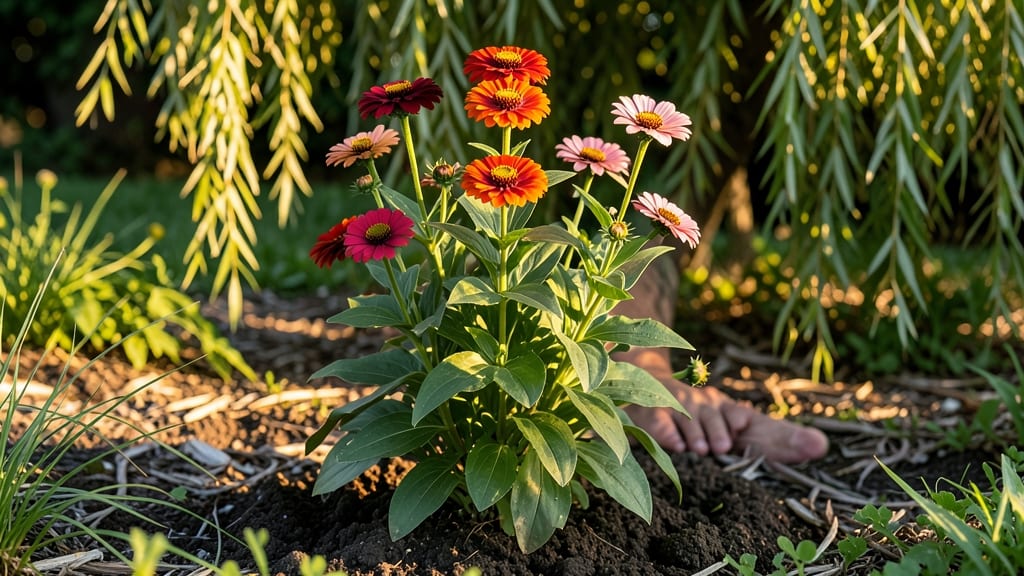
Ever wondered just how tall those bright, cheerful zinnias 🌼 can grow in your garden? The answer might surprise you—some varieties stay as short as 6 inches, while others stretch up to 4 feet tall, making them perfect for everything from window boxes to towering cut-flower arrangements.
If you're planning your garden layout or dreaming of a stunning pollinator-friendly space, knowing the height range of zinnias is the key to getting the most out of your blooms.
Whether you love compact varieties that stay neat and tidy or dramatic giants that command attention, there's a zinnia perfect for your vision.
But here's the thing: height isn't just about looks—it affects how you care for your plants. Tall zinnias might need staking, while dwarf varieties thrive in containers or crowded borders.
I'll show you how to choose the right type for your space and keep them growing strong from April through October.
Ready to discover which zinnias will fit your garden like a glove? Let's dive into the world of these versatile flowers and find out how to grow them at their best—no matter how much (or little) space you have to work with.

Zinnia height ranges by variety: dwarf to giant blooms explained
Zinnias are one of the most versatile flowers in your garden, offering everything from tiny tabletop blooms to towering stems that reach shoulder height.
The variety you choose directly determines how much vertical space they’ll occupy, so let’s break down the height spectrum from dwarf zinnias to giant cultivars—because not all zinnias are created equal!
If you’re designing a container garden or a cut-flower plot, knowing these height ranges helps you plan spacing, staking, and even companion plants.
For example, dwarf zinnias like 'Thumbelina' stay under a foot tall, making them perfect for window boxes or rock gardens, while tall varieties like 'Benary’s Giant' can soar to 4 feet—ideal for backyard borders or cut-flower arrangements.
Here’s the visual breakdown of zinnia heights by category, so you can pick the perfect fit for your space:
| Variety Type | Height Range | Best For | Popular Cultivars |
|---|---|---|---|
| Dwarf | 6–12 inches | Containers, borders, edging | 'Thumbelina,' 'Crystal,' 'Lilliput' |
| Semi-Dwarf | 1–2 feet | Cut flowers, small gardens, pollinator plots | 'Profusion,' 'Zahara,' 'Magellan' |
| Standard | 2–3 feet | Cutting gardens, back borders, staking needed | 'State Fair,' 'Envy,' 'Persian Carpet' |
| Tall/Giant | 3–4 feet | Backyard focal points, cut flowers, staking essential | 'Benary’s Giant,' 'Super Double,' 'Tom Thumb' |
Notice how the height categories align with their ideal uses? For instance, dwarf zinnias thrive in small spaces where taller varieties would crowd out neighbors. Meanwhile, giant zinnias need sturdy support and ample spacing—think 3–4 feet apart—to avoid competition for sunlight and nutrients.
One misconception is that all zinnias need full sun to reach their maximum height, but dwarf varieties often tolerate partial shade, especially in hot climates where afternoon sun can scorch leaves.
If you’re in USDA Zone 9 or 10, opt for morning sun and afternoon shade to keep your dwarf zinnias blooming longer.
For cut-flower growers, taller zinnias like 'Benary’s Giant' are a game-changer—their long stems (often 2–3 feet) hold up beautifully in bouquets and last 1–2 weeks in a vase.
Just be prepared to harvest daily to encourage more blooms, as these varieties produce heavy flower heads that can flop without support.
If you’re new to zinnias, start with a mix of heights to create visual interest. For example, pair dwarf 'Thumbelina' (6–12 inches) with medium 'Profusion' (1–2 feet) in a container arrangement. The height contrast adds depth while keeping the design balanced.
Pro tip: Check seed packets for height ranges—some labels even include mature plant photos to give you a realistic expectation. And if you’re growing from seed, thin seedlings early to avoid overcrowding, which can stunt growth and reduce flower production.
Finally, remember that soil quality and watering habits play a role in height. Poor soil or inconsistent watering can lead to leggy, weak stems, even in tall varieties. Aim for well-draining, nutrient-rich soil and consistent moisture (but avoid soggy roots) to help zinnias reach their full potential.
Now that you know the height spectrum, you’re ready to plan your zinnia garden like a pro—whether you’re going for tiny bursts of color or dramatic vertical displays!
How zinnia height affects garden design and care requirements
Zinnia height isn’t just about aesthetics—it directly impacts how you design your garden and care for these vibrant blooms. Taller varieties like Benary’s Giant can reach 4 feet or more, making them perfect for back-of-border plantings or cut-flower arrangements.
Meanwhile, dwarf varieties like Thumbelina stay under 12 inches, ideal for container gardens or edging.
Your garden’s layout and sunlight exposure also play a role. Tall zinnias need full sun (6-8 hours daily) to support their height, while shorter varieties can thrive in slightly partially shaded spots if given enough light.
Without proper sun, even compact zinnias may stretch and become leggy, losing their bushy form.
Here’s how height influences care requirements in practical terms:
For small-space gardens, consider mixing heights—plant tall zinnias at the back and dwarf varieties in the front. This creates a layered look while ensuring all plants get adequate sunlight and airflow.
If you’re using zinnias for cut flowers, taller stems with strong stems (like Crystal or Profusion series) will last longer in vases.
Proper spacing and support also reduce the risk of disease, as crowded plants trap moisture and encourage fungal issues. Always plant zinnias where they have room to grow—whether that’s vertically in containers or horizontally in garden beds.
🌼