
Companion Plants
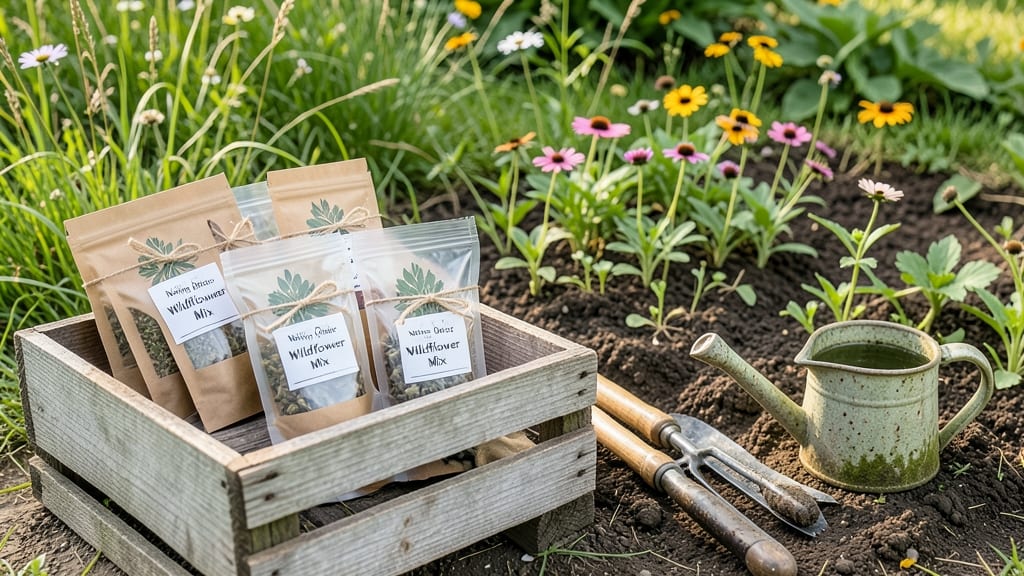
Planting wildflower seeds in Ohio at the wrong time can turn your dream meadow into a patch of dirt—even the hardiest 🌼 varieties need the perfect window to thrive.
With frost dates shifting between April 15th in most of the state and 6a-6b zones demanding precision, getting the timing right makes all the difference between fast establishment and wasted seeds.
Most Ohio gardeners swear by two key planting seasons: spring, when soil warms to 40-50°F (typically March-April), and fall, when early frosts signal seeds to germinate in September-October.
But here’s the catch—your location matters. Cincinnati’s microclimate might be ready weeks before Cleveland’s, and clay-heavy soil needs extra prep to avoid seed smothering.
I’ll break down the exact frost-free timeline for your zone, whether to direct-sow or start indoors, and how to prep soil for fast germination—even if you’re dealing with Ohio’s notorious clay. Plus, I’ll share my top tips for keeping seedlings happy until those June-September blooms take over.
Skip the guesswork: by the end, you’ll know exactly when to scatter those seeds for a pollinator paradise that pops up in record time. Let’s get those wildflowers growing the right way.
Ohio wildflower planting calendar by hardiness zones 5-6 (with frost-free date maps)
Ohio’s USDA Hardiness Zones 5a-6b create unique planting windows for wildflowers, where timing directly impacts germination success. In Zone 5a (northern Ohio), last frost typically arrives April 15-30, while Zone 6b (southern Ohio) sees frost-free conditions by March 20-April 10.
These dates mark your ideal planting windows—either 4-6 weeks before last frost (spring) or 6-8 weeks before first frost (fall).
Soil temperature is your secret weapon—wildflower seeds need 40-50°F soil to sprout. Use a soil thermometer to confirm readiness, especially in clay-heavy Ohio soils that warm slowly. In Zone 6b, March planting is often viable, while Zone 5a gardeners should wait until mid-April to avoid frost damage.
Here’s your Ohio wildflower planting timeline broken down by zone and season, with frost-free averages and soil prep tips:
| Zone | Last Frost Date | Spring Planting Window | Fall Planting Window | Soil Temp Threshold |
|---|---|---|---|---|
| 5a (Northern OH) | April 15-30 | Mid-April to May 15 | September 1-15 | 40-50°F |
| 5b (Central OH) | April 1-15 | Late March to April 30 | September 15-30 | 40-50°F |
| 6a (Southern OH) | March 20-April 10 | March 15 to April 15 | October 1-15 | 45-50°F |
| 6b (Extreme SW OH) | March 10-20 | March 1 to April 1 | October 15-30 | 45-50°F |
Pro Tip: Use Almanac’s Frost/Freeze Tool for your exact location—Cincinnati’s microclimate often runs 1-2 weeks earlier than Cleveland!
For spring planting, aim for March-April in southern Ohio or mid-April in the north. Clear existing vegetation first—wildflowers compete poorly with thatch or grass.
Rake lightly to create a firm seedbed, then scatter seeds and press them into the soil (they need light to germinate, so don’t bury them!).
Fall planting offers higher success rates in Ohio because cooler temps reduce seed predation by birds and soil-borne diseases. Sow seeds 6-8 weeks before first frost (typically September-October) when soil temps drop below 70°F.
This gives seeds time to germinate before winter dormancy. Coreopsis and black-eyed Susans thrive with fall planting, while coneflowers benefit from both seasons.
Ohio’s microclimates matter—urban areas like Columbus often have warmer microclimates than rural zones, while Appalachian foothills may experience later frosts. Check local Cooperative Extension offices for hyper-local advice. For example, Toledo’s Zone 6a can plant 1 week earlier than Youngstown’s Zone 5b.
Always monitor 7-day forecasts before planting—consistent rain (1+ inch/week) is ideal for spring germination, while dry falls may require supplemental watering. Mulch lightly with straw after planting to retain moisture without smothering seeds.
Remember: Ohio’s wildflowers reward patience—some species like prairie dropseed take 2 years to fully establish. Start small (a 10x10 ft plot), track your local frost dates, and adjust yearly. Your pollinators will thank you!
Spring vs. fall planting: which works better for Ohio wildflowers?
Ohio’s wildflower seeds thrive with the right seasonal timing, but choosing between spring and fall planting depends on your goals and local conditions. Each season offers unique advantages, and some wildflower species respond better to one over the other.
Let’s break down the pros and cons to help you decide which approach aligns best with your garden’s needs.
Spring planting in Ohio typically kicks off after the last frost date, usually around mid-April, but this can vary by USDA Zone. This season is ideal for fast-growing annuals like black-eyed Susans and cosmos, which bloom quickly and attract pollinators early.
However, spring often brings unpredictable rainfall patterns, which can lead to soil erosion or uneven germination if seeds aren’t properly prepped.
Fall planting, on the other hand, offers a more relaxed timeline—typically from late September to early October—allowing seeds to establish roots before winter. This method works exceptionally well for perennial wildflowers like coreopsis and coneflowers, which benefit from cooler temperatures and consistent moisture.
Fall-sown seeds also face fewer weeds and pests, giving them a competitive edge.
Pros
- ✅ Faster blooms in first season
- ✅ Ideal for annual wildflowers
- ✅ More pollinator activity early in season
Cons
- ❌ Unpredictable spring rains can wash seeds away
- ❌ Higher weed competition in spring
- ❌ Soil erosion risk if not prepped
Pros
- ✅ Less weed pressure
- ✅ Seeds establish roots before winter
- ✅ Better for perennial species
Cons
- ❌ Longer wait for first-year blooms
- ❌ Frost risk if planted too late
- ❌ Requires consistent moisture in fall
For soil preparation, both seasons require loose, well-draining soil. In spring, focus on removing weeds and lightly raking the surface to create a seed-friendly bed. In fall, aim to prep the soil 4-6 weeks before your target planting date to allow it to settle.
Adding a thin layer of compost or mulch can improve moisture retention and protect seeds from drying out.
If you’re torn between seasons, consider mixing both strategies! Plant fast-blooming annuals in spring for immediate color and perennial species in fall for long-term beauty. This approach ensures your garden stays vibrant from early summer through late fall, supporting pollinators year-round.
Regardless of timing, always press seeds lightly into the soil and keep the area moist until germination. Ohio’s climate can be finicky, so staying attentive to weather forecasts and adjusting your watering schedule will make all the difference in achieving a thriving wildflower meadow.