
Flowers
USDA Zone-by-Zone spring planting timeline for flowers
Getting your spring flower planting timing right means the difference between a lush, blooming garden and wasted seeds. The key? Your USDA hardiness zone and last frost date. Most flowers thrive when planted 2-4 weeks after your average last frost, but some cold-hardy varieties can handle earlier starts.
For example, pansies and snapdragons tolerate light frosts, while marigolds and zinnias need warmer soil. Below is a zone-by-zone guide to help you pinpoint the perfect planting window for your region.
Why zones matter: A Zone 5 garden in Minnesota faces late May planting, while Zone 9 in California can start as early as February. Even within a zone, microclimates (like urban heat islands) can shift your ideal window by 2-3 weeks.
| USDA Zone | Last Frost Date | Ideal Planting Window | Cold-Hardy Flowers | Heat-Lovers |
|---|---|---|---|---|
| 3-4 | Mid-May | Late May–Early June | Pansies, Primroses, Sweet Alyssum | Marigolds, Zinnias (late June) |
| 5-6 | Early May | Late April–Mid-May | Snapdragons, Violas, Larkspur | Petunias, Geraniums |
| 7-8 | Mid-March | February–April | Calendulas, Stock, Sweet Peas | Cosmos, Sunflowers, Dahlias |
| 9-10 | December–January | January–March | Pansies, Sweet Peas (winter) | Impatiens, Begonias, Hibiscus |
Notice how Zone 3-4 gardeners wait until late May, while Zone 9-10 can plant year-round. Even within zones, elevation changes timing—mountain gardens in Zone 6 may need to wait until June.
Pro tip: Use biodegradable pots for seedlings to avoid transplant shock. Plant them directly into the soil to protect roots from temperature fluctuations in early spring.
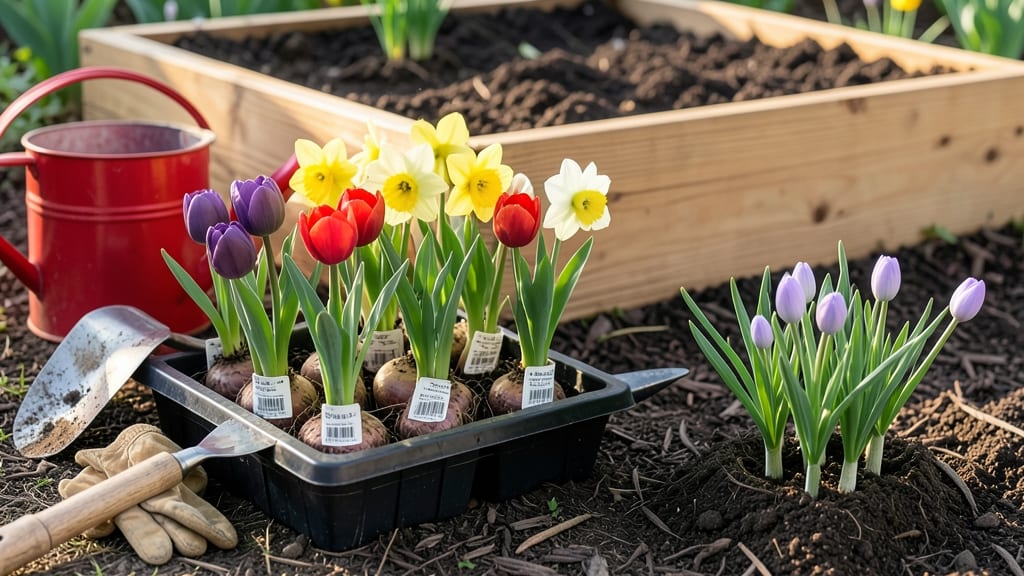
For bulbs like tulips, timing shifts slightly—plant them in fall (6-8 weeks before frost) for spring blooms. But for annual flowers, the table above is your roadmap to season-long color.
Remember: Soil temperature matters more than air temperature. Use a soil thermometer to confirm it’s at least 60°F before planting heat-loving flowers like petunias or geraniums.
If you’re in Zone 5-6 and see daffodils blooming in March, that’s your cue to start hardening off seedlings indoors. But wait until after Mother’s Day (around May 10th) to plant tender annuals.
For perennials, divide and transplant in early spring (before new growth starts) to give them time to establish roots before summer heat. Deadhead spent blooms in late spring to encourage second flushes of flowers.
🌸
How to check your local frost dates before planting
Planting flowers too early in spring can kill tender seedlings, while waiting too long might miss the ideal growing window. The key is knowing your local frost dates—not just your USDA zone. Even within the same zone, frost timing can vary by 1–3 weeks depending on elevation and microclimates.
Start by checking the average last frost date for your area. This is the date after which the chance of frost drops below 10%.
For example, in USDA Zone 5, this might be May 15, while in Zone 8, it could be as early as March 1**.
Here’s how to verify frost dates accurately before planting:
- 1. Visit the USDA Plant Hardiness Zone Map and enter your ZIP code to find your zone.
- 2. Note your zone number (e.g., Zone 6a) to estimate frost dates.
- 3. Use a frost date calculator like the one from The Old Farmer’s Almanac for local averages.
- 4. Check your local weather station or NOAA for historical frost data.
- 5. Adjust for microclimates—valleys frost earlier, while slopes and urban areas may warm faster.
For extra safety, wait 2 weeks after the average last frost date before planting tender annuals like marigolds or zinnias. Cold-hardy flowers, such as pansies or snapdragons, can often handle a light frost, so they can go in 1–2 weeks earlier.
Pro tip: Use frost cloth or row covers to extend your planting window by 2–4 weeks in cooler climates. This lets you start seeds earlier without risking damage from unexpected late frosts.
Remember, frost dates aren’t set in stone—climate change is shifting them earlier in many regions. Always double-check with local gardening groups or extension services for the most up-to-date info.