
Plants
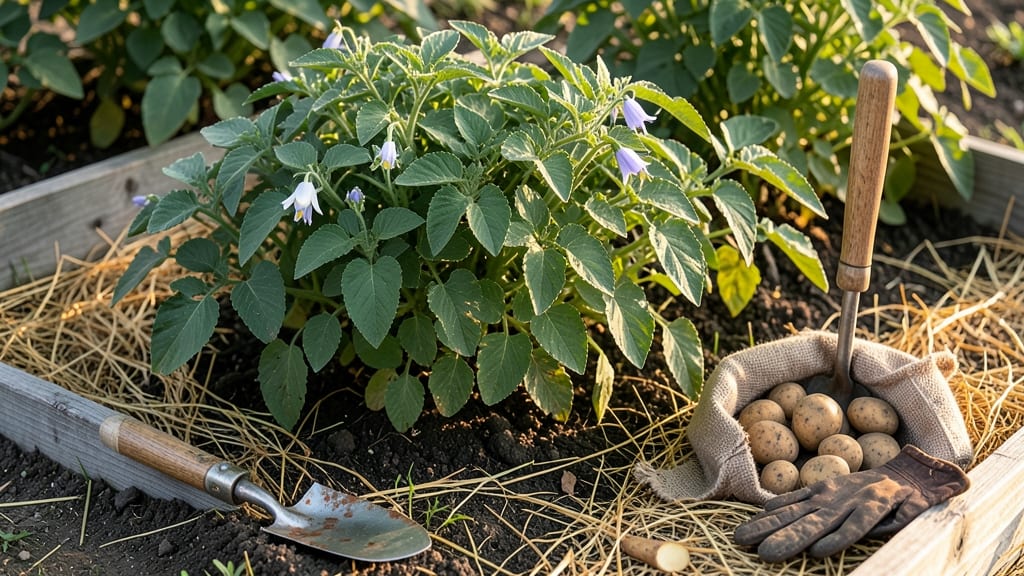
Figuring out when can you plant potatoes in Texas can feel like navigating a maze—one wrong move, and your crop is history. Whether you're in North Texas where frost lingers or South Texas where summer heat arrives early, timing is everything for those crisp, homegrown 🥔.
Texas gardeners know the stakes: Plant too early, and a late frost will turn your potatoes to mush. Too late, and you’ll miss the sweet spot for harvest.
But here’s the good news—with the right strategy, you can grow thriving potatoes in both spring and fall, no matter where you are in the state.
In this guide, I’ll break down the exact planting windows for your USDA zone, from North Texas’s chilly springs to South Texas’s balmy falls. You’ll learn how to pre-sprout seed potatoes, check soil temperatures, and pick varieties that thrive in your microclimate.
Ready to avoid common mistakes and maximize your harvest? Let’s get those spuds in the ground at the perfect time—because in Texas, patience and preparation pay off big time.
Texas potato planting calendar: frost-free deadlines by USDA Zone
Texas stretches across USDA Zones 7b through 10b, meaning your potato planting schedule should differ dramatically between North Texas (where frosts still bite) and South Texas (where summer heat is the real enemy).
The key to success? Planting 4-6 weeks before your last frost date—but with Texas' unpredictable weather, that window can shift by weeks depending on your exact location.
For example, gardeners in Zone 8a (Dallas-Fort Worth) should aim for late February to early March, while those in Zone 9a (Austin) can start as early as January.
Meanwhile, South Texas (Zones 9b-10b) skips spring planting entirely and focuses on fall plantings in September-October to avoid scorching summer temperatures.
Here’s the critical rule: Soil temperature must stay above 45°F (7°C) for potatoes to sprout properly. Cold, wet soil will rot your seed potatoes before they even germinate. Use a soil thermometer to check—if it’s below 50°F (10°C), wait a few more weeks.
Another Texas-specific challenge? Late spring frosts can still hit North Texas in April. To hedge your bets, consider staggered plantings—sow a few seed potatoes every 2 weeks for a continuous harvest. This also helps if you’re growing early-maturing varieties (like 'Red LaSoda') alongside longer-season types (like 'Yukon Gold').
| USDA Zone | Last Frost Date | Ideal Planting Window | Soil Temp Threshold | Notes |
|---|---|---|---|---|
| 7b-8a (North TX: Amarillo, Lubbock) | February 15 | Late February - Early March | ≥45°F (7°C) | High frost risk; use row covers |
| 8b (Dallas-Fort Worth) | March 1 | Late February - Early April | ≥45°F (7°C) | Stagger plantings for continuous harvest |
| 9a (Austin, San Antonio) | January 15 | January - Early April | ≥50°F (10°C) | Spring or fall planting works |
| 9b-10b (Houston, South TX) | No frost | September - October (fall only) | ≥60°F (15°C) | Avoid summer heat; mulch heavily |
If you’re in North Texas (Zones 7b-8a), don’t be tempted to plant early just to "get a head start." Seed potatoes need consistent warmth to germinate—if your soil is still cold and soggy, you’ll lose your entire crop to rot.
Instead, pre-sprout your seed potatoes indoors 4-6 weeks before your target planting date by placing them in a bright, cool spot (around 60°F/15°C).
For South Texas gardeners, the real enemy isn’t frost—it’s summer heat. Potatoes thrive in 60-75°F (15-24°C) soil temperatures, but once the mercury climbs above 85°F (29°C), they’ll stop producing tubers and focus on leaf growth instead.
That’s why fall planting (September-October) is your best bet, giving you a harvest before winter sets in.
Pro tip: Use black plastic mulch in South Texas to keep soil temperatures stable and reduce water evaporation. In North Texas, straw mulch helps insulate against late frosts.
Both methods can extend your growing season by 2-4 weeks—just what you need to squeeze in an extra harvest before summer or winter arrives.
One final Texas-specific hack: If you’re in Zone 8b or warmer, try container growing. Potatoes grow well in 5-gallon buckets or fabric grow bags, and you can move them to shaded areas during peak summer heat. Just
🌱
Best potato varieties for Texas gardens & their ideal planting times
Texas’s diverse climate zones mean not all potato varieties thrive equally. For North Texas (Zones 7b-8a), cold-hardy types like 'Red Pontiac' or 'Kennebec' excel, while South Texas (Zones 8b-10b) gardeners should opt for heat-tolerant 'Yukon Gold' or 'Red LaSoda'.
Each variety has unique planting windows to avoid frost or summer heat stress.
Early-season varieties like 'Early Girl' mature in 90 days, perfect for North Texas’s spring planting (February-March). Late-season 'Russet' needs 120 days, ideal for South Texas’s fall harvests (September-October). Choosing the right type ensures a reliable harvest regardless of your Texas location.
| Variety | Days to Maturity | Best Planting Time | Ideal Zone | Notes |
|---|---|---|---|---|
| Early Girl | 90 days | Feb–March (North TX) | 7b–8a | Early harvest; frost-sensitive |
| Yukon Gold | 100 days | Sep–Oct (South TX) | 8b–10b | Heat-tolerant; buttery texture |
| Red Pontiac | 110 days | Feb–March (North TX) | 7b–8a | Cold-hardy; great for storage |
| Russet | 120 days | Sep–Oct (South TX) | 8b–10b | Large tubers; needs space |
| Red LaSoda | 95 days | Feb–March OR Sep–Oct | 7b–10b | Versatile; good for both seasons |
For North Texas, prioritize early-maturing varieties like 'Early Girl' or 'Red Pontiac' to avoid late spring frosts. In South Texas, heat-resistant types such as 'Yukon Gold' or 'Red LaSoda' prevent summer wilting. Always check your local frost dates—even Texas isn’t frost-free year-round!
Pro tip: Pre-sprout your seed potatoes 4-6 weeks before planting to jumpstart growth. Place them in a bright, cool spot (60–70°F) until sprouts are 1/2-inch long. This trick shaves 2-3 weeks off your growing season, critical for Texas’s tight windows.
If you’re in Transition Zones (8a-8b), like Austin or San Antonio, consider staggered planting. Start with early varieties in February and follow up with late-season types in September for a continuous harvest. This doubles your yield without extra space!
Finally, always rotate crops—never plant potatoes in the same spot two years in a row. Texas’s soil-borne diseases, like verticillium wilt, thrive in repeated plantings. Swap with beans, corn, or tomatoes to keep your soil healthy and potatoes thriving.