
Companion Plants
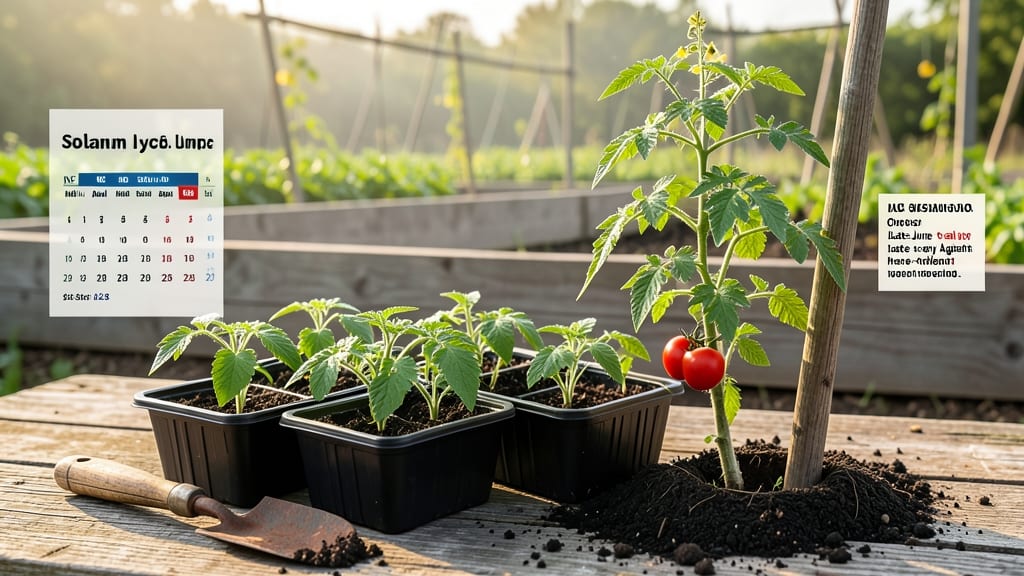
North Carolina tomato planting dates by USDA Zone: frost-free deadlines
North Carolina spans USDA Zones 5b through 8b, meaning your tomato planting window varies dramatically from the cool mountain regions to the hot Piedmont plains. The key to success? Timing your plants to avoid late spring frosts (which can kill seedlings) and summer heatwaves (which cause blossom drop).
Let’s break down the exact frost-free dates by zone so you can plant with confidence.
First, check your last average frost date—this is your hard cutoff for outdoor planting. In NC, this ranges from mid-April in Zone 8b (southeastern coast) to mid-May in Zone 5b (western mountains).
For example, Asheville (Zone 6b) typically sees its last frost around April 15th, while Raleigh (Zone 7b) hits April 1st. Always verify with the NC State Extension’s frost map for your exact location.
Here’s the golden rule: Wait until soil temperatures reach at least 60°F (measured 4 inches deep) before transplanting. Cold soil slows root growth and invites disease. Use a soil thermometer—if it’s below 60°F, your tomatoes will struggle.
Pro tip: Black plastic mulch can warm soil by 10-15°F, giving you an earlier start in cooler zones.
Now, let’s dive into the zone-by-zone breakdown. Whether you’re in the cool Appalachians or the hot Coastal Plain, these dates will help you align your planting with NC’s climate quirks.
| USDA Zone | Last Frost Date | Transplant Window | Indoor Seed Start | Fall Planting Window |
|---|---|---|---|---|
| 5b (Mountains) | Mid-May | Late May - Early June | Mid-March - April | Late July - Early Aug |
| 6a (Western NC) | Early May | Early May - Mid-May | Late Feb - March | Late July - Mid-Aug |
| 7a (Piedmont) | Mid-April | Late April - Early May | Early Feb - March | Mid-July - Early Aug |
| 7b (Central NC) | Early April | Mid-April - Late April | Late Jan - Feb | Late June - July |
| 8a (Coastal) | Late March | Early April - Mid-April | Dec - Jan | June - Early July |
| 8b (Southeast NC) | Mid-March | Late March - Early April | Nov - Dec | May - June |
🌱 Pro Tip: For earlier harvests, start seeds indoors 6-8 weeks before your last frost date. Use grow lights to prevent leggy seedlings.
If you’re in Zones 7b-8b, you can even squeeze in a fall harvest by planting heat-tolerant varieties like 'Celebrity' or 'Solar Fire' in late July or August. These tomatoes mature faster (60-70 days) and handle the late-summer heat better than traditional varieties.
Just be sure to harvest before the first frost, which hits Zone 7b around October 15th
Heatwave-proof tomato planting: how to beat NC’s summer scorching
North Carolina’s summer heat—especially in Zones 7-8—can turn tomato plants into crispy, sad reminders of your gardening dreams. But with the right strategies, you can protect your plants from heat stress, sun scorch, and fruit split.
The key? Shade, soil moisture, and timing—all tailored to NC’s brutal July and August temps.
First, choose heat-tolerant varieties like ‘Celebrity’, ‘Solar Fire’, or ‘Heatmaster’. These varieties thrive in 90°F+ temps, while others may bolt (flower prematurely) or develop sunscald on their fruit.
Pair them with mulch to keep roots cool and drip irrigation to avoid wetting leaves—both critical for Zone 8 gardeners.
Morning vs. Afternoon Planting for Heat Zones 7-8
- ✅ Cooler soil temps
- ✅ Less transplant shock
- ✅ Better root establishment
- ❌ Higher stress risk
- ❌ Slower recovery
- ❌ More wilting
*For Zones 7-8, morning planting (6-9 AM) reduces heat stress by up to 40% compared to afternoon.
Shade cloth is your best friend in July and August. Use 30-50% shade during the hottest hours (11 AM–3 PM) to protect leaves while still allowing light for photosynthesis. Secure it 3–4 feet above plants to avoid trapping heat at ground level. For containers, move pots to partial shade during peak heat—even a garage or patio cover can save your plants.
Watering is an art, not a science. Deep watering in the morning (6–10 AM) is non-negotiable—1–1.5 gallons per plant—but avoid overhead sprinklers, which promote fungal diseases like early blight.
Instead, use soaker hoses or drip lines buried in mulch. Mulch with straw or wood chips to retain moisture and keep roots 10–15°F cooler than surface temps.
Watch for heat stress signs: wilting leaves, yellowing, or blossom drop. If you see these, prune lower leaves to improve airflow and reduce water slightly (overwatering in heat stresses roots).
For container tomatoes, switch to self-watering pots—they’re a game-changer in Zone 8’s scorching summers.
Pro tip: Succession plant in late July for a fall harvest. Choose determinate varieties (like ‘Roma’) that ripen faster in cooler September temps. Pair them with basil or marigolds to repel pests and improve flavor—because even in the heat, your tomatoes deserve a little extra love.