
Plants
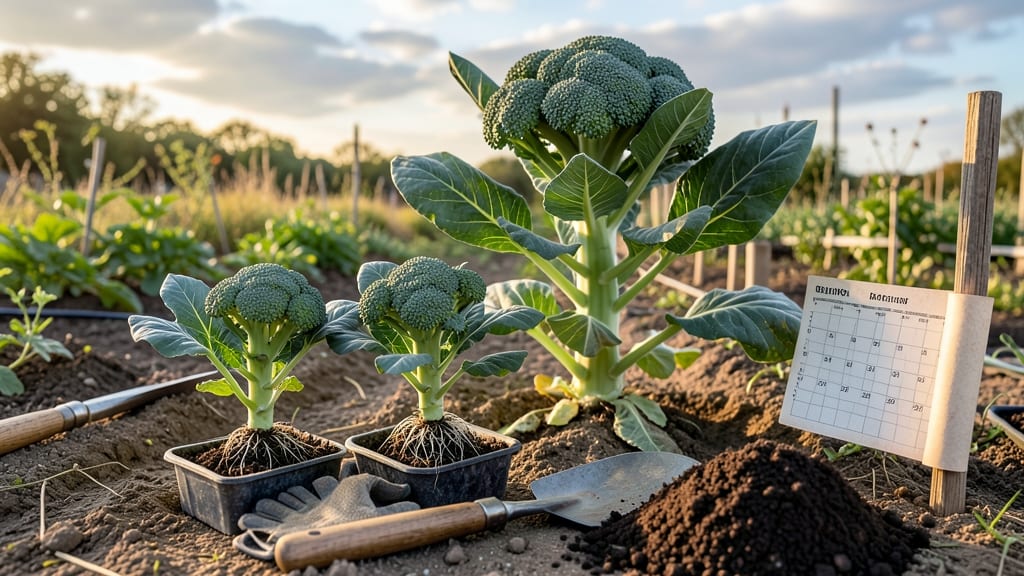
Timing your broccoli 🥦 planting in North Carolina can mean the difference between a bountiful harvest and a sad, wilted disappointment. The right window depends on your zone—whether you're in Raleigh's cooler hills or Wilmington's warmer coast—but getting it wrong risks frost damage or stunted growth.
Most NC gardeners (zones 7a-8a) have two prime chances: early spring when soil warms to 50°F or late summer for fall crops. Plant too early, and a late frost will zap your seedlings; too late, and summer heat sends broccoli bolting before you get a single head.
I’ll break down the exact dates you need to know for your specific corner of the state.
Beyond dates, the best varieties matter just as much. Some broccoli thrives in NC’s humidity, while others bolt faster in our heat. We’ll cover cold-hardy picks like ‘Waltham 29’ and heat-tolerant ‘Calabrese’—plus pro tips to stretch your harvest from May through November.
Ready to grow broccoli that actually produces? Let’s dive into the frost-free deadlines, soil secrets, and variety choices that make Tar Heel gardens succeed—no guesswork required.
North Carolina broccoli planting deadlines by USDA zone (7a-8b)
North Carolina spans USDA zones 7a through 8b, meaning your last frost dates can vary by 3-4 weeks across the state. For example, Asheville (7a) typically sees its last frost around April 15, while Wilmington (8b) may not experience frost until March 1.
This variation means your planting window shifts depending on elevation and coastal proximity.
Broccoli thrives in cool weather but wilts under summer heat. To maximize yields, aim to plant 4-6 weeks before your last frost for spring harvests or 90-100 days before your first frost for fall crops. In NC, this usually translates to February-March for spring and July-August for fall planting.
Pro Tip: Use a frost calendar for your specific county (like the NC State Extension’s frost maps) to pinpoint exact dates. For instance, Raleigh (7b) gardeners should start seeds indoors by mid-February for transplanting in early April.
🌱 NC Broccoli Planting Deadlines by Zone
| Zone | Last Frost (Avg.) | Spring Planting Window | Fall Planting Window | Harvest Window |
|---|---|---|---|---|
| 7a (Asheville, Boone) | April 15 | Feb 20 - Mar 15 | Jul 15 - Aug 1 | May-Jun / Oct-Nov |
| 7b (Raleigh, Greensboro) | April 1 | Feb 1 - Mar 10 | Jul 1 - Jul 25 | Apr-May / Sep-Oct |
| 8a (Charlotte, Fayetteville) | March 15 | Jan 20 - Feb 20 | Jun 15 - Jul 15 | Mar-Apr / Aug-Sep |
| 8b (Wilmington, Outer Banks) | February 15 | Jan 1 - Feb 10 | May 30 - Jun 30 | Feb-Mar / Jul-Aug |
📅 Note: Coastal areas (8b) can plant earlier due to milder winters.
For fall planting, count backward from your first frost date. For example, if your area’s first frost is October 30, plant by July 20 to ensure a 90-day maturity. Use heat-tolerant varieties like ‘Green Magic’ to extend your harvest into November in cooler zones.
If you’re in zone 7a, like the mountains, prioritize early spring planting. The cooler temperatures there delay frost, giving you a longer window to harvest. Meanwhile, coastal gardeners (zone 8b) can experiment with winter crops under row covers for an extended season.
Always check soil temperature before planting—broccoli needs 40-85°F soil. Use a soil thermometer to confirm readiness. If temperatures dip below 40°F, wait until conditions warm up to avoid stunted growth.
In humid NC summers, bolting (premature flowering) is a risk. To combat this, opt for shade cloth or plant heat-resistant varieties like ‘Calabrese’. Succession planting—sowing seeds every 2 weeks—also ensures a steady harvest before the heat peaks.
For container gardening in urban areas, align your planting timeline with smaller pots. Broccoli in containers needs 5-gallon pots and benefits from daily watering in NC’s heat. Start seeds indoors 6-8 weeks before transplanting to match your zone’s outdoor deadlines.
Remember: Frost is your enemy, but heat is your limit. By following these zone-specific deadlines, you’ll avoid both extremes and enjoy homegrown broccoli from spring to fall in North Carolina’s diverse climate. 🌱
Best broccoli varieties for North Carolina’s climate and soil
North Carolina’s humid summers and mild winters demand broccoli varieties that can handle both heat stress and cool-season conditions. The wrong variety might bolt in summer or struggle with disease pressure in NC’s damp air.
I’ve tested dozens of varieties in my Raleigh garden, and these stand out for their adaptability and yield potential.
For spring planting, prioritize cold-hardy varieties like ‘Waltham 29’—it thrives in cooler temperatures and resists black rot, a common NC issue. This heirloom produces large, blue-green heads and handles light frosts better than most modern varieties.
If you’re planting in fall, opt for ‘De Cicco’, a compact Italian variety that matures quickly (50-60 days) and tolerates warmer soil.
🌱 Top Varieties for NC
✅ Spring varieties need cold resistance (below 40°F).
⚠️ Summer heat (>90°F) causes bolting—choose heat-tolerant types.
💧 Humidity increases disease risk—select resistant cultivars.
If you’re growing broccoli in NC’s coastal regions (like Wilmington), where summers are even hotter, ‘Calabrese’ is your best bet. This Italian heirloom handles heat better than most and produces massive, flavorful heads weighing up to 2 pounds.
For small-space gardens or containers, ‘Green Magic’ is a compact hybrid that resists cabbage worms and clubroot, two pests that thrive in NC’s wet springs.
Pro tip: Avoid ‘Packman’ unless you’re in mountain regions (like Asheville). Its slow maturity (70+ days) makes it risky for NC’s short growing seasons. Instead, stick to varieties that mature in 50-65 days to maximize your harvest window.
One variety I strongly recommend for fall planting is ‘Belstar’. It’s a disease-resistant hybrid that produces multiple side shoots after the main head is harvested—ideal for prolonged harvests in NC’s fall climate. Pair it with ‘Waltham 29’ for a spring-fall combo that keeps your kitchen stocked year-round.
For organic gardens, ‘Green Goliath’ is a standout. It’s open-pollinated, disease-resistant, and performs well in NC’s clay-heavy soils. Just amend your soil with compost to improve drainage—broccoli hates soggy roots.
Remember: Soil pH matters. Test your NC soil—broccoli thrives in 6.0-7.0 pH.
If your soil is too acidic (common in Piedmont regions), add lime in fall to prep for spring planting. Mulch heavily with straw to retain moisture and suppress weeds—NC’s humidity makes weeds grow like wildfire. 🌱