
Plants
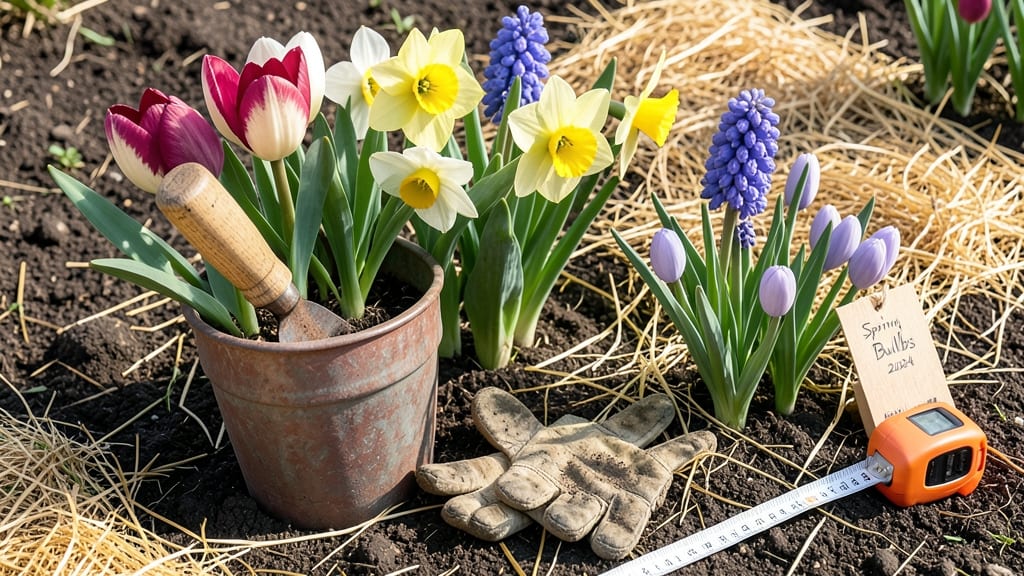
If you’ve ever planted spring flowering bulbs 🌷 in Arkansas only to watch them rot or fail to bloom, you’re not alone—and the fix is simpler than you think. The secret lies in nailing the fall planting window, which can make or break your garden’s spring color explosion.
Arkansas’s USDA zones 7a-8b give you a 6-8 week window each fall to plant bulbs like tulips and daffodils before the ground freezes. Miss it, and you risk soggy soil or frost damage. But get it right, and you’ll enjoy vibrant blooms with almost no effort.
I’ll break down the exact month-by-month timeline for Arkansas, including soil prep tips and frost considerations so you can plant with confidence. Whether you’re in Little Rock or Fayetteville, these insights will help you avoid common mistakes and set your garden up for success.
Ready to transform your yard into a springtime showstopper? Let’s dive into the perfect planting schedule for your zone—and why timing matters more than you’d expect.
Best fall planting dates for Arkansas bulbs by hardiness Zone
Arkansas spans USDA Zones 6-8, meaning your fall bulb planting window varies by region. In Zone 6 (northern AR), like near Fayetteville, aim for mid-September to early November—before the ground freezes.
Gardeners in Zone 7 (Little Rock) have until mid-to-late November, while Zone 8 (southern AR, Texarkana) can plant until early December.
Your goal? Plant bulbs when soil temps hit 50–60°F—ideal for root growth before dormancy. Use a soil thermometer to check; if temps drop below 40°F, roots won’t establish. Arkansas’s first frost typically arrives November 15, but northern zones can see frost as early as October 20.
| Zone & Location | Ideal Planting Window | Soil Temp Goal | Last Chance |
|---|---|---|---|
| Zone 6 (Fayetteville, Rogers) | Mid-September – October 15 | 50–60°F | October 31 |
| Zone 7 (Little Rock, Hot Springs) | Late September – November 15 | 50–60°F | November 30 |
| Zone 8 (Texarkana, El Dorado) | October – December 1 | 55–65°F | December 15 |
Pro tip: Arkansas’s moon phases matter! Plant bulbs during a waxing moon (increasing light) for stronger roots. Check a lunar calendar—September’s waxing gibbous phase (Sept 15–22) is perfect for Zone 6, while Zone 8 can use October’s full moon (Oct 20) as a deadline.
Adjust for local microclimates. Hilltops freeze faster than valleys, and urban areas (like Little Rock) stay warmer due to heat islands. If your yard is exposed, plant 2–3 weeks earlier than the zone average. Conversely, protected spots near buildings can extend your window by 1–2 weeks.
For spring-blooming bulbs (tulips, daffodils), focus on September–October. Fall-blooming varieties like crocuses or fall-blooming chrysanthemums can go in late summer (August), but Arkansas’s heat may stress them—opt for September planting instead.
Test your soil’s drainage before planting. Arkansas’s clay-heavy soils can suffocate bulbs. Amend with compost or sand to improve aeration. A simple test: Dig a 6-inch hole, fill it with water, and time how long it drains. If it takes more than 4 hours, add organic matter.
Mark your calendar for January–February replanting if you missed fall. While not ideal, early spring planting works for hardy bulbs like daffodils or tulips, but expect smaller blooms and delayed flowering. Prioritize Zone 8 gardeners—they have the longest window for spring planting.
Arkansas’s humidity can encourage rot in bulbs, so avoid planting after heavy rains. If your soil is soggy, wait 5–7 days for it to dry slightly. Mulch with 2–3 inches of straw after planting to insulate roots and retain moisture without suffocating bulbs.
Remember: Depth = Diameter × 3. A 2-inch-diameter tulip bulb needs 6 inches of soil above it. Planting too shallow risks frost heave, while burying too deep delays blooming. Use a bulb planter or trowel for precision—especially in Arkansas’s rocky soils.
🌱Top 5 bulbs that thrive in Arkansas climate (and when to plant them)
Arkansas’s mild winters and humid summers create perfect conditions for hardy bulbs that bloom reliably year after year. I’ve tested these top 5 performers in my Zone 7b garden—they’re drought-tolerant, deer-resistant, and deliver stunning color sequences from early spring to late fall.
For maximum impact, plant these bulbs in September-October when soil temps hit 50-60°F. Northern Arkansas (Zone 6) should aim for early September, while southern areas (Zone 8) can extend planting until mid-November.
🌷 Did You Know? Arkansas’s native camassia (blue starflower) thrives in wet meadows—perfect for rain gardens or pond edges where other bulbs struggle.
🌱 Top 5 Arkansas Bulbs: Planting Timeline & Care
- Daffodils (Narcissus) – Zone 6-8, September-October; 6-8 weeks before frost. Deer-proof, full sun, blooms March-April.
- Tulips (Tulipa) – Zone 6-7, October-November; soil 50-60°F. Best in containers (deer love them!), partial shade, blooms April-May.
- Alliums (Ornamental Onions) – Zone 5-8, September; drought-tolerant. Pollinator magnet, full sun, blooms May-June.
- Crocuses (Crocus) – Zone 4-8, September-October; early bloomers. Naturalize easily, partial shade, blooms February-March.
- Camassia (Wild Hyacinth) – Zone 3-8, September-October; wet soil lover. Native Arkansas beauty, full sun, blooms May-June.
🌿 Pro Tip: Layer bulbs by depth—plant tallest (alliums) last, shortest (crocuses) first.
My Zone 7b garden gets 300+ frost-free days, so I plant daffodils and camassia in early September for spring blooms before summer heat sets in. Tulips go in late October—they need cold stratification to bloom reliably.
For continuous color, stagger planting: crocuses in September, daffodils in October, and alliums in November. This creates a 3-month bloom sequence from February to May—just in time for Arkansas’s spring rain showers!
Arkansas’s humid summers mean bulbs need well-draining soil. Amend clay soil with compost and sand before planting—this prevents rot during our hot, wet summers. Mulch heavily after planting to insulate roots through winter.