
Planting
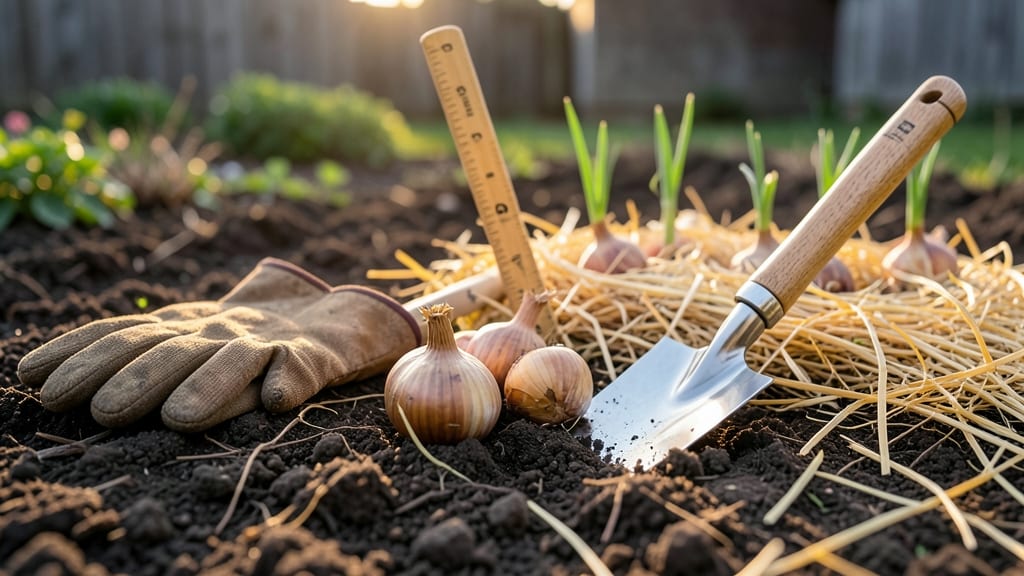
Planting bulbs at the wrong time can mean the difference between a garden bursting with color and a patch of dirt—even if you’ve chosen the perfect varieties. The secret to vibrant blooms isn’t just about the calendar; it’s about syncing with nature’s hidden rhythms, like moon phases that boost root growth and resilience.
In USDA Zone 6a, where first frost arrives around October 15, timing is everything. Fall planting—6 to 8 weeks before frost—gives bulbs like tulips and daffodils the chill they need to thrive.
But spring planting also works if you act early, before the last frost in April. Let’s break down the exact windows and pro tips to ensure your 🌱 bulbs flourish year after year.
Most gardeners overlook how soil temperature and lunar cycles play into success. For example, planting during a rooting moon phase can double your chances of strong, healthy growth. I’ll show you how to align your schedule with these natural cues, plus common mistakes that even experienced gardeners make.
Whether you’re a beginner or a seasoned green thumb, mastering these timing secrets will transform your garden into a year-round floral masterpiece. Ready to unlock the full potential of your bulbs? Let’s get started.
Optimal planting times for garden bulbs by climate Zone
Planting bulbs at the right time ensures vibrant blooms and healthy growth. Most bulbs thrive when planted in fall or early spring, but the exact timing depends on your USDA hardiness zone and local frost dates.
For example, in Zone 6a, like many northern regions, aim for 6-8 weeks before the first frost—typically September to early October. In warmer zones like Zone 9-10, you can plant as late as December or even early spring.
The key is to give bulbs enough time to establish roots before the ground freezes. If planted too late, they won’t have time to develop a strong root system, leading to weak or no blooms the following year.
Conversely, planting too early in cold climates can expose bulbs to rot or freezing, especially if the soil is still warm. Always check your local frost dates and adjust accordingly.
Here’s a quick guide to help you align your planting schedule with your climate zone:
| Zone | Fall Planting Window | Spring Planting Window | Notes |
|---|---|---|---|
| 3-5 | September 15 - October 15 | Early April (after frost) | Cold climates; prioritize root growth before winter. |
| 6-7 | October 1 - November 1 | March 15 - April 15 | Moderate climates; adjust for early/late frosts. |
| 8-9 | November 1 - December 15 | February - March | Warmer zones; spring planting is viable. |
| 10+ | December - February | January - April | Tropical climates; plant year-round with care. |
For spring-blooming bulbs like tulips and daffodils, focus on fall planting—this gives them time to root before dormancy. Summer-blooming bulbs, such as dahlias and gladiolas, should be planted in spring after the last frost.
Always plant bulbs at a depth of 2-3 times their diameter and space them 6-12 inches apart for optimal growth.
Soil temperature is another critical factor. Bulbs need cooler soil (below 60°F) to trigger root growth. Use a soil thermometer to monitor temperatures if you’re unsure.
In warmer zones, you can plant bulbs later in the year, but avoid planting when the ground is too warm, as it can cause premature sprouting or rot.
Pro tip: Mark your planting schedule with local frost dates and adjust for microclimates in your garden. For example, a south-facing slope may warm up faster than the rest of your yard, allowing for slightly later planting. Pay attention to these nuances to fine-tune your timing.
Regional adjustments are key. In the Pacific Northwest, for instance, plant bulbs in late September to avoid wet, cold soil. In the Southeast, where winters are milder, you can plant as late as November.
Always research your specific region’s last frost date and first frost date to stay ahead of the game.
Finally, don’t forget to prepare your soil before planting. Bulbs thrive in well-draining, slightly sandy soil with a pH of 6.0-7.0. Amend heavy clay soil with compost or sand to improve drainage.
Adding a slow-release bulb fertilizer at planting time can also give your bulbs a nutritional boost for next year’s blooms.
By aligning your planting schedule with your climate zone and soil conditions, you’ll set the stage for a stunning, long-lasting display of color and fragrance in your garden. Happy planting! 🌷
Moon phase gardening: how lunar cycles affect bulb growth
Did you know the moon’s gravitational pull can influence your bulb growth? Planting bulbs during the right lunar phases can boost root development and flower strength. The key is understanding rooting phases (when bulbs establish roots) versus flowering phases (when they produce blooms).
Aligning your planting schedule with these cycles unlocks nature’s hidden potential for vibrant, hardy plants.
Most spring-flowering bulbs like tulips and daffodils thrive when planted during the waxing moon (the moon’s growing phase). This phase enhances root growth, giving bulbs a stronger foundation before winter dormancy.
Conversely, summer-flowering bulbs, such as dahlias or cannas, benefit from planting during the waning moon (the moon’s shrinking phase), which supports above-ground growth and blooming.
🌕 Lunar Planting Calendar for Bulbs
- 🌑 New Moon: Best for planting bulbs—roots grow deep and strong.
- 🌒 Waxing Crescent: Ideal for spring bulbs (tulips, daffodils) to establish roots.
- 🌓 First Quarter: Perfect for dividing bulbs or transplanting established clumps.
- 🌔 Waxing Gibbous: Encourages flower bud formation in summer bulbs.
- 🌕 Full Moon: Avoid planting—energy is focused on growth above ground.
- 🌖 Waning Gibbous: Good for harvesting bulbs or pruning foliage.
- 🌗 Last Quarter: Best for summer bulbs (dahlias, lilies) to promote blooms.
- 🌘 Waning Crescent: Encourages root development in late-season plantings.
For fall-planted bulbs, aim to plant during the waxing moon in September or October. This timing ensures roots have time to establish before the ground freezes.
In USDA Zone 6a, like my garden, I plant tulips and hyacinths in early October, just as the moon enters its waxing phase. The result? healthier blooms the following spring, with stems that stand tall and petals that burst with color.
Pro tip: Check a lunar planting calendar for your specific planting dates. Apps like Farmers’ Almanac or Moon Garden provide real-time moon phase tracking.
Even a small adjustment—like planting a batch of daffodils during the waxing crescent instead of a full moon—can make a noticeable difference in bloom vigor and plant longevity.
Don’t overlook the moon’s position in the sky either. Plant bulbs when the moon is in a water sign (Cancer, Scorpio, or Pisces) to enhance moisture absorption and root growth.
This ancient practice, rooted in biodynamic gardening, aligns with the natural rhythms of the earth and sky, giving your bulbs an extra edge for success.
Start experimenting with lunar planting this season. Keep a garden journal to track which moon phases yield the strongest stems, brightest blooms, and healthiest foliage. You might be surprised by how a little celestial timing can transform your garden’s performance—turning ordinary bulbs into showstoppers! 🌕