
Plants
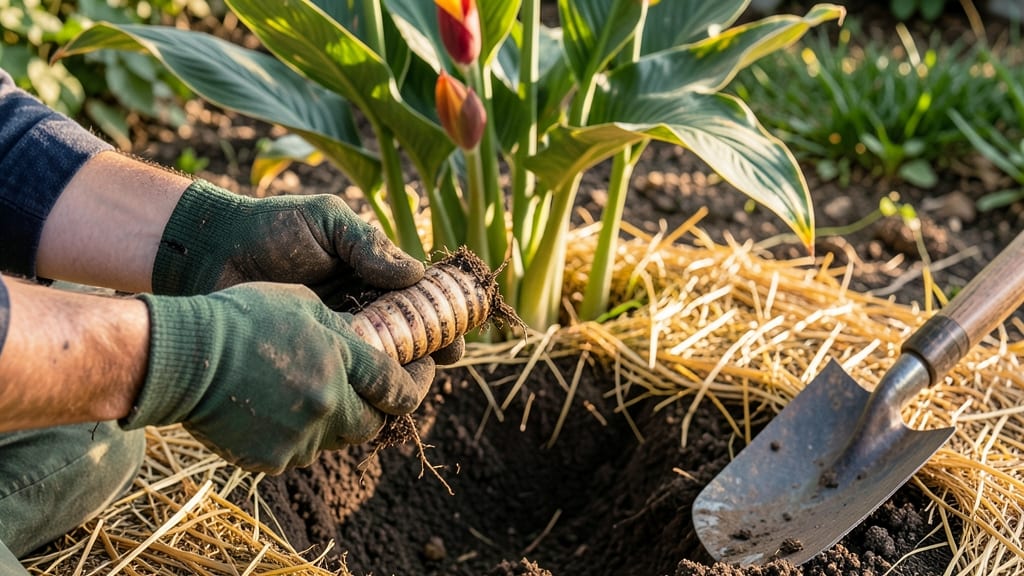
Planting canna bulbs in Illinois at the wrong time can mean the difference between a showstopping summer garden and a sad, frost-nipped disappointment. With Illinois' Zone 5-6 climate, timing isn't just important—it's everything, especially when you're waiting for those bold 🌺 canna blooms to light up your landscape.
Most gardeners make one of two mistakes: planting too early and risking frost damage, or waiting too long and missing the full growing season. The key is understanding your last frost date—typically around April 15—and giving your cannas enough warm soil to thrive.
Once temperatures consistently stay above 60°F, it's time to get those bulbs in the ground.
But here's what most guides won't tell you: Illinois' short growing season means you need to work with your climate, not against it.
I'll show you exactly when to plant—whether you're in northern Illinois where winters linger longer, or southern areas with an earlier spring kickoff—and how to stretch your canna season for maximum impact.
Ready to transform your garden into a tropical oasis without the guesswork? Let's dive into the precise planting schedule that'll have your cannas thriving from late spring through fall, even in Zone 5-6's unpredictable weather patterns.
Illinois canna planting deadlines by Zone 5-6: exact dates to avoid frost damage
Canna lilies thrive in Illinois’ warm summers, but their tropical roots make them extremely frost-sensitive. In USDA Zones 5-6, timing your planting between the last spring frost and first fall frost ensures vibrant blooms.
The average last frost date in Illinois hovers around April 15, but this shifts 1-2 weeks earlier in northern regions (Zone 5) and 1-2 weeks later in southern areas (Zone 6). Always verify with your local Almanac frost calendar—a late frost can devastate tender canna shoots.
For Zone 5 gardeners, aim to plant canna bulbs (or rhizomes) between May 1 and June 1. This window balances soil warmth (ideal: 60°F+) with frost risk.
In Zone 6, you can start as early as April 20, but wait until May 10 if nights remain chilly. Pro tip: Use a soil thermometer—cannas won’t sprout until soil hits 60°F consistently.
Missed the spring window? Container gardening extends your deadline. Plant cannas in large pots (12"+ diameter) anytime after Memorial Day, then move them indoors before October 15 (average first frost).
This trick lets you enjoy summer-long blooms even if you plant in June or July. Just ensure containers have drainage holes and use lightweight potting mix.
Here’s your frost-free planting timeline for Illinois, including backup dates for unpredictable years:
| Zone | Last Frost Date | Ideal Planting Window | Backup Window (Late) | First Frost Risk |
|---|---|---|---|---|
| Zone 5 (Northern IL) | April 15 | May 1–June 1 | June 1–July 15 | October 15 |
| Zone 6 (Southern IL) | April 25 | May 10–June 15 | June 15–July 30 | October 25 |
🌱 Pro Tip: Use black plastic mulch to warm soil faster—plant in warmed beds 1–2 weeks earlier!
Track real-time frost risks with the National Weather Service or Old Farmer’s Almanac apps. In Zone 5, a late frost in May can delay planting until June 1, but cannas still thrive if given 120+ frost-free days.
For Zone 6, early plantings in April may need frost cloth protection until soil warms.
Soil temperature matters more than air temperature. Test your garden beds with a soil thermometer—cannas won’t sprout until soil reaches 60°F. In cool springs, use black plastic mulch or straw bales to raise soil temps by 5–10°F.
This lets you plant 1–2 weeks earlier without frost risk. For container gardeners, place pots on heat-absorbing surfaces like dark gravel or paver stones.
Don’t panic if you plant late! Cannas are fast growers—even a July planting can produce blooms by August if given full sun and consistent water. Just avoid planting after August 15; cannas need 90–120 days to mature.
For Zone 5, dig up rhizomes before October 15; in Zone 6, they may survive a light frost but mulch heavily to protect them.
Mark your calendar for Memorial Day weekend—this is the safest bet for Illinois gardeners. By then, soil is warm, frost risk is minimal, and cannas will bloom nonstop until frost.
For maximum impact, pair cannas with dwarf sunflowers or black-eyed Susans to create a tropical border that thrives all summer.
Remember: Canna rhizomes (not bulbs!) store energy underground. Plant them 2–4 inches deep, 12–18 inches apart, and watch them shoot up in 2–3 weeks if conditions are right. With the right timing, your Illinois garden will burst with bold, tropical blooms from July to October.
5 Pro tips to extend your canna blooming season in Illinois’ short growing period
Illinois’ short growing season (just 165 frost-free days) can feel like a race against time for canna lovers. But with these 5 pro tips, you can push your tropical blooms well beyond the typical August-October window—even in Zone 5-6.
The key? Start early, protect late-season growth, and use containers for flexibility. Let’s dive into the strategies that work best in my Illinois garden.
First, warm your soil before planting. Cannas thrive when soil hits 60°F+, but Illinois’ spring can be slow to heat up. I use black plastic mulch or clear plastic tunnels over my beds 2-3 weeks before the last frost.
This trick adds 5-10°F to the soil, giving your cannas a head start. For extra insurance, plant in containers—they warm up faster than ground soil and can be moved indoors if frost threatens.
🌱
🌱 5 Pro Tips for Longer Canna Blooms in Illinois
- 1. Soil Warming: Use black plastic mulch or containers to raise soil temp to 60°F+.
- 2. Late-Season Mulch: Add 4-6 inches of straw in October to insulate rhizomes.
- 3. Container Flexibility: Plant in pots for easy indoor overwintering or late moves.
- 4. Fertilize Strategically: Use high-potassium fertilizer in August to boost blooms.
- 5. Overwinter Indoors: Dig up rhizomes before frost and store in dry peat moss.
Next, mulch like a pro to extend the season. After your cannas establish (around June 1), apply 4-6 inches of straw mulch around the base. This keeps roots 5-10°F warmer in fall, delaying dormancy.
In my Zone 6 garden, this simple step often adds 2-3 extra weeks of blooms. Pro tip: Avoid organic mulch like wood chips—it can compact and reduce airflow, inviting fungal issues.
Containers are my secret weapon for Illinois gardeners. Plant cannas in 10-12 inch pots filled with well-draining potting mix. Place them in full sun until late September, then move them to a sheltered porch or garage.
With grow lights (just 4-6 hours daily), you can coax blooms into November. I’ve even kept a few cannas alive indoors through winter as a tropical houseplant!
Don’t forget to feed for longevity. Switch to a high-potassium fertilizer (like 10-10-20) in August to encourage late-season blooms. I mix 1 tablespoon per plant into the soil and water it in. This boosts flower production just when other plants are winding down.
Pair this with deep watering every 2-3 days—cannas need 1L of water per plant to support their lush foliage and vibrant blooms.
Finally, overwinter your rhizomes to replant next spring. Before the first frost (usually mid-October in Illinois), dig up your cannas, shake off excess soil, and let them dry for 24 hours.
Store them in a cool, dark place (like a garage) wrapped in paper towels or nestled in dry peat moss. Check them monthly for rot—discard any mushy rhizomes. With this method, I’ve successfully replanted the same canna tubers for 3+ years!
☀️