
Plants
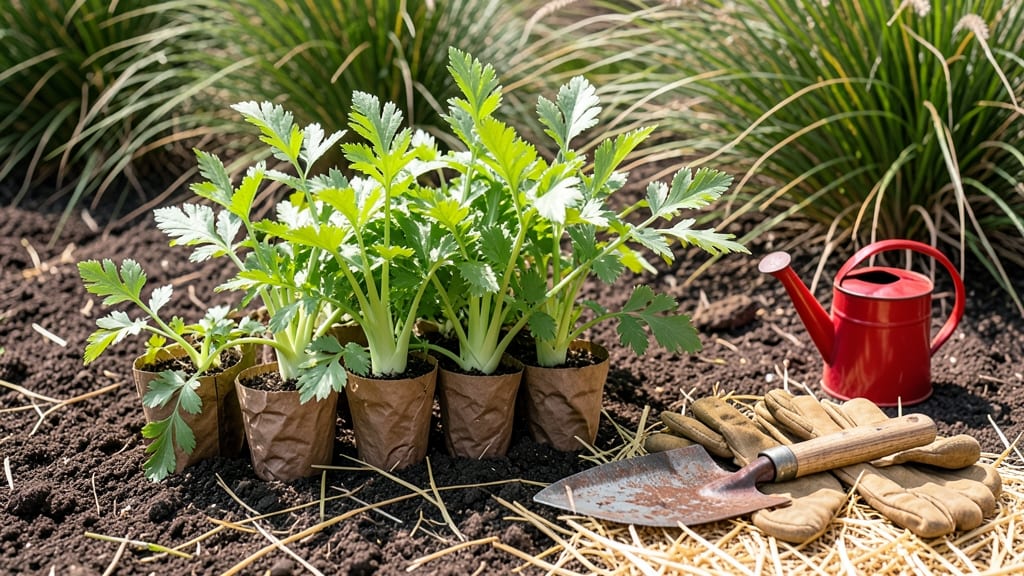
Timing your celery planting in Florida isn’t just about avoiding frost—it’s about beating the heat while the soil stays cool enough for those crisp stalks to thrive.
With 365 frost-free days, Florida’s climate gives you two prime windows to grow 🥬, but getting it wrong means bolting before harvest or struggling with heat stress.
Most gardeners in zones 9a-11 swear by fall planting—think September-October—when temperatures dip just enough for seedlings to establish roots before winter. But spring offers a second chance, too, with February-March dates that align perfectly with Florida’s natural cooling trends.
Here’s the game-changer: soil temperature matters more than calendar dates. Aim for 60-70°F soil to kickstart germination, and you’ll sidestep the summer slump where celery wilts faster than a snow cone in July.
I’ll break down exactly when to transplant, how to stretch your harvest window, and why shade cloth becomes your best friend in the hottest months.
Whether you’re a first-time gardener or a seasoned grower, these insights will help you turn Florida’s long growing season into bountiful celery harvests—no guesswork required.
Florida heat zone planting calendar for celery success
Florida’s warm climate means celery thrives year-round, but timing matters to avoid heat stress or premature bolting. Unlike northern states, Florida’s USDA zones 8A-10B eliminate frost concerns, but soil temperatures and humidity still dictate optimal planting windows.
For crisp, flavorful stalks, focus on fall and spring planting when temperatures stay mild.
Celery prefers cool soil (60-75°F) for germination and growth. In Florida’s heat zones, this means avoiding peak summer months (June-August) when soil can exceed 85°F. Instead, aim for September-October for fall harvests or February-March for spring crops. Coastal areas may extend these windows slightly due to moderating ocean breezes.
Here’s your heat zone-specific planting calendar with ideal transplant dates and soil temperature thresholds:
| Heat Zone | Ideal Planting Window | Soil Temp (°F) | Transplant Dates | Harvest Window |
|---|---|---|---|---|
| 8A (North FL) | Late Aug - Oct | 60-70°F | Sep 15 - Oct 15 | Dec - Jan |
| 9A (Central FL) | Sep - Nov | 65-75°F | Sep 1 - Oct 31 | Nov - Feb |
| 10A (South FL) | Aug - Dec | 70-80°F | Aug 15 - Nov 15 | Oct - Mar |
| Spring Planting (All Zones) | Feb - Mar | 60-70°F | Feb 15 - Mar 15 | May - Jun |
For direct sowing (planting seeds directly in garden beds), add 4-6 weeks to these transplant dates. Seeds germinate best in consistently moist, 60-70°F soil. Use a soil thermometer to monitor—celery seeds won’t sprout in soil above 80°F.
In Zone 10B, you can even try winter planting (Dec-Jan) for early spring harvests.
Pro tip: Start seeds indoors 8-10 weeks before transplanting to give seedlings a head start. Use grow lights if natural light is limited, and harden off seedlings for 7-10 days before moving them outdoors. This is especially useful for Zone 8A gardeners who face slightly cooler nights.
Remember, celery is a cool-season crop, so avoid planting during Florida’s hottest months (June-July). Even with shade, temperatures above 90°F can cause bolting (premature flowering) and bitter stalks. Instead, use these windows to grow other heat-tolerant vegetables like okra or sweet potatoes.
If you’re in coastal Florida, take advantage of ocean breezes to extend your growing season slightly. Plant succession crops every 3-4 weeks during the ideal windows to ensure a steady supply of fresh celery.
For example, in Zone 9A, you could have three harvests by planting on September 1, October 1, and November 1.
Always choose disease-resistant varieties like 'Tall Utah' or 'Golden Self-Blanching' for Florida’s humid conditions. These varieties handle high humidity better than standard types and produce crispier stalks in our climate. Pair them with well-draining soil and partial shade to maximize success.
🌱
Florida heat zone planting calendar for celery success
Celery thrives in Florida’s mild winters but struggles with summer’s intense heat and humidity. Unlike northern states, Florida’s frost-free growing season spans nearly year-round, but celery still needs cooler temperatures (60-75°F) to grow properly.
The key is planting during transition months when temperatures are moderate—either late summer/early fall or late winter/early spring.
Florida’s USDA Hardiness Zones 8A-10B create microclimates with slight variations in heat tolerance. Coastal areas (like Miami) stay warmer longer, while inland zones (like Orlando) may experience cooler nights that benefit celery growth.
Always check your local frost dates—though rare, unexpected cold snaps can still occur in Zone 8A.
| Heat Zone | Best Planting Window | Soil Temp (°F) | Harvest Time |
|---|---|---|---|
| 8A (North FL) | Late Aug - Early Oct | 65-75°F | Dec - Jan |
| 9A (Central FL) | Mid-Aug - Mid-Oct | 68-72°F | Nov - Feb |
| 10A (South FL) | Early Sept - Late Nov | 70-75°F | Dec - Mar |
| Spring Planting | Feb - Early Mar | 65-70°F | May - June |
For direct sowing, aim for soil temperatures between 65-75°F. Use a soil thermometer to monitor—celery seeds won’t germinate well in hotter soils (>80°F).
In Zone 10B, you can even try winter planting (Dec-Jan) for harvests in late spring, but protect seedlings with light shade cloth if temperatures dip below 60°F.
Transplants are easier for Florida gardeners. Buy 6-week-old celery starts from nurseries and set them out when daytime highs are consistently below 85°F. In Zone 8A, this means waiting until late September—earlier plantings risk bolting (premature flowering) from heat stress.
Always harden off transplants for 5-7 days before planting to reduce shock.
Pro tip: Use black plastic mulch to warm soil faster in spring or shade cloth to cool it in summer. This gives you a 2-3 week window to extend planting seasons. Just remember—celery hates standing water, so amend heavy clay soils with compost to improve drainage.
Timing is everything with celery in Florida. Plant too early in Zone 8A, and you’ll battle humidity and pests. Plant too late, and you’ll face summer’s brutal heat. Stick to these heat zone guidelines, and you’ll enjoy crisp, homegrown celery nearly year-round! 🥬