
Plants
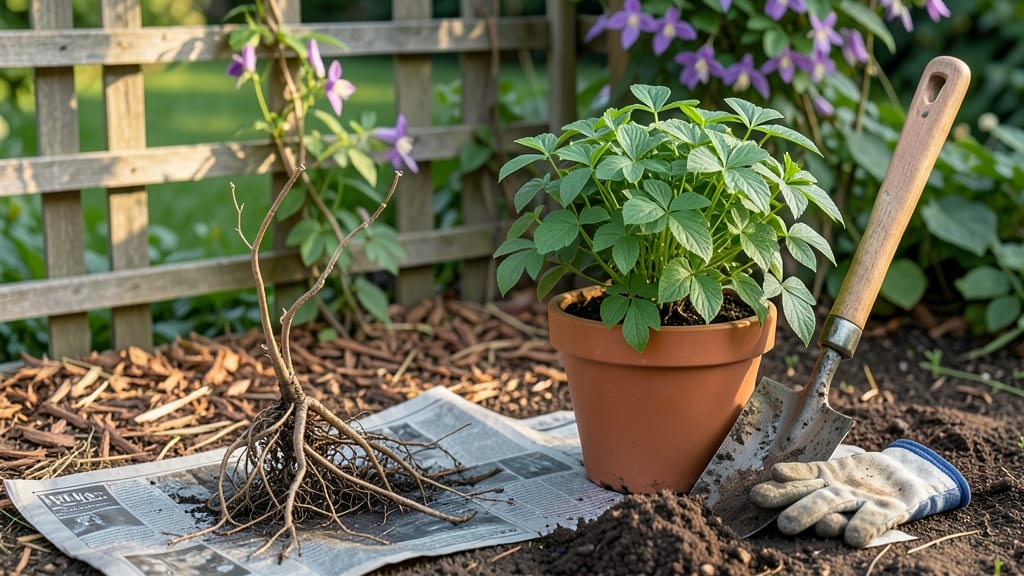
If you're dreaming of your garden bursting with 🌸 clematis blooms but aren’t sure when to plant them in Indiana, timing is the key to success.
In Zone 6a-6b, where frosts can linger into April and creep back by October, getting it right means the difference between thriving vines and lost potential.
Most Indiana gardeners swear by planting clematis in early spring—after the last frost date (typically mid-April)—or in fall, when soil temperatures cool but before the ground freezes.
This frost-free window gives roots time to establish before extreme temperatures arrive, ensuring your 8-to-20-foot vines take hold for years to come.
But here’s the catch: Indiana’s microclimates can vary wildly, from urban heat islands to rural chill zones. Whether you’re planting in containers or directly in the ground, we’ll break down the exact month-by-month strategy to maximize your clematis’ chances—so you’re not left waiting for blooms that never come.
Let’s dive into the best planting schedule, soil prep tips, and how to protect your vines from Indiana’s unpredictable spring weather—so you can enjoy those stunning flowers starting next season.
Optimal clematis planting timeline for Indiana’s Zone 6a-6b climate
Indiana’s Zone 6a-6b climate offers two prime windows for planting clematis—early spring and fall. The key is avoiding frost, which can damage tender roots.
For spring, aim for after the last frost date (typically mid-April), while fall planting should wrap up by early October to allow roots to establish before winter.
Clematis thrives when planted during its dormant season. In Indiana, this means late winter to early spring (February-March) or early fall (September-October). These windows give roots time to settle before extreme temperatures hit. Never plant in summer—the heat stresses young plants.
Your local microclimate matters too. Urban areas may warm faster than rural spots, so check your specific last frost date using the USDA Plant Hardiness Zone Map or local gardening resources. For example, southern Indiana (Zone 6b) can plant 1-2 weeks earlier than northern areas (Zone 6a).
Here’s a quick reference for Indiana’s frost-free window:
| Season | Planting Window | Key Consideration |
|---|---|---|
| Spring | Mid-April to early May | Wait until soil warms to 50°F+. |
| Fall | Late September to early October | Plant 6-8 weeks before first frost. |
| Avoid | June-August | Heat stress kills young roots. |
For container-grown clematis, timing shifts slightly. You can plant 1-2 weeks earlier in spring or 2 weeks later in fall since pots warm/cool faster than ground soil. Just ensure your containers have drainage holes to prevent root rot during Indiana’s humid summers.
Pro tip: Use a soil thermometer to confirm ground temps. Clematis roots struggle below 45°F, so don’t rush planting if nights are still chilly. Patience now means bigger blooms later.
Indiana’s unpredictable spring weather can throw off even the best-laid plans. That’s why I recommend hardening off nursery-bought clematis for 7-10 days before planting. Acclimate them to outdoor temps by placing them in partial shade during the day and bringing them in at night.
If you’re planting in fall, focus on root establishment rather than top growth. Choose a cloudy day to reduce transplant shock, and water deeply before and after planting. Mulch with 2-3 inches of organic matter (like shredded leaves) to insulate roots over winter.
Remember: Clematis planted in fall often outperforms spring plantings because it gets an extra growing season before blooming. Just avoid planting after October 15th—new roots won’t have time to harden off before Indiana’s first frost.
🌸
Optimal clematis planting timeline for Indiana’s Zone 6a-6b climate
Indiana’s Zone 6a-6b climate offers two prime windows for planting clematis: early spring and fall. Timing matters because clematis roots need time to establish before summer heat or winter frost arrives.
For most of Indiana, the last average frost date falls around April 15, while the first frost typically hits by October 15. This gives you a 165-day frost-free window—perfect for root development.
Spring planting is ideal if you start 4-6 weeks before the last frost, usually between March and early April. This allows roots to establish before summer’s peak heat.
Fall planting, on the other hand, works best 6-8 weeks before the first frost, typically September through early October. Fall-planted clematis benefits from cooler soil temperatures, reducing transplant shock.
Here’s a quick reference for Indiana’s frost-free window and planting timing:
| Season | Planting Window | Key Consideration |
|---|---|---|
| Spring | March–Early April | Plant 4-6 weeks before last frost (avg. April 15). |
| Fall | September–Early October | Plant 6-8 weeks before first frost (avg. Oct 15). |
| Microclimates | Adjust by 1-2 weeks | Warmer microclimates (e.g., urban areas) may extend windows. |
Indiana’s microclimates can shift planting windows by 1-2 weeks. For example, southern Indiana (e.g., Louisville) may have 2-3 weeks earlier last frost dates, while northern Indiana (e.g., Gary) could face late-May frosts.
Check your local USDA Plant Hardiness Zone Map or consult a nearby Cooperative Extension office for precise adjustments.
If you’re planting in containers, timing is less critical, but still aim for spring or early fall. Containers warm up faster in spring, so start 2-3 weeks earlier than ground planting. In fall, avoid planting later than September to allow roots to establish before winter dormancy.
Pro tip: Hardening off container-grown clematis is key. Acclimate plants to outdoor conditions over 7-10 days before transplanting, especially if starting indoors or buying from nurseries. This reduces shock and improves survival rates in Indiana’s unpredictable spring weather.
🌸