
Plants
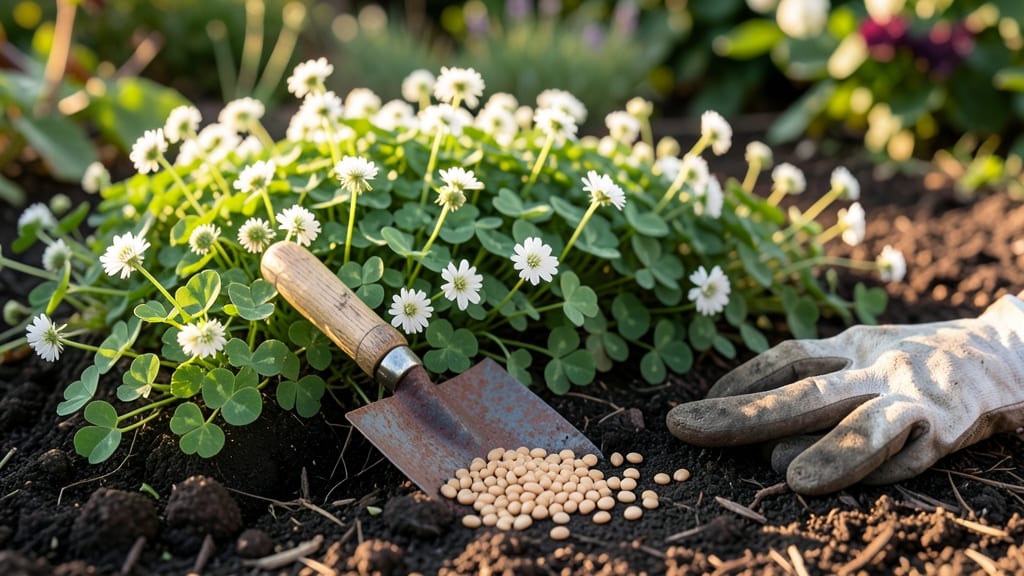
If you’ve ever watched your clover plants wilt under Louisiana’s scorching summer sun, you know timing is everything. Planting clover in Louisiana at the wrong time means battling heat stress, poor establishment, and wasted effort—especially in zones 8a-9b where the heat peaks early.
Here’s the secret: The best window to plant 🌱 clover is late summer to early fall, when soil temperatures drop below 85°F. This gives your cover crop time to root deeply before winter sets in, ensuring a fast and resilient growth spurt by spring.
But not all clover varieties thrive equally in Louisiana’s humidity and clay-heavy soils. White clover, for example, handles our wet springs better than red clover, while subterranean clover loves the cooler fall months. Let’s break down the exact deadlines by heat zone and variety to maximize your success.
Ready to transform your yard into a lush, low-maintenance green space? I’ll show you how to prep your soil, pick the right clover type, and avoid the 3 biggest mistakes that kill clover in Louisiana—so you can enjoy a thriving cover crop year-round.
Louisiana heat zone planting deadlines for clover success
Louisiana’s humid subtropical climate creates tight windows for planting clover varieties. In USDA zones 8a-9b, heat and humidity can quickly overwhelm young clover plants, making timing critical.
The key is planting when soil temperatures drop below 85°F—typically in early fall or late winter—to avoid summer’s brutal heat. Let’s break down the best planting deadlines by variety and heat zone.
For North Louisiana (zones 8a/8b), frost dates are later, so you have slightly more flexibility. In South Louisiana (zone 9a), the window is narrower due to earlier heat spikes.
White clover thrives in cooler conditions, while red clover handles slightly warmer soils. Subterranean clover is best for fall planting in both regions.
🌱
🌱 Louisiana Clover Planting Deadlines by Heat Zone
| Heat Zone | Best Planting Window | Deadline for Fall Planting | Deadline for Spring Planting | Best Variety |
|---|---|---|---|---|
| Zone 8a (North LA) | Early September - Mid-October | October 15 | Mid-February - Early March | White Clover |
| Zone 8b (Central LA) | Late August - Early October | October 1 | Late January - Early March | Red Clover |
| Zone 9a (South LA) | Mid-August - September 15 | September 30 | Early February - Mid-March | Subterranean Clover |
⚠️ Pro Tip: Plant white clover in early September for winter cover, and red clover in late winter for spring blooms.
If you miss the fall window, don’t panic—late winter planting works too, but aim to finish by early March before soil warms too quickly. In South Louisiana (zone 9a), the window is tighter, so act fast after August 15 to avoid summer heat stress.
For North Louisiana (zone 8a), you have until mid-October for fall planting.
For subterranean clover, focus on August-September planting—this variety handles Louisiana’s heat better than others but still needs cooler soils to establish. If you’re planting for pollinators or erosion control, prioritize white clover in fall and red clover in spring.
Soil temperatures are your best guide—use a soil thermometer to confirm readings below 85°F before planting. In Louisiana, this usually aligns with late summer to early fall, but timing can shift yearly. Check local agricultural extension reports for real-time updates on heat zones.
🌿
Once planted, mulch heavily (2-3 inches) to retain moisture and cool roots. Louisiana’s clay-heavy soils can bake young clover plants, so mulching with straw or pine needles is a game-changer. Pair this with drip irrigation to avoid fungal risks from overhead watering.
🌡️
Remember: heat stress is the #1 killer of clover in Louisiana. If you plant too late in spring, seedlings may bolt or fail entirely. For best results, stick to the deadlines above and monitor soil temps closely.
With the right timing, your clover will establish a lush, nitrogen-rich cover that thrives in Louisiana’s climate.
Louisiana heat zone planting deadlines for clover success
Louisiana’s USDA heat zones (8a-9b) create distinct windows for planting clover. In North Louisiana (Zone 8a), cooler temperatures arrive earlier, while South Louisiana (Zone 9a/9b) stays hot longer.
Missing these deadlines means clover struggles with heat stress or fails to establish before summer’s peak. Let’s break down the best times to plant by variety and zone.
For white clover, the ideal window is early September to mid-October—this gives roots time to establish before winter.
In Zone 9a/9b, extend planting to mid-November if soil temps stay above 60°F. Red clover thrives when planted late winter (February) or early spring (March) before soil warms beyond 75°F.
Here’s your heat zone deadline guide for Louisiana clover planting:
| Zone | Best Planting Window | Variety | Avoid After |
|---|---|---|---|
| 8a (North LA) | Early Sept–Mid-Oct | White Clover | Nov 15 |
| 8a (North LA) | Feb 1–March 15 | Red Clover | April 1 |
| 9a/9b (South LA) | Sept 15–Nov 15 | White Clover | Dec 1 |
| 9a/9b (South LA) | Jan 1–Feb 28 | Subterranean Clover | March 15 |
In Zone 8a, aim for fall planting—this lets clover establish roots before winter dormancy.
For Zone 9a/9b, extend your window into late fall since cooler temps arrive later. Subterranean clover is a great choice for South Louisiana due to its drought tolerance and ability to handle humidity.
Pro tip: Use a soil thermometer to confirm temps are below 85°F before planting. If soil stays hotter than this, clover seeds may rot before germinating. Morning planting (before 10 AM) reduces heat stress on young seedlings.
Missed the fall window? Late winter (February) is your second chance—just ensure frost risk has passed (after mid-March in most of Louisiana). For pollinator support, prioritize white clover in fall—its flowers bloom early and attract bees before other plants wake up.
Timing isn’t just about months—it’s about soil conditions, variety hardiness, and microclimates.
In humid South Louisiana, fungal risks rise in summer, so avoid planting red clover after April 1—it bolts quickly in heat. White clover handles humidity better, making it a safer bet for late fall.