
Plants
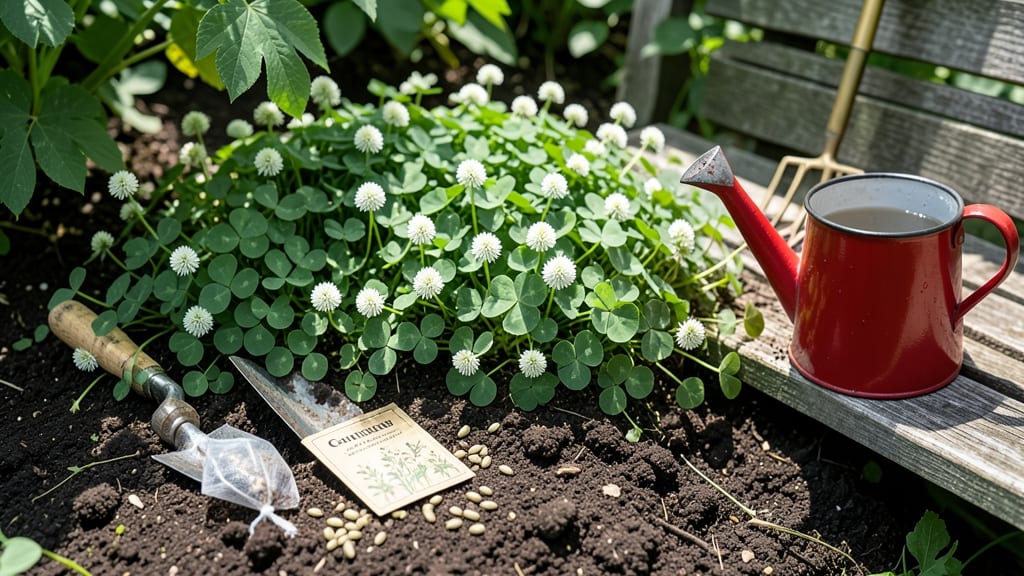
Timing your clover planting in spring can make the difference between a thriving, nitrogen-rich lawn and a patchy disappointment. The key? Planting after the last frost—but before the soil overheats. In USDA Zone 6, that’s typically early to mid-spring, when temperatures consistently stay above 50°F.
Why does this matter? Clover seeds need warmth to germinate but can’t handle scorching heat. If you plant too early, frost will kill tender sprouts. Too late, and you risk drought stress.
The sweet spot? Aim for April or early May in most regions, adjusting based on your local frost dates.
I’ll show you exactly how to time it right, from checking soil temps to choosing the best varieties for your climate. Whether you’re seeding a lawn or a garden bed, these practical tips will help you avoid common mistakes and get that lush, green cover growing strong.
Ready to transform your soil? Let’s dive into the perfect planting window for your 🌱 clover—so you can enjoy faster growth and healthier plants all season long.
Optimal spring planting dates for clover by US hardiness Zone
Planting clover at the right time in spring ensures fast germination and thick growth. The key is waiting until after your last frost date—but not so late that summer heat arrives. I’ve broken down the best weekly windows by USDA zones to help you time it perfectly.
For most gardeners in Zones 3-5, aim for late April to early May. In warmer Zones 6-9, you can start as early as mid-March or stretch planting into June. The goal is to give clover seeds 50°F soil and consistent warmth for 2-3 weeks straight.
Here’s a quick reference for your zone—adjust based on your local frost data and whether you’re planting early or late varieties:
If you’re in Zone 3-4, consider staggered planting—sow half your seeds in late May and the rest in early June. This gives you two harvests instead of one. For Zones 7-10, you can even plant fall clover in September for winter cover.
Pro tip: Check your local cooperative extension service for exact frost dates. Even within a zone, microclimates (like valleys or urban heat islands) can shift planting by 2-3 weeks. For example, Denver (Zone 5) might be ready by April 15, while Boulder (Zone 6) could start in March.
Once you’ve nailed the timing, focus on soil prep. Clover thrives in loamy, slightly acidic soil (pH 6.0-7.0). Work in compost or aged manure 2-3 weeks before planting to give roots a nutrient boost. Avoid fresh manure—it can burn seeds.
After planting, keep the soil moist but not soggy until germination (about 7-14 days). Thin seedlings to 6 inches apart once they’re 2 inches tall to prevent overcrowding. This spacing ensures better airflow and reduces disease risk.
For companion planting, pair clover with carrots, radishes, or lettuce. The clover’s nitrogen-fixing roots enrich the soil, giving these shallow-rooted crops a nutrient boost. Just avoid planting near onions or garlic, which can stunt clover growth.
Remember: Clover is a perennial in most zones, so once established, it’ll self-seed and return year after year. The sooner you plant within your frost-free window, the sooner you’ll enjoy lush, pollinator-friendly ground cover.
🌱
How soil temperature affects clover germination (and when to adjust)
Clover seeds are picky about soil temperature—plant them too early when the ground is still cold, and you’ll waste seeds on slow or failed germination. But get the timing right, and you’ll see those first tiny leaves popping up in just 7-14 days.
The sweet spot for clover germination is between 45°F and 75°F, with 60°F+ being ideal for fastest sprouting.
Most gardeners in the USDA Zones 5-8 can start planting clover once soil temperatures consistently stay above 50°F. In colder zones (3-4), wait until the ground warms to 55°F—even a few degrees difference can mean the difference between thriving clover and a sad, patchy lawn.
Here’s the kicker: soil temperature lags behind air temperature. A sunny 70°F afternoon might feel perfect, but your soil could still be hovering at 55°F if it’s been cloudy or rainy.
That’s why I always check soil temp with a soil thermometer (or bury a regular thermometer for 24 hours) before planting.
| Soil Temp Range (°F) | Germination Speed | Best for Planting? | Action Needed |
|---|---|---|---|
| Below 45°F | Very slow or none | ❌ Avoid planting | Wait for warmer soil |
| 45°F–55°F | Slow (14–21 days) | ⚠️ Possible, but risky | Use cold frame or mulch |
| 55°F–75°F | Fast (7–14 days) | ✅ Ideal planting window | Plant and mulch lightly |
| Above 75°F | Fast, but seeds dry out | ⚠️ Possible, but high risk | Plant in shade or water deeply |
If your soil is still too cold when you’re ready to plant, don’t panic. You can accelerate warming by removing winter mulch, tilling bare soil to expose darker top layers, or using black plastic mulch for a few days to absorb heat.
For late spring plantings, shade cloth can protect tender seedlings if temperatures spike above 80°F.
Pro tip: If you’re in a warmer zone (9-10), you can plant clover as early as February, but be prepared to water frequently to prevent soil from drying out.
In colder zones (3-4), hold off until late May to avoid frost damage—even a light freeze can kill young clover plants.
Always monitor your soil’s moisture too. Clover seeds need consistent moisture to germinate, but soggy soil can rot them. Aim for evenly damp (not waterlogged) conditions until seedlings are 1 inch tall.