
Plants
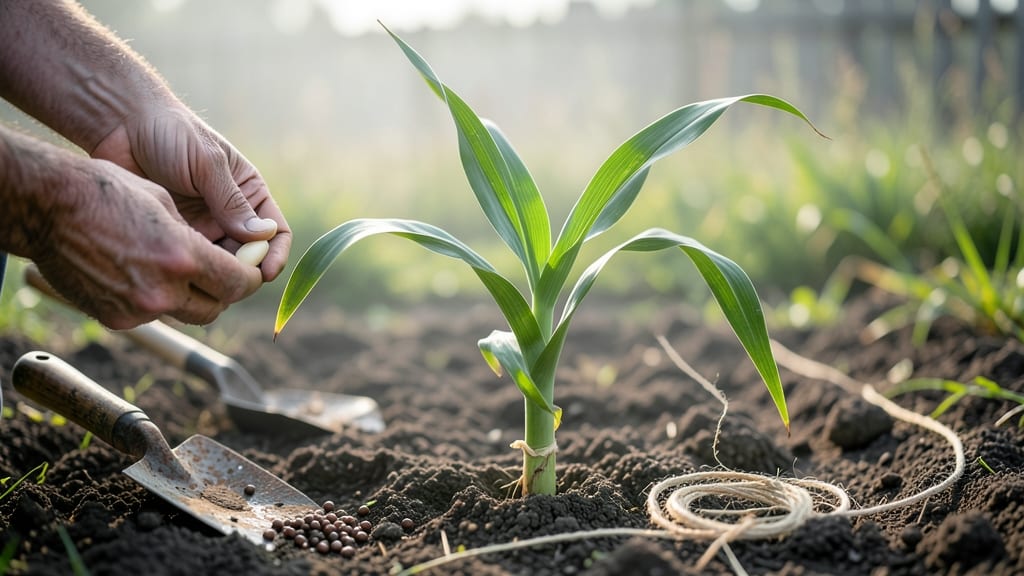
Timing your corn planting in Zone 7a could mean the difference between a bumper crop of sweet 🌽 and wasted effort. The narrow window between frost risks and peak growing conditions demands precision—get it right, and you'll enjoy golden ears by summer's end.
Most gardeners in 7a know the struggle: plant too early, and frost zaps tender seedlings; too late, and you miss the ideal 60- to 90-day growing window. The key is waiting until soil temperatures hit 50°F+ and the last frost has passed—typically mid-April to early May.
I’ve learned that even a few days off can set your harvest back weeks, so I’ll break down exactly when to start seeds indoors (or direct-sow) for maximum yield. Plus, I’ll share my go-to tricks for extending the season and avoiding common pitfalls.
Ready to turn your Zone 7a garden into a corn patch that rivals the pros? Let’s dive into the frost-free timeline that’ll have you harvesting plump, juicy ears all summer long.
Zone 7a corn planting dates: exact frost-free timeline for sweet corn
Zone 7a gardeners know that corn thrives in warmth but wilts under frost. The average last frost date in Zone 7a is around April 15, but this can vary by 5-7 days depending on microclimates.
Planting too soon risks seed rot or stunted growth, while waiting too long cuts harvest time short.
For sweet corn, aim to plant when soil temperatures reach 50°F+—a critical threshold for germination. Use a soil thermometer to confirm; cool soils delay sprouting and invite pests. In my experience, mid-April to early May is the sweet spot for Zone 7a’s 165-day frost-free season.
Here’s the golden window for planting: April 20–May 10. This timeline ensures corn reaches maturity before the first frost (typically October 15) and avoids the dog days of summer when heat stress can reduce yields.
If you’re using quick-maturing varieties (70–80 days), you can push planting to late May for a late-summer harvest. However, late varieties (90+ days) need that early start to avoid bolting—when corn produces seed prematurely due to stress.
| Stage | Action | Zone 7a Timeline |
|---|---|---|
| Soil Prep | Test pH (6.0–7.0), add compost | March–April |
| Planting | Seeds 1–1.5" deep, 4–6" apart | April 20–May 10 |
| Germination | Soil temp ≥50°F, 7–14 days | Late April–May |
| Harvest | Silks brown, kernels milky | Late July–October |
| First Frost | Avoid frost damage | October 15 |
Pro tip: Stagger planting by 2 weeks for a continuous harvest. For example, plant half your seeds on April 25 and the rest on May 10. This spreads out maturity and reduces waste if pests strike one batch.
Watch for false springs—those warm spells in March that trick you into planting early. Corn seeds won’t germinate below 50°F, so resist the urge to start before mid-April. I’ve learned this the hard way: patience pays off with bigger ears!
In Zone 7a, fall planting is risky for corn due to the short season. While some gardeners try late-summer sowings, the 90-day minimum for most varieties leaves little room for error.
If you’re set on a fall crop, choose super-early varieties like ‘Early Sunglow’ (70 days) and plant by July 15 at the latest.
Use a planting calendar or local frost date tracker (like the Old Farmer’s Almanac) to fine-tune your schedule. In my garden, I mark the last frost date on my calendar and count backward from the harvest window to determine planting day.
Remember: Corn loves heat, but it also needs consistent moisture during pollination (when tassels appear). Plan to water deeply 2–3 times per week once plants are established to avoid ear rot or poor kernel fill.
How to adjust corn planting for early vs. late varieties in Zone 7a
Zone 7a gardeners face a unique challenge: balancing short growing seasons with corn's long maturity times. Early varieties (70-80 days) like 'Silver Queen' or 'Early Sunglow' mature faster, while late varieties (90+ days) like 'Peaches and Cream' produce larger ears but need more time.
Your choice directly impacts your harvest window and yield potential.
Early varieties are your best bet for staggered planting in Zone 7a. Plant them 2-3 weeks earlier (early April) to ensure they mature before the first frost. Late varieties, however, should wait until mid-May to avoid bolting—when plants produce tassels but no ears due to stress.
This timing ensures they reach maturity by late September.
Here’s how to maximize your corn harvest with variety-specific strategies:
| Variety Type | Planting Window | Maturity Time | Harvest Window | Key Tip |
|---|---|---|---|---|
| Early (70-80 days) | Early April | July-August | Late July-early September | Plant in blocks for better pollination |
| Mid (80-90 days) | Mid-April | August-September | Late August-early October | Use mulch to retain soil moisture |
| Late (90+ days) | Mid-May | September-October | Late September | Choose disease-resistant varieties |
For a continuous harvest, try succession planting. Sow early varieties first, then follow with mid-season types 2 weeks later, and late varieties 3 weeks after that.
This spreads out your harvest and reduces waste. Just ensure all varieties get full sun (6+ hours daily) and well-draining soil to thrive.
Pro tip: Monitor soil temperatures—corn needs 50°F+ to germinate. Use a soil thermometer to avoid planting too early. If nights dip below 55°F, cover seedlings with frost cloth for protection until they’re established.
Late varieties may seem risky in Zone 7a, but with the right timing and care, they can yield larger, sweeter ears. Just be prepared to harvest aggressively before frost hits. Start checking for readiness in late September—ears are ready when silks turn brown and kernels are plump.
Experiment with 1-2 varieties per season to find what works best in your microclimate. Keep notes on what thrives, and adjust your planting schedule yearly for peak corn success in Zone 7a! 🌽