
Plants
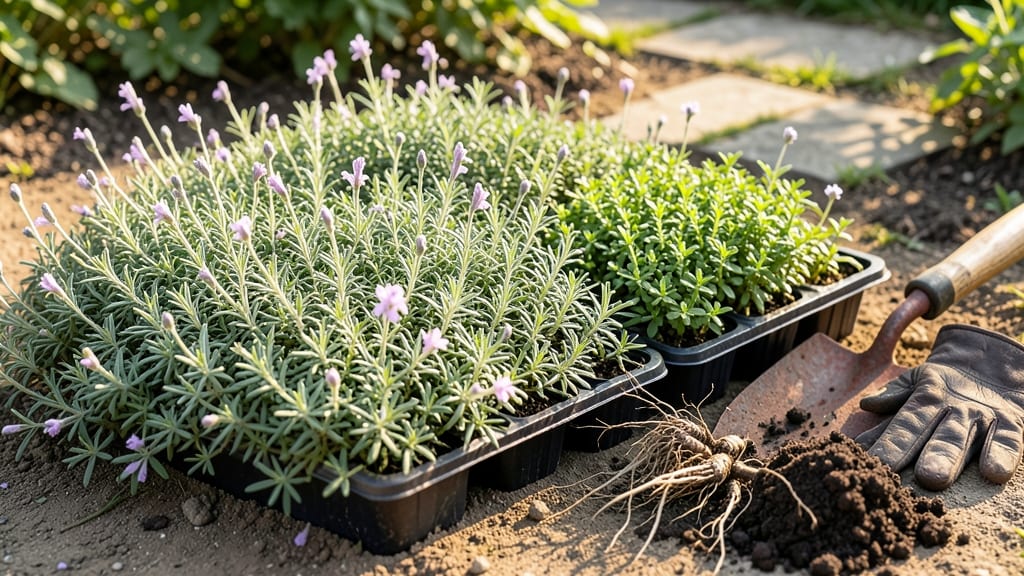
Timing your creeping thyme planting in Colorado could mean the difference between lush, fragrant ground cover and a sad, frost-bitten disappointment. This hardy little herb thrives in Zones 5-7, but getting the window right—whether you're in Denver's 5b-6a or Colorado Springs' 5b—requires knowing exactly when to act.
Most gardeners swear by early spring (March-April) as the prime time to plant 🌿 creeping thyme, but fall (September-October) offers a second chance for those who missed the spring rush. The key?
Waiting until the soil warms enough to support root growth—usually after your last frost date, which can vary wildly from April 15 in Denver to April 20 in Colorado Springs.
Why does this matter? Creeping thyme is tough, but it’s not invincible. Plant too early, and a late frost will nix your efforts before they begin. Too late, and your plants may struggle to establish before winter sets in.
I’ll show you how to read your local microclimate clues—like soil temperature and overnight lows—to nail the perfect planting window every time.
Ready to turn your Colorado yard into a fragrant, low-maintenance carpet? Let’s break down the exact frost-free timeline by zone, plus pro tips to protect your thyme from Mother Nature’s curveballs. Your year-round harvest starts with getting this one step right.
Creeping thyme planting timeline by Colorado hardiness Zones 5-7
Colorado’s USDA Zones 5-7 create unique challenges for planting creeping thyme. The Front Range (Denver, Boulder) typically warms up 2-3 weeks earlier than the Western Slope (Grand Junction, Aspen). Timing your planting to avoid late spring frosts (common until May 1 in high-altitude areas) is critical for survival.
In Zone 5 (e.g., Denver, Colorado Springs), aim for March 20–April 15 after the last frost date. Zone 6 (e.g., Fort Collins, Greeley) can start slightly earlier, around March 10–April 10, while Zone 7 (e.g., Albuquerque, southern Colorado) has a longer window from February 20–April 30.
Fall planting is also ideal in Colorado, with September 1–October 15 being the safest window. This allows roots to establish before winter dormancy. However, avoid planting after October 15 in Zone 5, as young plants may not harden off before the first frost.
Soil temperature is just as important as air temperature. Creeping thyme thrives when soil reaches 50°F (10°C). Use a soil thermometer to confirm readiness—planting too early in cold soil can stunt root growth. In high-altitude areas (e.g., Aspen, Leadville), wait until soil warms consistently above 45°F (7°C).
Microclimates matter. Urban areas like Denver warm up faster than rural zones, while mountain valleys (e.g., Eagle County) stay cooler longer. Adjust your timeline by 1-2 weeks based on your specific elevation and local frost history. Check your local cooperative extension office for precise frost dates.
Here’s a quick reference for Colorado’s frost-free windows by zone, including soil temperature thresholds and regional adjustments:
| Zone | Last Frost Date | Ideal Planting Window | Soil Temp Threshold | Fall Planting Window | Regional Adjustment |
|---|---|---|---|---|---|
| Zone 5 (Denver, Colorado Springs) | April 15 | March 20–April 15 | 50°F (10°C) | September 1–October 15 | Wait 1-2 weeks in high-altitude areas (e.g., Aspen) |
| Zone 6 (Fort Collins, Greeley) | April 1 | March 10–April 10 | 50°F (10°C) | September 15–October 20 | Urban areas warm up faster; adjust for rural zones |
| Zone 7 (Albuquerque, southern CO) | March 15 | February 20–April 30 | 50°F (10°C) | September 10–November 1 | Longer growing season; monitor for early frosts |
For container gardening in Colorado, you can push the envelope slightly. Start seeds indoors 6-8 weeks before your last frost date (e.g., February 1 for Zone 5) and transplant after the frost-free window opens. Containers warm up faster, giving you a 2-week head start on ground plantings.
If you’re in a high-altitude microclimate (e.g., above 7,000 feet), consider using row covers or cold frames to extend your spring planting window. These tools can protect young plants from late frosts while allowing soil to warm gradually.
Just remove covers once temperatures stabilize above 50°F (10°C) during the day.
Pro tip: Mulch heavily after planting to retain soil warmth and moisture. Use straw or pine needles (avoid wood chips, which can compact). This is especially critical in Zone 5, where soil can stay cold well into May. Mulch also suppresses weeds, giving your creeping thyme a competitive edge.
Remember, creeping
Signs your Colorado soil is ready for creeping thyme (and when to wait)
Colorado’s unpredictable spring weather can leave even experienced gardeners guessing about soil readiness. Creeping thyme thrives in well-draining soil with temperatures above 50°F (10°C), but rushing too early risks frost damage. Check these key indicators before planting to ensure success.
First, test your soil temperature with a soil thermometer—aim for 55-60°F (13-15°C) at a depth of 2-3 inches. If temperatures dip below 50°F (10°C) at night, wait another week. Cold soil slows root growth, leaving young plants vulnerable to stress.
Next, monitor moisture levels—creeping thyme dislikes soggy soil. After a rain, dig a small hole and check if the soil feels damp but not waterlogged. If it’s bone-dry, water deeply 2-3 days before planting to help roots establish faster.
Overly dry soil can shock young plants, so aim for consistent moisture without saturation.
Pay attention to overnight lows in your area. Use the National Weather Service or local CoCoRaHS reports to track trends. In Zone 5 (e.g., Denver), wait until mid-April when lows consistently stay above 40°F (4°C).
In Zone 7 (e.g., Grand Junction), you can plant as early as late March, but verify with a frost forecast.
Finally, test drainage by pouring a gallon of water on a patch of soil. If it pools for more than 2 hours, amend with sand or compost to improve airflow.
Creeping thyme’s shallow roots need oxygen—poor drainage leads to rot, especially in Colorado’s clay-heavy soils. A quick fix? Plant on a slope or raised bed for better water runoff.
If conditions aren’t ideal, extend your planting window with row covers or cold frames. These create a microclimate that warms soil faster, letting you plant creeping thyme 2-3 weeks earlier in spring. Just remove covers once nighttime lows stabilize above 45°F (7°C) to prevent overheating.
Pro tip: Plant in containers or hanging baskets for added flexibility. You can move them to sheltered spots during late frosts or bring them indoors if a hard freeze (below 25°F) is forecasted. This gives you extra control over growing conditions in Colorado’s variable climate.