
Plants
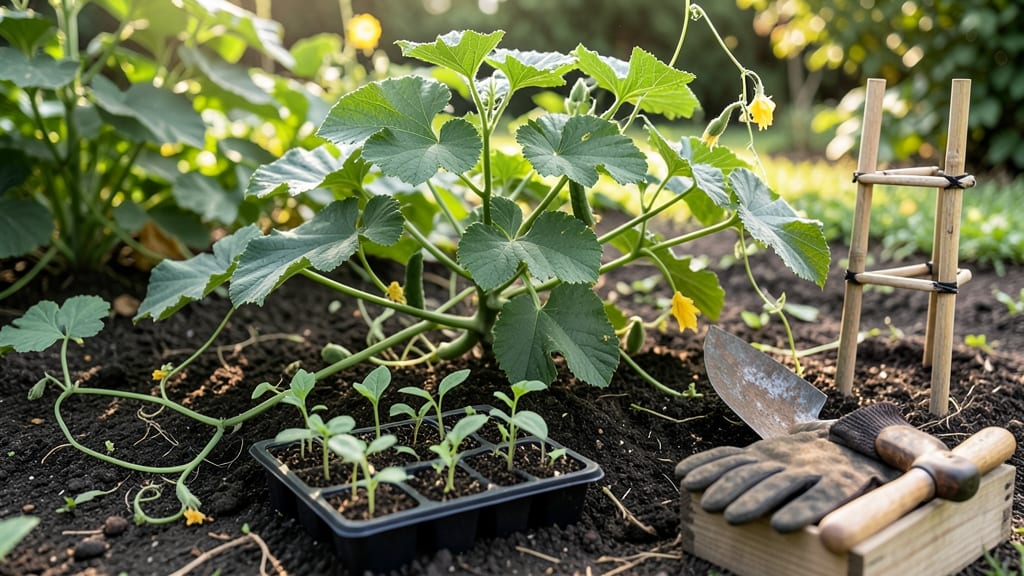
Timing your cucumber planting in Zone 7a could mean the difference between a thriving garden and wasted seeds. 🥒 These warm-season plants need the right conditions to flourish, and getting the frost-free window just right is the key to success.
With last frost typically around mid-April in Zone 7a, you’ll want to wait until soil temperatures hit at least 60°F before planting. This usually lands in mid-April to early June for spring harvests, but don’t overlook the opportunity for a late summer planting in late July to extend your season.
Why does timing matter so much? Cucumbers are sensitive to cold soil, and planting too early can stunt growth or even kill seedlings. By mastering the perfect window, you’ll set your plants up for a bountiful harvest from June through October.
In this guide, I’ll walk you through the exact dates, soil prep tips, and pro strategies to maximize your cucumber yield—no guesswork required. Let’s get those vines growing strong!
Zone 7a cucumber planting calendar: exact dates for frost-free success
Timing your cucumber planting in Zone 7a means waiting for soil temperatures above 60°F—cold soil stunts growth and invites disease. The last frost date in most Zone 7a regions falls around April 15, but don’t rush! Cucumbers are warm-season crops that need consistent warmth to thrive.
For spring planting, aim to sow seeds or transplant seedlings 2-3 weeks after your last frost. This typically lands in mid-April to early May, depending on your microclimate.
In northern Zone 7a (e.g., Virginia, West Virginia), wait until early May, while southern areas (e.g., Georgia, Alabama) can plant as early as late April.
For a fall harvest, plant late July to early August for cucumbers to mature before the first frost (usually October 15). This second planting extends your harvest into September and October, giving you a longer growing season.
🌱 Pro Tip: Use a soil thermometer to confirm your soil is warm enough. Cucumbers won’t germinate below 60°F, and seedlings will struggle in cooler conditions.
📅 Zone 7a Cucumber Planting Timeline
| Stage | Action | Soil Temp | Notes |
|---|---|---|---|
| Spring Planting | Direct Sow or Transplant | 60°F+ | Mid-April to early May |
| Fall Planting | Direct Sow or Transplant | 60°F+ | Late July to early August |
| Harvest Window | Pick Regularly | N/A | June–August (spring) or September–October (fall) |
| Last Frost | Avoid Planting Before | N/A | April 15 (varies by location) |
| First Frost | Stop Planting Before | N/A | October 15 (varies by location) |
🌡️ Key: Always check local frost dates—Zone 7a ranges from 300 to 600 frost-free days.
If you’re starting with seedlings, transplant them 1-2 weeks after direct sowing to give them a head start. Bush varieties (like 'Bush Champion') mature faster and are ideal for container gardening or small spaces, while vining types (like 'Straight Eight') need trellises and more time.
For direct sowing, plant seeds 1 inch deep and 12 inches apart in rows 3 feet apart to allow airflow. Thin seedlings to the strongest 2 per hill once they’re 3 inches tall. This spacing reduces disease risk and improves yields.
💧 Watering Tip: Keep soil consistently moist but not waterlogged. Mulch with straw or shredded leaves to retain moisture and suppress weeds—critical in Zone 7a’s heat, which can dry out soil quickly.
Choose heat-tolerant varieties like 'Marketmore 76' or 'Lemon Cucumber' for summer planting. These varieties handle Zone 7a’s heat spikes better than standard types. For fall harvests, opt for shorter-season varieties like 'Straight Eight' to ensure maturity before frost.
🌿 Microclimate Matters: Urban areas or south-facing gardens warm up faster than shaded spots. Use a garden thermometer to monitor soil temps in your specific planting area—this ensures you’re planting at the optimal time for your microclimate.
How to extend your cucumber growing season in Zone 7a
Zone 7a gardeners face a short window between the last frost (mid-April) and first frost (mid-October), but with smart strategies, you can stretch your cucumber harvest by 30-45 days. The key? Protecting young plants from late frosts and delaying heat stress in summer’s peak.
Start by choosing heat-tolerant varieties like 'Straight Eight' or 'Lemon Cucumber'—these thrive when daytime temps hit 90°F+. Pair them with succession planting every 2 weeks from May to July for continuous harvests. This ensures you always have mature vines producing while others are just getting started.
For early starts, use row covers or mini hoop tunnels to shield seedlings until soil warms to 60°F. These create a 5-10°F warmer microclimate, accelerating growth.
Remove covers once vines hit 12 inches to prevent overheating. Cold frames are another option: place them over planted beds in late March to jumpstart germination.
Extending Cucumber Season: Pros & Cons
| Method | Pros | Cons |
|---|---|---|
| Row Covers | Protects from frost, boosts soil temp by 5-10°F | Requires removal when temps exceed 85°F |
| Succession Planting | Continuous harvests, minimizes gaps | Needs consistent seedling supply |
| Cold Frames | Extends season by 3-4 weeks, early starts | Limited space, requires monitoring |
| Heat-Tolerant Varieties | Performs in 90°F+ heat, fewer pests | May sacrifice flavor for yield |
Don’t overlook late-summer planting for a fall harvest. Sow seeds in late July using black plastic mulch to warm soil faster. This method works best with short-day varieties like 'Marketmore 76' that mature quickly before frost. Pair it with drip irrigation to maintain moisture during dry spells.
For the hardiest extension, try container growing with 5-gallon pots. Move containers to shaded areas during peak afternoon heat (2 PM–5 PM) to prevent wilting. This trick buys you 2-3 extra weeks of harvest time before moving plants indoors to a sunny windowsill.
Remember: Harvest frequency is your secret weapon. Pick cucumbers every 2-3 days to encourage more production. If vines slow down in September, prune yellowing leaves and add a light compost top-dressing to give them a final boost before frost 🥒.