
Plants
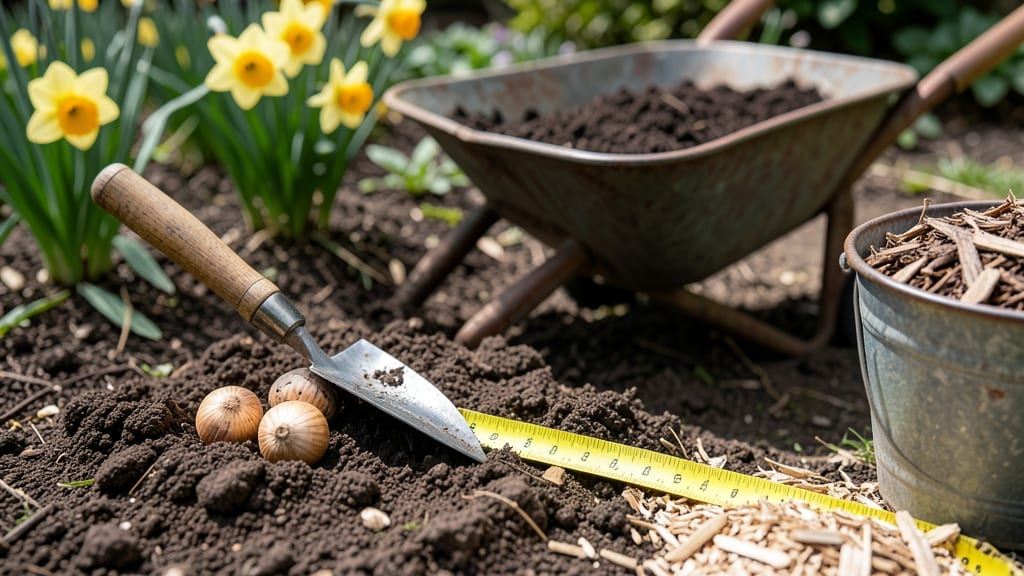
Planting daffodil bulbs in Seattle at the wrong time can mean the difference between a vibrant spring garden and wasted money.
The key window—late September through mid-November—aligns perfectly with Seattle’s Zone 8a climate, where soil temperatures and rainfall create ideal conditions for root growth before winter sets in.
Too early, and your bulbs might rot in soggy soil; too late, and they won’t establish roots before frost. I’ve learned the hard way that timing is everything—especially in Seattle, where unpredictable rain and mild winters can throw off even the most careful gardener.
But with the right approach, you can ensure those cheerful yellow blooms will greet you next spring.
In this guide, I’ll walk you through the exact steps to plant daffodils in fall, from checking soil readiness to protecting them from Seattle’s late-season rains.
You’ll discover how to avoid common mistakes and maximize your chances of success—because nothing beats the joy of a garden bursting with 🌼 daffodils in April.
Whether you’re a seasoned gardener or just starting, these tips will help you plant with confidence. Let’s get those bulbs in the ground at the perfect moment—so you can enjoy the fruits of your labor come springtime.
Seattle’s ideal daffodil planting window: exact dates and soil conditions
Timing your daffodil bulbs for Seattle’s Zone 8a climate means aiming for a 6-week window when soil temperatures hover between 55-65°F. This ideal range allows bulbs to establish roots before winter dormancy.
In Seattle, that window typically opens in late September and closes by mid-November, just before the first hard frost around November 15. Planting too early risks bulb rot, while late planting may delay—or even prevent—spring blooms.
Seattle’s Pacific Northwest microclimates create slight variations: Eastside areas like Bellevue tend to stay drier and warmer, while Westside neighborhoods like West Seattle may experience earlier frost. Adjust your planting by 1-2 weeks later for Westside locations to account for increased rainfall and cooler nights.
Always check your local frost date forecasts from the National Weather Service for precision.
| Stage | Action | Seattle-Specific Tip |
|---|---|---|
| Soil Temperature | 55-65°F | Use a soil thermometer; Eastside soils warm faster than Westside. |
| Planting Window | Late Sept - Mid-Nov | Aim for October 1-15 for optimal root growth. |
| Depth | 6-8 inches deep | Seattle’s clay soil? Add compost to improve drainage. |
| Spacing | 4-6 inches apart | Closer spacing works for dwarf varieties like 'Tête-à-Tête'. |
| Frost Buffer | Plant 4-6 weeks before first frost | West Seattle? Plant by October 15 to avoid frost damage. |
To test if your soil is ready, insert a soil thermometer into the ground at a 6-inch depth. If the reading falls within the 55-65°F range, your bulbs are ready to go.
Seattle’s acidic soil (pH 5.0-6.5) is generally suitable for daffodils, but adding a handful of lime or wood ash can help if your soil tests below pH 6.0. Use a simple pH test kit from your local nursery to check before planting.
One of the most common mistakes in Seattle is planting too shallow due to heavy rainfall. Daffodil bulbs need 6-8 inches of depth to anchor properly and resist erosion from winter storms. If you’re planting in containers, use a well-draining mix with perlite or sand to prevent waterlogging.
For in-ground planting, amend the soil with compost or aged manure to improve drainage and fertility.
Seattle’s mild but wet winters mean you’ll need to account for rainwater drainage. Avoid low-lying areas where water pools, and consider raised beds if your yard has poor drainage.
A 5-degree Fahrenheit drop in soil temperature can signal the start of dormancy, but daffodil bulbs can tolerate down to 10°F once roots are established. The key is ensuring they’ve had enough time to root before winter sets in.
For container gardening in Seattle, choose pots with drainage holes and plant bulbs in well-draining cactus/succulent mix. Place containers in sheltered spots like against a south-facing wall to protect them from wind and excess moisture.
Remember, containers freeze faster than in-ground soil, so plant them 2-3 weeks earlier than your outdoor beds.
If you’re unsure about your local microclimate, observe nearby gardens: daffodils already blooming in your neighborhood indicate successful fall planting. For example, University of Washington’s campus gardens often bloom earlier than residential areas due to urban heat islands. Use these natural cues to fine-tune your timing each year.
Pro tip: Plant in clusters of 5-7 bulbs for a dramatic spring display. Seattle gardeners love ‘Ice Follies’ for its pure white blooms or ‘Tête-à-Tête’ for its compact size—perfect for small spaces.
Once planted, water deeply to settle the soil and encourage root growth. Mulch with straw or shredded leaves after planting to insulate bulbs and retain moisture during Seattle’s winter rains.
Remember, daffodils are perennial in Seattle’s climate, meaning they’ll return year after year if planted correctly. With the right timing and soil prep, you’ll enjoy vibrant blooms from April through May, just as Seattle’s rainy season begins to ease.
The secret? Plant early, plant deep, and let nature do the rest.
Critical mistakes to avoid when planting daffodils in fall (Seattle-specific)
Seattle’s acidic soil and unpredictable rain create unique challenges for daffodil bulbs. Planting too shallow or ignoring drainage can lead to rot, while late planting risks frost damage. Here’s what to watch for to ensure your 🌼 daffodils thrive.
First, planting depth is critical—too shallow, and bulbs heave out of the ground during freeze-thaw cycles. Dig holes 6-8 inches deep (twice the bulb’s height) and space them 4-6 inches apart. Overcrowding leads to weak stems and fewer blooms.
⚠️ Seattle-Specific Planting Pitfalls
- Too Early: Planting in September risks rot from cool, wet soil (Seattle’s avg. 58°F in Sept).
- Too Late: After mid-November, bulbs won’t root before frost (avg. first frost: Nov 15).
- Poor Drainage: Seattle’s clay soil traps water—amend with compost or sand to prevent bulb rot.
- Squirrel Threats: Bury bulbs deeper than 6 inches or use chicken wire cages in high-risk areas.
🌧️ Pro Tip: Test soil moisture 1 week before planting—it should be damp but not soggy.
Another common mistake is ignoring soil pH. Seattle’s soil is naturally acidic (pH 5.0-6.0), but daffodils prefer 6.0-7.0. Mix 1 part lime into the planting hole to raise pH slightly. Overcorrecting can harm bulbs, so test first with a soil pH kit ($5 at garden centers).
For container planting, use pots with drainage holes and a fast-draining mix (60% potting soil, 30% perlite, 10% compost). Without drainage, bulbs suffocate in Seattle’s winter rains. Elevate containers on feet or bricks to prevent water pooling.
Finally, mulching too early can smother bulbs. Wait until after planting and apply 2-3 inches of straw in late November to insulate roots. Avoid thick layers now—Seattle’s mild falls (avg. 50°F in Oct) keep soil warm enough for root growth.
By avoiding these mistakes, your daffodils will bloom reliably year after year, even in Seattle’s challenging climate. Start with the right timing, then focus on drainage and soil prep—your spring garden will thank you! 🌱