
Plants
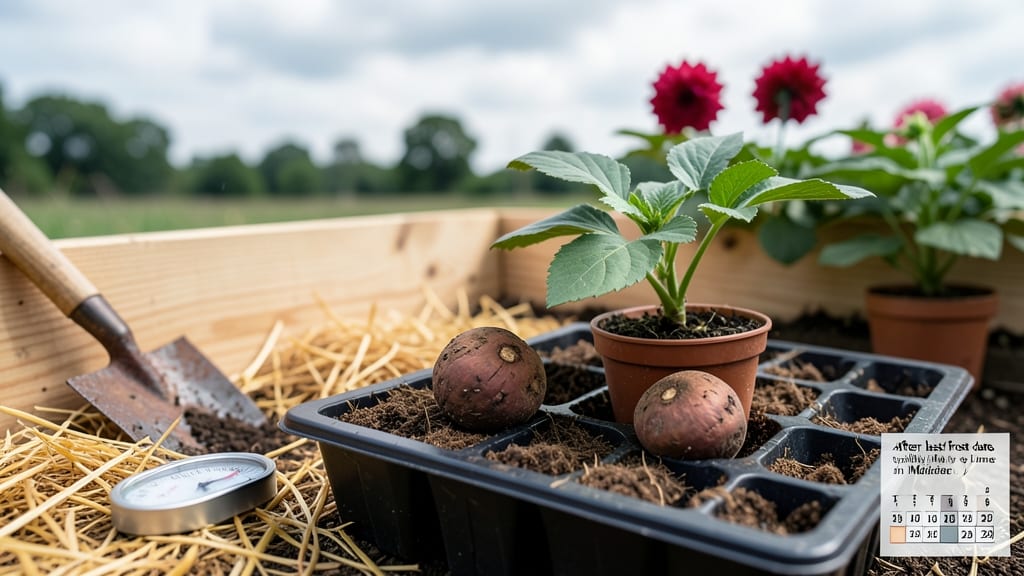
Timing your dahlia bulb planting in Michigan can mean the difference between a garden bursting with 🌸 vibrant blooms and a season of disappointment. With Michigan’s unpredictable frost dates and variable soil temperatures, getting it right is key to maximizing those 165 frost-free days of summer color.
Most Michigan gardeners in zones 5b-6b should wait until late April to mid-May—after the last frost has passed and soil temperatures hit 60°F. Planting too early risks frost damage, while waiting too long may stunt early growth.
The good news? With the right preparation, you can enjoy dahlias from July through October, even in Michigan’s cooler climate.
I’ll show you exactly how to align your planting schedule with Michigan’s regional variations—whether you’re in Detroit’s urban heat islands or Traverse City’s cooler lakeshore. We’ll cover soil prep, frost protection, and the 3 simple steps to ensure your dahlias thrive from the first day in the ground.
Ready to transform your garden into a summer-long dahlia display? Let’s dive into the perfect planting window and care tips tailored just for Michigan’s growing season.
Michigan dahlia planting dates by Zone 5b-6a: exact frost-free timelines
Michigan’s Zone 5b-6a climate means dahlia bulbs must wait for soil temperatures of at least 60°F and frost-free conditions before planting.
In most areas, this falls between late April and mid-May, but regional differences matter—Detroit’s last frost averages April 20, while Traverse City’s can linger until May 5. Use these dates as your guide to avoid frost damage while maximizing your blooming season.
Dahlias thrive in Michigan’s summer heat, but they’re frost-sensitive tubers. Planting too early risks root rot from cold, wet soil, while waiting too long cuts your bloom time. The key is watching for consistent daytime highs above 70°F—a sure sign it’s safe to plant.
For early bloomers, start tubers indoors in March to give them a head start.
Here’s your region-specific timeline for Zone 5b-6a:
For container gardening, you can plant 2-3 weeks earlier since pots warm faster. However, avoid black plastic pots—they absorb heat and can scorch roots. Use light-colored containers or fabric grow bags instead.
If you’re unsure about frost dates, use row covers or cloches to protect young plants until June 1, when the risk of frost is minimal.
Michigan’s clay-heavy soil can delay warming, so test your soil temperature with a soil thermometer (available at garden centers for ~$10). Aim for 60°F at 4-inch depth—this ensures roots establish quickly.
If your soil is still cold, amend with compost to improve warmth retention. Pro tip: Plant in raised beds if your yard has poor drainage, as dahlias hate soggy roots.
Once planted, dahlias need 6+ hours of sun daily for vibrant blooms. In Michigan’s short summers, prioritize south-facing locations or use reflective mulch to boost light exposure.
Varieties like 'Café au Lait' (pale cream) or 'Karma Choc' (deep burgundy) thrive in partial shade but still need 4-5 hours of direct sun.
Don’t forget to mark your calendar for October 15, Michigan’s average first frost date. This is when you’ll need to dig up tubers and store them indoors.
Cut back foliage to 6 inches, cure tubers in a dry, dark place for 2 weeks, then store in peat moss or vermiculite at 35-40°F until next spring.
For extended blooming, deadhead spent flowers regularly and fertilize with a 5-10-10 blend every 4-6 weeks. In Michigan’s humid summers, watch for powdery mildew—space plants 18-24 inches apart and water at the base (not overhead) to prevent fungal issues.
Timing your dahlia planting right means months of color from July through October. With Michigan’s variable weather, flexibility is key—always have row covers ready for late frosts and mulch on hand to retain moisture during dry spells. Happy planting! 🌸
How to prepare dahlia bulbs for Michigan’s unpredictable spring weather
Michigan’s spring weather can be a rollercoaster—one day warm, the next a surprise frost. To give your dahlia bulbs the best start, I recommend prepping them indoors 6-8 weeks before your target planting date.
This process, called chitting, encourages early sprouting and stronger roots before they face Michigan’s unpredictable soil temperatures.
Start by placing your dahlia tubers in a shallow tray or container with the eyes (growth points) facing upward. Use a mix of potting soil and perlite to ensure good drainage—Michigan’s heavy clay soil can suffocate roots if not amended properly.
Keep the tray in a bright, cool location (around 60-65°F) and mist lightly every few days to prevent drying.
🌱 Step-by-Step Pre-Planting Prep for Michigan Gardeners
- Week 1-2: Place tubers in a tray with eyes facing up in a bright, cool spot (60-65°F).
- Week 3-4: Sprouts should emerge—move tray to a sunny windowsill for 6+ hours of light daily.
- Week 5-6: Harden off sprouted tubers by placing them outdoors in partial shade for 2-3 hours/day, gradually increasing exposure.
- Week 7-8: Amend Michigan clay soil with compost and sand to improve drainage. Plant tubers 4-6 inches deep after last frost.
Once sprouts appear (usually within 2-3 weeks), move the tray to a sunny windowsill or under grow lights to give them 6+ hours of light daily. This mimics Michigan’s late spring sunlight and prevents leggy growth.
If your home lacks natural light, consider a grow light to supplement—weak stems struggle in Michigan’s windy conditions.
About 2 weeks before planting, begin hardening off your dahlias. Place the trays outdoors in partial shade for 2-3 hours on mild days, then gradually increase their exposure to sun, wind, and temperature fluctuations.
This helps them adapt to Michigan’s variable spring weather without shock. Skip this step, and your dahlias may wilt or struggle once planted.
Michigan’s heavy clay soil can be a challenge for dahlias, which prefer well-draining, fertile soil. Before planting, amend your garden beds with 2-3 inches of compost and a 1-inch layer of sand or perlite to improve drainage.
Work the amendments into the top 12 inches of soil—this ensures roots have room to spread without sitting in soggy conditions after spring rains.
After planting, protect your young dahlias from late spring frosts (which can occur until mid-May in Zone 5b) using frost cloths or row covers. Remove covers during the day to allow sunlight and replace them at night.
Once the plants reach 12 inches tall, they’ll be hardy enough to handle Michigan’s cool nights without extra protection.