
Plants
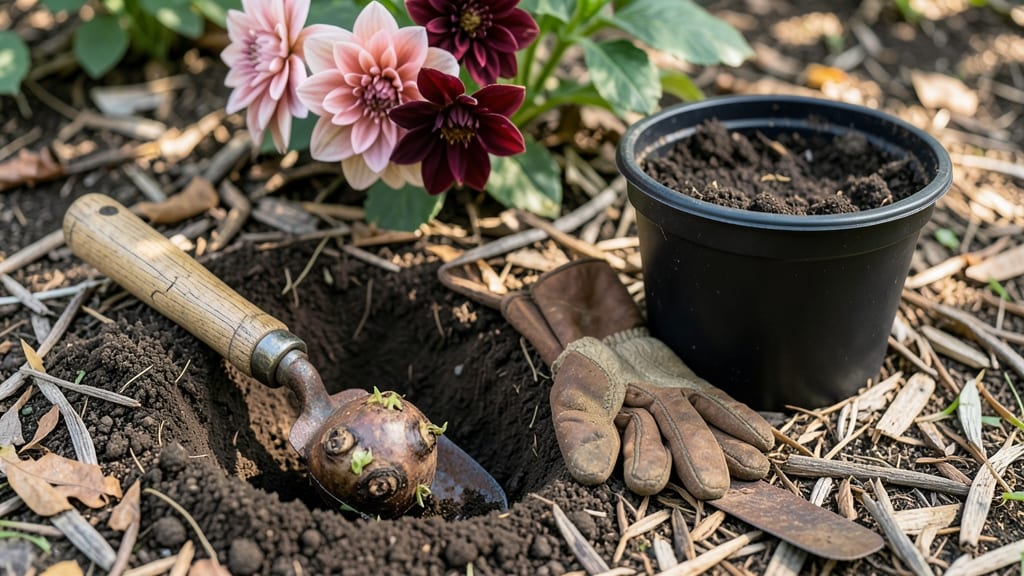
Planting dahlias in Tennessee at the wrong time can turn your dream garden into a sad pile of wilted stems before summer even arrives. The secret to vibrant blooms lies in knowing exactly when to plant—because Tennessee’s 6a-7b zones demand precision, not guesswork.
Most gardeners here make one of two mistakes: planting too early and risking frost damage, or waiting too long and missing the prime growing window. With the last frost typically hitting around March 15, timing is everything for these 🌼 beauties.
The ideal window opens between April 15 and May 15, when soil warms to a cozy 60°F.
But here’s the kicker: even within Tennessee, microclimates vary wildly. A garden in Nashville might be ready weeks before one in the Smoky Mountains. I’ll break down exactly how to calculate your perfect planting window—so you can skip the trial-and-error and get straight to those showstopping blooms.
Ready to transform your yard into a dahlia paradise? Let’s dive into the zone-specific timing, soil prep, and pro tips that’ll have your tubers thriving by summer. Your future bouquets are waiting!
Tennessee’s planting zones: when to start dahlias after last frost
Tennessee’s USDA hardiness zones 6a-7b create a perfect climate for dahlias, but timing is critical. Most gardeners in East Tennessee (Zone 6a-7a) should plant tubers 4-6 weeks after last frost, typically between April 15 and May 1.
In Middle and West Tennessee (Zone 7a-7b), you can start slightly earlier, around March 30 to April 15, as frost dates arrive later.
Use your local frost-free date as your starting point. For example, Nashville’s average last frost is April 1, while Chattanooga’s is March 25. Always wait until soil temperatures reach 60°F (15°C)—a soil thermometer is your best tool for accuracy.
Dahlias are tender perennials, meaning they won’t survive Tennessee’s winters. Planting too early risks frost damage, while waiting too long can stunt growth. The 60°F soil temperature ensures roots establish before summer heat arrives.
Pro Tip: Check your local Ag Extension office for precise frost dates. Tennessee’s microclimates vary dramatically—even neighboring counties can have 1-2 week differences in frost timing.
| USDA Zone | Last Frost Date | Planting Window | Soil Temp Requirement |
|---|---|---|---|
| 6a (East TN) | March 15 - April 1 | April 15 - May 1 | 60°F (15°C) |
| 7a (Middle TN) | March 25 - April 10 | April 1 - April 25 | 60°F (15°C) |
| 7b (West TN) | March 30 - April 15 | April 10 - May 1 | 60°F (15°C) |
For container gardening, you can start dahlias indoors 8-10 weeks before last frost (around February 1 in most of Tennessee). This gives you a head start, but transplant outdoors only after the soil warms—never before.
If you’re unsure about your exact zone, use the USDA Plant Hardiness Zone Map or ask your local county extension agent. Tennessee’s Appalachian regions (like Great Smoky Mountains) often have earlier frosts than the Nashville Basin.
Remember: Dahlias need warmth to thrive. Planting too early in cold soil can lead to rotten tubers or stunted growth. Always prioritize soil temperature over calendar dates.
For fall planting (a common practice in warmer zones), Tennessee’s first frost typically arrives in November. You can plant tubers in late August to early September for a second bloom cycle, but this requires careful monitoring of weather forecasts.
Use these key dates as your guide, but always stay flexible. Tennessee’s weather is unpredictable—late frosts can occur as late as May 10 in some areas. Keep a frost watch handy!
Step-by-step guide: how to time dahlia planting for Tennessee’s climate
Timing your dahlias perfectly in Tennessee means accounting for unpredictable spring frosts, soil temperature shifts, and humidity spikes. Start by preparing your tubers indoors 6-8 weeks before your last frost date—typically mid-March for most of the state.
This gives you a head start on Tennessee’s 180 frost-free days growing season.
Once your last frost date passes (usually around April 15 in Middle Tennessee or May 1 in the mountains), wait until soil temperatures reach 60°F (15°C). Use a soil thermometer to check—this is critical for avoiding root rot in Tennessee’s damp springs.
If you’re in Zone 6a, this might mean waiting until early May.
🌱 Step-by-Step Planting Timeline for Tennessee Dahlias
- 6-8 weeks before last frost: Chit tubers in bright light (70°F/21°C).
- 4 weeks before last frost: Pot up tubers in well-draining mix.
- 2 weeks before last frost: Harden off seedlings outdoors during the day.
- After last frost (soil 60°F+): Plant tubers 4-6" deep, 12" apart.
- Week 1 post-planting: Mulch with straw to retain moisture.
- Ongoing: Stake tall varieties before they reach 18".
Tennessee’s humid summers demand extra care. After planting, water deeply every 2-3 days to prevent stress, but avoid overhead watering to reduce fungal diseases like powdery mildew. Use drip irrigation or soaker hoses instead—this is especially important in Zone 7b, where humidity peaks in July.
For late bloomers, extend your season with black plastic mulch or row covers. These raise soil temperatures by 5-10°F and protect against late May frosts, which can still occur in East Tennessee’s higher elevations. Remove covers once plants reach 18 inches tall to prevent overheating.
Don’t forget to pinch back young plants when they reach 12 inches tall. This encourages bushier growth and more blooms—critical for Tennessee’s short growing season. Repeat pinching every 2-3 weeks until mid-June to maximize your July-October bloom window.
Pro tip: Mark your calendar for October 15, when you’ll need to dig up and store tubers before Tennessee’s first frost. Cut back foliage but leave 3 inches of stem to help identify tubers next spring.
Store in cool, dry peat moss at 40-50°F (4-10°C)—this keeps them viable for your next planting season.