
Plants
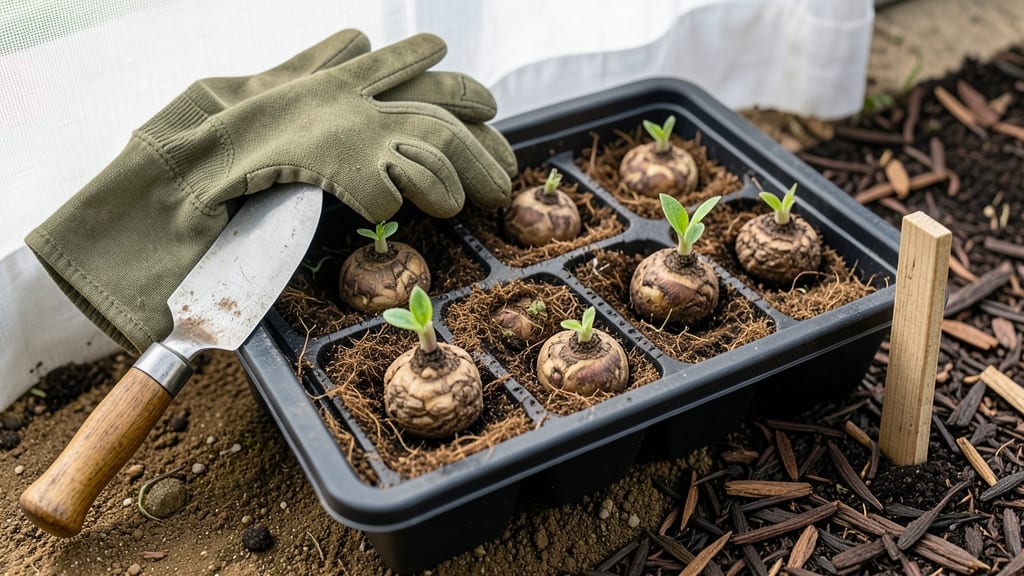
Timing matters more than you think when it comes to planting dahlias in Vermont—get it wrong, and you might miss out on months of stunning blooms. The 4b-6a zone demands patience, but waiting until mid-to-late May ensures your 🌸 dahlias thrive when soil finally warms to 60°F.
Most gardeners rush to plant as soon as spring arrives, only to see frost nip tender shoots. In Vermont, where last frost lingers around May 15, the key is watching soil temperature—not just calendar dates.
I’ve learned the hard way that even hardened tubers need that consistent warmth to take root.
Don’t let a short growing season hold you back. With the right preparation—like hardening off tubers or using row covers—you can extend your planting window slightly. I’ll show you exactly how to time it perfectly for vibrant summer blooms that last until October.
Ready to transform your garden? Let’s dive into the exact steps to plant dahlias in Vermont, so you’re not left with half-bloomed dreams by July. Your peak bloom season starts with the right timing.
Vermont’s frost-free timeline for dahlias: exact planting dates by Zone
Vermont’s Zone 4b/5a climate means dahlias must wait for soil temperatures of 60°F+ and no frost risk—typically mid-to-late May. Planting too early risks frost damage to tender tubers, while waiting too long shortens the blooming season.
Local microclimates (like sheltered south-facing beds) can shift these dates by 1-2 weeks.
Use your last frost date (around May 15 in most of Vermont) as a starting point, but verify with a soil thermometer. Dahlias need 120-150 frost-free days to mature, so aim for planting by June 1 in northern Vermont to ensure summer-long blooms.
For early blooms, start tubers indoors in March under grow lights, then transplant hardened-off plants after the last frost. This extends your bloom window by 3-4 weeks compared to direct outdoor planting.
🌱
| Stage | Action | Vermont Timeline |
|---|---|---|
| Soil Prep | Amend with compost; ensure drainage | Early April |
| Indoor Start (Optional) | Plant tubers in pots; keep warm | Mid-March |
| Last Frost Date | Monitor local forecasts | Mid-May |
| Direct Planting | Plant tubers 4-6" deep; mulch | Late May |
| Transplant Indoors | Hardened-off plants; use row covers | Early June |
| First Blooms | Deadhead for continuous flowers | July |
In southern Vermont (Zone 5a), you can plant 1-2 weeks earlier (early May) if your soil warms faster. Test with a soil thermometer—dahlias won’t thrive in cold, wet soil. For northern Vermont (Zone 4b), delay until late May or use row covers for extra protection.
If you’re unsure about frost dates, use frost-sensitive varieties like 'Café au Lait' or 'Bishop', which tolerate cooler soils better than tropical hybrids. These varieties also rebloom reliably in Vermont’s short season.
For container growing, plant tubers in late May after all frost risk passes—pots warm up faster than ground soil, so they’re safer for early starts. Just ensure containers have drainage holes to prevent rot.
🌿
After planting, mulch heavily (3-4 inches) with straw or shredded leaves to insulate roots from late spring frosts. In early June, add a balanced fertilizer (5-10-10) to encourage robust growth before the main blooming season begins.
Remember: Vermont’s growing season is short, so prioritize early-maturing varieties and long-blooming types like 'Karma Choc' or 'Galaxy'. These will give you peak color from July through October, even in Zone 4b.
✂️
How to prepare dahlias for Vermont’s unpredictable spring weather
Vermont’s spring weather can be as unpredictable as a snowstorm in June. To give your dahlias the best chance of survival, start preparing tubers indoors 6-8 weeks before your last frost date—typically by mid-March for Zone 4b/5a. This early start helps them develop strong roots before facing Vermont’s chilly nights.
Choose a well-draining potting mix and plant tubers 2-3 inches deep in containers. Keep them in a bright spot with 60-65°F soil temperatures to encourage sprouting. Avoid overwatering, as soggy soil can rot tubers before they even sprout.
⚠️ Common Mistake: Planting Too Early
Vermont’s late frosts can still hit in May, and tender dahlia shoots won’t survive. Hardening off is critical—acclimate tubers to outdoor conditions over 7-10 days before planting. Start by moving containers outside during the day, then bring them in at night.
When hardening off, gradually increase exposure to sunlight and wind. By late May, your tubers should be ready for the garden. Choose a south-facing bed with well-draining soil amended with compost.
Plant tubers 4-6 inches deep and space them 12-18 inches apart to allow for airflow and reduce disease risk.
If frost threatens after planting, use row covers or cloches to protect young plants. These lightweight fabrics trap heat without smothering growth. Remove covers during the day to prevent overheating, but keep them on at night until the risk of frost has passed entirely.
For extra insurance, consider cold-hardy dahlia varieties like ‘Café au Lait’ or ‘Bishop.’ These varieties tolerate cooler temperatures better than standard types, giving you a few extra weeks of bloom time. Always monitor your local frost forecast and adjust planting dates accordingly.
Once planted, mulch around the base with straw or shredded leaves to retain moisture and regulate soil temperature. This is especially important in Vermont’s cool, wet springs, where temperature swings can stress young plants.
With these steps, your dahlias will emerge stronger and bloom earlier, giving you vibrant flowers from July through October—despite Vermont’s short growing season. 🌱