
Plants
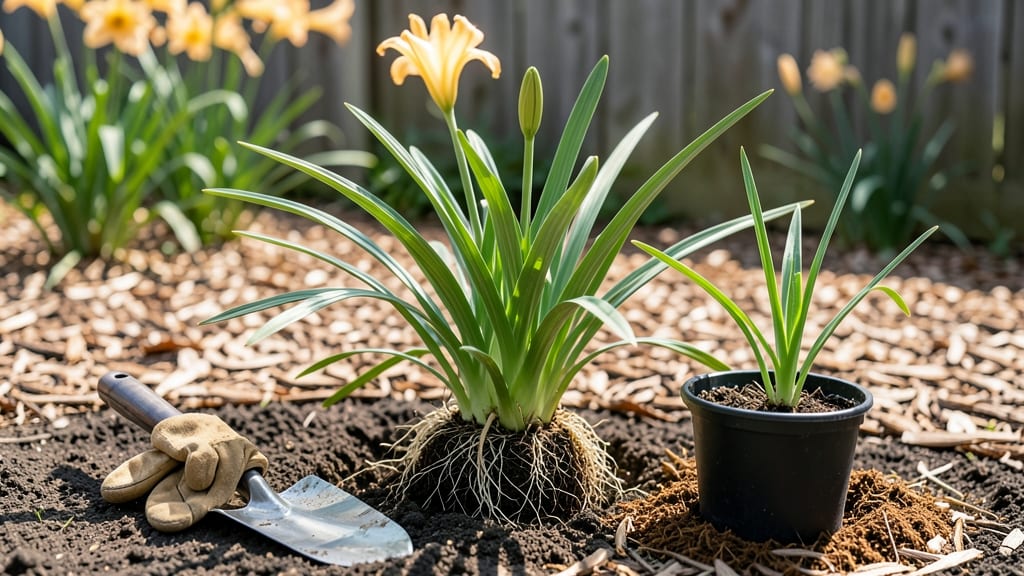
Timing your daylily 🌸 planting in Texas isn’t just about the calendar—it’s about beating the brutal heat and giving these hardy plants the best shot at thriving.
Plant too early, and you’ll risk scorched roots before they even take hold; too late, and winter’s chill might stunt their growth before they bloom. The secret lies in understanding your specific heat zone and aligning with Texas’s unique climate quirks.
For most Texas gardeners in zones 8a-10b, the sweet spot is late summer through early fall—think September to November. This window lets daylilies establish roots before winter’s chill sets in, while avoiding the peak of summer’s punishing heat.
But if you’re in North Texas, where frosts linger later, early spring planting in February or March can also work wonders.
What sets Texas apart? Unlike cooler climates, our long, hot summers demand extra care—like mulching to retain moisture and choosing varieties bred for heat resistance.
I’ll show you exactly how to time your planting for zero-frost survival, whether you’re in the Panhandle or the Rio Grande Valley, so your daylilies not only survive but thrive.
Ready to skip the guesswork? Let’s dive into the heat-zone timeline that’ll have your garden bursting with vibrant blooms year after year—no matter how extreme the Texas weather gets.
Texas daylily planting calendar: best months by heat zone
Texas’s diverse climate zones mean your daylily planting schedule should depend on whether you’re in North, Central, or South Texas. The ideal window for planting daylilies is fall (September–November) or early spring (February–March), but exact timing varies by frost dates and soil temperatures.
Let’s break it down by region to ensure your daylilies thrive.
In North Texas (USDA Zones 7b–8a), where last frost dates hover around March 15, aim to plant daylilies 8–10 weeks before the first frost—typically late September to early November.
This gives roots time to establish before winter chill sets in. For early spring planting, wait until mid-February to avoid late-season freezes.
Central Texas (Zones 8a–8b) enjoys warmer winters, so you can stretch your fall planting window to mid-November. Planting in October is ideal—soil stays warm enough for root growth, but first frost risks drop after December 1. Spring planting here works until early April.
South Texas (Zones 9a–10b) is the most forgiving, with mild winters and no frost in many areas. You can plant year-round, but September–November remains best for root establishment. Avoid summer planting (May–August)—100°F+ heat stresses young plants, even drought-tolerant varieties.
| Region | USDA Zone | Best Planting Months | Soil Temp Threshold | Key Consideration |
|---|---|---|---|---|
| North Texas | 7b–8a | Late Sep–Early Nov Mid-Feb–Mid-Mar |
55–65°F | Avoid late frosts (after Mar 15) |
| Central Texas | 8a–8b | Oct–Mid-Nov Feb–Early Apr |
60–70°F | First frost risk after Dec 1 |
| South Texas | 9a–10b | Sep–Nov (year-round possible) | 65–75°F | Avoid summer heat (May–Aug) |
Soil temperature is critical for daylily success. Use a soil thermometer to confirm temps are 55–75°F before planting. In North Texas, wait until soil warms to 60°F in fall—cooler soils delay root growth. In South Texas, 70°F+ soils speed up establishment but require extra shade during summer.
Rainfall patterns also influence timing. September–October in Texas often brings consistent rains, reducing the need for supplemental watering. If your area is drought-prone (like West Texas), plant in early fall and mulch heavily to retain moisture.
Avoid planting during peak summer—even drought-tolerant daylilies struggle with 100°F+ heat and low humidity.
For container gardening, timing shifts slightly. Plant 4–6 weeks earlier than in-ground daylilies—containers heat up faster and dry out quicker. Use self-watering pots and lightweight potting mix to mimic Texas’s well-draining soils. In North Texas containers, move pots to a protected spot if frost threatens.
Pro tip: Divide daylilies in early spring (March) or fall (September) for healthier transplants. Texas’s humid summers stress divided plants, so avoid spring divisions in South Texas. Always plant crowns 1–2 inches deep—shallow planting leads to rot in soggy soils.
Remember, Texas’s microclimates can vary even within cities. Check your local frost dates via the Texas A&M AgriLife Extension and adjust by 1–2 weeks. With the right timing, your daylilies will bloom reliably from spring to fall, even in Texas’s harshest conditions.
Texas daylily planting calendar: best months by heat zone
Texas’s diverse heat zones mean daylilies planted in North Texas face different risks than those in South Texas. The key is aligning planting with soil temperatures and rainfall patterns—fall is ideal, but early spring works too.
Let’s break it down by region to avoid common pitfalls like heat shock or winter dieback.
In North Texas (USDA Zones 8a-8b), aim for September to mid-November to let roots establish before first frost (typically mid-November). Central Texas (Zones 8b-9a) gardeners have until late November, while South Texas (Zones 9b-10b) can plant through December—just water deeply to combat dry spells.
| Heat Zone | Best Planting Window | Soil Temp Threshold | Rainfall Tip |
|---|---|---|---|
| North Texas (8a-8b) | Sep 15–Nov 15 | 60–70°F | Water weekly until roots establish |
| Central Texas (8b-9a) | Sep 1–Dec 15 | 65–75°F | Mulch to retain moisture |
| South Texas (9b-10b) | Oct 1–Dec 31 | 70–80°F | Deep water every 10–14 days |
For early spring planting (February–March), prioritize well-draining soil to prevent root rot as temperatures rise. In South Texas, spring planting risks heat stress—opt for shade cloth until established. Pro tip: Test soil moisture weekly; daylilies hate soggy feet but thrive with 1–2 inches of water per week.
Missed the fall window? February is your second chance—just amend soil with compost to jumpstart growth. Avoid planting in summer; daylilies despise 100°F+ soil, which stunts roots. Instead, focus on dividing established clumps in early spring for instant color.
Regional varieties matter too: ‘Stella de Oro’ handles South Texas heat, while ‘Happy Returns’ reblooms reliably in North Texas’s cooler zones. Always check labels for heat tolerance ratings before buying.
Timing isn’t just about months—it’s about moon phases too! Plant during the waxing moon (root growth phase) for stronger starts. Pair this with morning watering to keep foliage dry and fungal-free.