
Plants
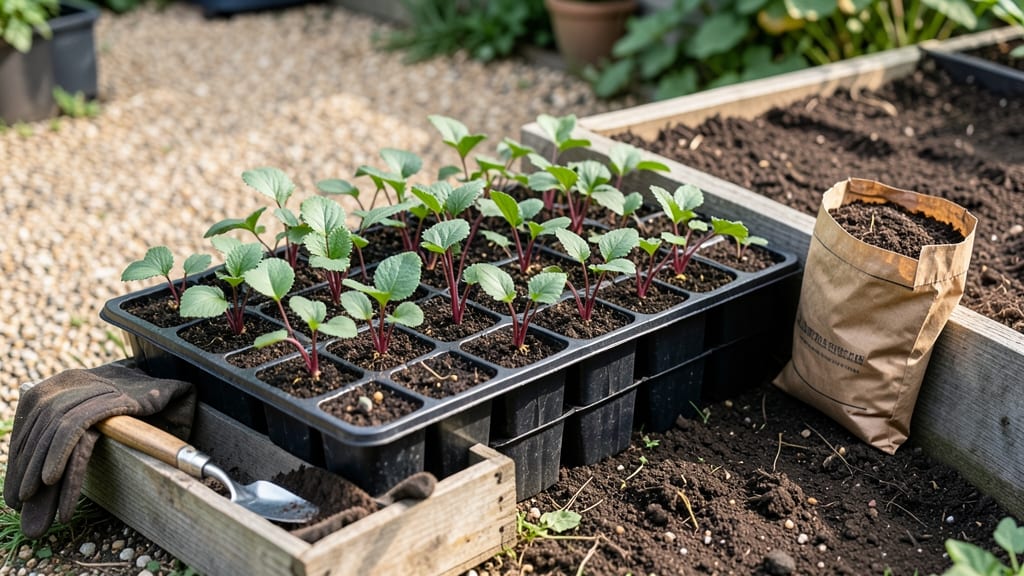
Timing your fall beet planting in Zone 6 could mean the difference between a garden full of sweet, tender 🍠 roots and a bitter disappointment. The key isn't just throwing seeds in the ground—it's knowing exactly when to start for a harvest that thrives as temperatures drop.
Most gardeners in Zone 6 miss the perfect window because they focus on summer planting. But fall beets actually prefer cooler weather, and planting them 4-6 weeks before your first frost (mid-August to early September) sets you up for success.
This timing ensures your beets mature just as the weather turns crisp, giving you that perfect balance of flavor and texture.
I've learned that the secret to fall beet success isn't complicated—it's about working with your climate, not against it. You'll discover how to choose the right varieties, prepare your soil, and even extend your harvest through light frosts.
Let's break down the exact steps to make your fall beet garden a reliable and delicious success.
Whether you're a seasoned gardener or just starting out, these insights will help you avoid common mistakes and maximize your yield. By the end, you'll know exactly when to plant, how to care for your beets, and when to harvest for the best results. Ready to get growing?
Zone 6 fall beet planting timeline: exact dates for frost-ready harvests
Getting your fall beets timed right in Zone 6 means harvesting sweet, tender roots before hard frosts turn them woody. The key window is 4-6 weeks before your first frost, typically mid-August to early September. This ensures beets mature in 50-60 days before temperatures drop below 20°F.
Zone 6 spans a wide range—from northern regions like Chicago (first frost: October 15) to southern areas like Nashville (first frost: October 25). Adjust your planting dates accordingly.
For example, northern Zone 6 gardeners should plant by August 15, while southern gardeners can extend until September 1.
Beets thrive in cool fall weather, but they need consistent soil temperatures above 40°F to germinate. Test your soil with a thermometer—if it’s below 50°F, wait a few days or use row covers to warm the soil. Soil prep is just as critical as timing.
Here’s your Zone 6 fall beet planting timeline, broken down by region and key milestones:
| Stage | Action | Northern Zone 6 (e.g., Chicago) | Southern Zone 6 (e.g., Nashville) |
|---|---|---|---|
| Soil Prep | Test pH (6.0-7.0), add compost | Early August | Late July |
| Planting Window | Sow seeds 1/2" deep | August 1-15 | August 15-Sept 1 |
| Thinning | Space seedlings 3-4" | Late August | Early September |
| First Frost | Harvest before hard frost | October 15 | October 25 |
| Harvest Time | Roots 1-3" diameter | October-November | October-November |
For continuous harvests, plant successive batches every 2 weeks starting in mid-August. This ensures fresh beets every 6-8 weeks until frost. Use fast-maturing varieties like 'Detroit Dark Red' (50 days) or 'Golden' (55 days) for fall plantings.
Pro tip: Mulch heavily after planting to retain soil moisture and moderate temperature swings. A 2-inch layer of straw keeps roots cool and prevents bolting. Avoid fertilizing after mid-September—late nitrogen can trigger bitter flavors before frost.
If you’re in northern Zone 6 and miss the August window, don’t panic. Late-September plantings can still yield harvests if protected with row covers during early frosts. Just expect smaller roots by November.
Monitor your local frost dates using the USDA Plant Hardiness Zone Map or apps like Old Farmer’s Almanac. Adjust your timeline by ±5 days if your area runs warmer or cooler than average.
With the right timing, your Zone 6 fall beets will reward you with crisp, sweet roots perfect for roasting, pickling, or fresh salads—long after your summer crops have faded. 🌱
Zone 6 fall beet planting timeline: exact dates for frost-ready harvests
Fall beets in Zone 6 thrive when planted 4-6 weeks before your first frost, typically mid-August to early September. This timing ensures roots mature before hard freezes while taking advantage of cooler soil temperatures that sweeten the flavor.
Missing this window risks woody, bitter beets or bolting before harvest.
Your first frost date in Zone 6 usually falls around mid-October, but exact timing varies by location. For example, northern Zone 6 (e.g., Chicago) may need earlier plantings, while southern areas (e.g., St. Louis) can extend slightly later. Always check your local USDA frost calendar for precision.
Beets need 45-60 days to reach harvest size, so count backward from your frost date. For instance, if frost arrives October 15, aim to plant by September 1-15. This schedule balances maturity with frost tolerance—beets can survive light frosts but turn mushy in hard freezes.
🌱 Key Dates for Zone 6:
- Northern Zone 6: Plant August 15–September 1 (earlier frost risk)
- Southern Zone 6: Plant August 25–September 10 (later frost window)
- Harvest Window: October–November (until hard frost)
| Stage | Action | Zone 6 Timing |
|---|---|---|
| Soil Prep | Loosen soil, add compost | Late July–Early August |
| Plant Seeds | 1/2" deep, 1-2" apart | Mid-August–Early Sept |
| Thin Seedlings | 3-4" apart | 3–4 weeks after sowing |
| Harvest Ready | Roots 1–3" diameter | October–November |
For extended harvests, plant successive batches every 2 weeks starting in late August. This ensures a steady supply of beets until frost. For example, plant one batch on August 25, another on September 8, and a final one on September 22—each will mature at 2-week intervals.
Protect young seedlings from late-summer pests like flea beetles with row covers or diatomaceous earth. Once established, beets tolerate light frost, but avoid planting too early—soil temps below 50°F slow germination. Use a soil thermometer to confirm ideal 60–70°F conditions before sowing.
Remember: Cool nights sweeten beets, so embrace Zone 6’s fall chill. With the right timing, you’ll enjoy tender, flavorful roots straight from your garden until winter sets in. Happy planting! 🌿