
Plants
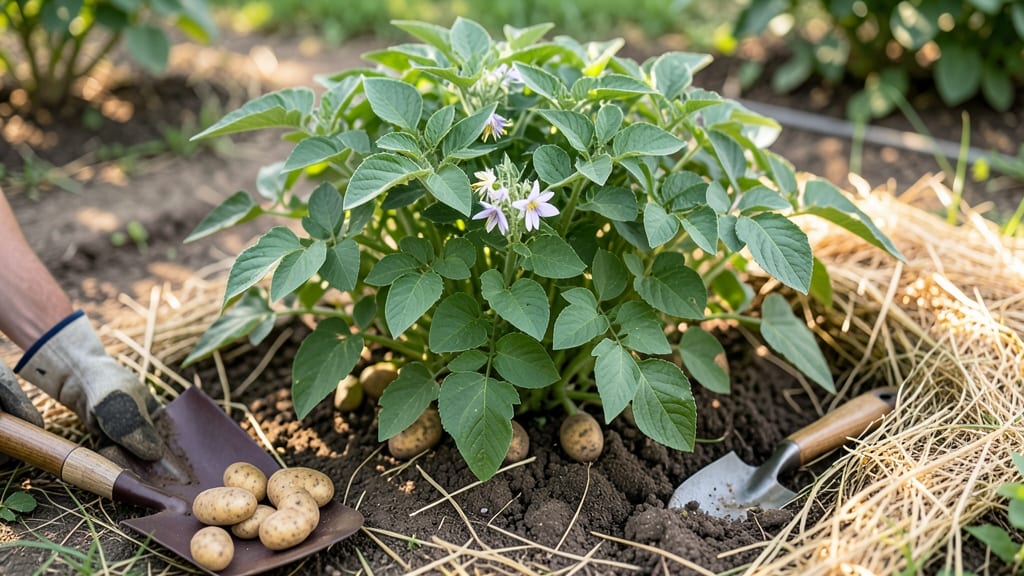
Planting fall potatoes in Louisiana isn’t just possible—it’s a game-changer for gardeners who want fresh spuds even in winter. The key? Timing your 🥔 planting between September and October to beat the heat and avoid early frost.
Louisiana’s warm climate means traditional spring planting rules don’t apply here. If you plant too late, your potatoes might struggle with heat stress or pests. But get it right, and you’ll enjoy a harvest from December through February—no matter where you are in zones 8a-9b.
I’ll walk you through the exact planting window, soil prep tips, and how to adjust for Louisiana’s humidity. Whether you’re in New Orleans or Shreveport, these strategies will help you grow hearty potatoes even in the fall.
Ready to turn your garden into a winter spud factory? Let’s dive into the secrets of fall potato success in the Bayou State.
Louisiana heat Zone planting calendar for fall potatoes
Timing your fall potato planting in Louisiana is all about working with—not against—the state’s unique climate. Unlike northern regions, Louisiana’s long, warm fall and humid conditions create a narrow window for success. Plant too early, and your tubers will overheat; too late, and frost will ruin your harvest.
The key is planting 4-6 weeks before the first frost, typically between mid-September and mid-October, depending on your specific USDA Zone (8a-9b).
Louisiana’s climate varies dramatically from north to south. In New Orleans (Zone 9a), you might push plantings into early November, while Shreveport (Zone 8a) gardeners should aim for mid-September. The goal is to give potatoes 90-120 days to mature before winter sets in.
This calendar aligns planting with soil temperatures (ideal: 50-65°F) and moisture retention, critical for Louisiana’s heavy clay soils.
Here’s your region-specific guide to planting dates, soil prep, and frost risk:
| Region | USDA Zone | Best Planting Window | Soil Temp Goal | Frost Risk |
|---|---|---|---|---|
| North Louisiana (Shreveport) | 8a | Mid-September to early October | 50-60°F | Early frost (Nov 15) |
| Central Louisiana (Baton Rouge) | 8b | Late September to mid-October | 55-65°F | Moderate frost (Nov 20) |
| South Louisiana (New Orleans) | 9a | Early October to early November | 60-70°F | Late frost (Dec 1) |
Notice how the soil temperature and frost risk shift with each region? In Zone 9a, you can extend your season later because the ground stays warmer longer. But in Zone 8a, you must plant earlier to avoid early frosts.
Always check your local frost date averages—Louisiana’s climate is warming, and frost dates are shifting.
For container gardening in Louisiana, adjust your timeline by 2-3 weeks earlier since pots heat up faster. Place containers in partial shade during late afternoons to prevent tuber stress.
If you’re using black plastic mulch (a Louisiana gardener’s secret weapon), plant 1-2 weeks later—the mulch warms the soil and delays frost damage.
Pro tip: Use a soil thermometer to confirm temps before planting. Louisiana’s humidity can trick you—cool nights don’t always mean cool soil. Aim for 50°F+ at a 4-inch depth for consistent germination.
If your soil is still warm (70°F+), wait a week or two to avoid heat stress in your seed potatoes.
Harvest timing is just as critical. In Louisiana, most fall potatoes are ready by December-January, but late-October plantings may not mature until February. Watch for foliage yellowing and tuber hardening—these are your cues to dig.
If frost threatens before harvest, use row covers or straw mulch to protect tubers in the ground.
One final tip: Louisiana’s heavy clay soils can suffocate potatoes. Amend your beds with compost or sand to improve drainage. Poor drainage leads to rotten tubers—a heartbreaking loss after all your hard work.
Test your soil’s pH (aim for 5.0-6.5) and add sulfur if needed, as Louisiana soils often lean alkaline.
By following this calendar, you’ll avoid the two biggest mistakes Louisiana gardeners make: planting too late (risking frost) or too early (risking heat stress). With the right timing, you’ll enjoy homegrown potatoes even in winter—something many northern gardeners can only dream of! 🥔
How to adjust planting dates for Louisiana’s unique climate challenges
Louisiana’s humid subtropical climate and late-season heat demand extra care when planting fall potatoes. Unlike northern states, our long growing season and high humidity can stress tubers if planted too late or too early. The key is adjusting your schedule to avoid heat stress while maximizing the frost-free window.
Most gardeners in USDA Zones 8a-9b (covering most of Louisiana) should plant 4-6 weeks before the first frost—typically by mid-October.
However, northern Louisiana (Zone 8a) may need to plant as early as late September to avoid early cold snaps, while southern Louisiana (Zone 9b) can extend planting until early November.
Here’s the critical adjustment: Soil temperature must stay above 50°F (10°C) for sprouting. In Louisiana, September soil temps often linger in the 80s°F (27-32°C), which can cause heat stress and poor tuber formation.
To mitigate this, plant early morning or late afternoon and use shade cloth for the first 2 weeks.
Another challenge is humidity and fungal diseases. Louisiana’s high moisture levels create ideal conditions for late blight and scab. To combat this, choose disease-resistant varieties (like Yukon Gold or Red Pontiac) and plant in raised beds with well-draining soil.
Avoid planting in low-lying areas where water pools.
⚠️ Late-Season Heat Warning
Planting too late in Louisiana’s fall can leave potatoes vulnerable to heat stress as temps hover in the 70s-80s°F even in November. Symptoms include stunted growth, small tubers, and green skin (toxic if eaten). If you miss the ideal window, opt for fast-maturing varieties (like Red Norland) that can harvest before December’s cooler temps.
Pro Tip: Use black plastic mulch to warm soil early or straw mulch to cool it later—both help regulate soil temperature for optimal tuber development.
For emergency frost protection, have row covers or old bedsheets ready. Louisiana’s first frost typically arrives around November 15, but microclimates (like urban heat islands) can delay it by 2-3 weeks.
If frost threatens before harvest, pile mulch around plants to insulate tubers. Never harvest frozen potatoes—they’ll turn mushy and inedible.
Finally, adjust watering as temps drop. While September-October calls for deep watering every 5-7 days, November’s cooler weather reduces evaporation. Cut back to weekly watering and let soil dry slightly between sessions to prevent rot. Always water in the morning to avoid fungal spores thriving overnight.
With these adjustments, you’ll beat Louisiana’s climate challenges and enjoy homegrown potatoes from December through February—just in time for holiday meals! 🥔