
Plants
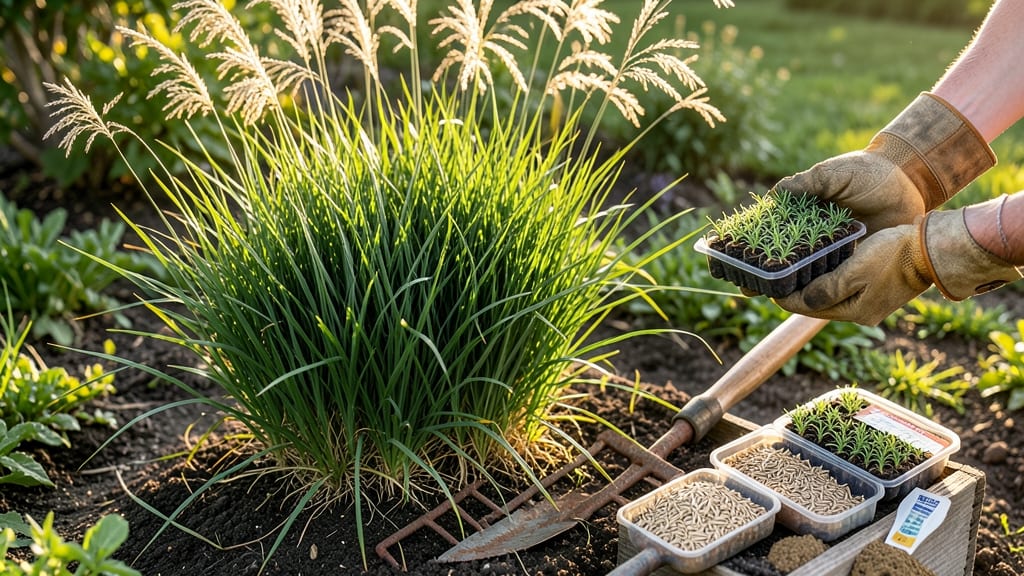
Best months to plant fescue grass in Georgia’s heat zones 7 & 8
Georgia’s USDA Hardiness Zones 7b and 8b create two distinct planting windows for fescue grass, but timing is everything. The ideal soil temperature range of 50–65°F makes early fall and late spring the sweet spots, while summer heat can turn your new lawn into a crispy disaster.
Let’s break down the best months for each zone and how to adjust for urban vs. rural microclimates.
In Zone 7b (northern Georgia), aim for late August through mid-September in fall and mid-March through April in spring. These windows give seedlings time to establish roots before winter frost or summer heat stress.
Meanwhile, Zone 8b (southern Georgia) can push planting slightly later—early September to October in fall and April to early May in spring—thanks to milder winters.
Urban areas often face higher heat retention from pavement and buildings, so plant 2–3 weeks earlier in fall to avoid heat stress. Rural areas with cooler nights can extend planting by 1–2 weeks later in both seasons.
Always check your local first frost date (typically mid-November in Zone 7b and late November in Zone 8b) and plant 4–6 weeks before to ensure strong root development.
Here’s a quick comparison of the best planting windows by zone and season:
For urban lawns, consider shade-clone fescue varieties if your yard has limited sunlight. These adapt better to city heat islands and still thrive in Zone 7b–8b. Always test your soil’s pH (6.0–7.0 ideal) and amend with compost or lime if needed before planting.
Overwatering in summer can suffocate new roots, so use a soil moisture meter to check depth.
If you miss the ideal window, late summer (July) is a secondary option, but water deeply twice daily until roots establish. Avoid planting in June or October—June’s heat and October’s frost risks are too high for reliable germination.
Pro tip: Use a lawn starter fertilizer with high phosphorus (P) to boost root growth during these critical windows.
Remember, fall planting gives fescue a head start for spring, while spring planting requires diligent watering to outpace summer’s intensity. Both strategies work—just pick the one that fits your schedule and Georgia’s unpredictable weather patterns.
Once planted, maintain 1–1.5 inches of water weekly and mow when grass reaches 3–4 inches tall to encourage deep roots. With the right timing, your fescue will outlast Georgia’s extremes and stay green year-round.
🌱
How Georgia’s weather patterns affect fescue planting success
Georgia’s unpredictable weather can make or break your fescue grass planting success. The state’s humid summers and cool winters create tight windows for planting, where timing directly impacts root establishment and survival.
If you plant too early, summer heat stress can scorch seedlings before they take hold. Plant too late, and early frost risks can damage tender new growth before winter sets in.
Fescue thrives when soil temperatures stay between 50–65°F. In Georgia, this typically means avoiding June through August, when heat can push soil temps above 80°F.
Instead, focus on early fall (August-September) or late spring (March-April), when cooler temps and consistent rainfall give seedlings the best chance to establish strong roots.
Urban vs. rural microclimates also play a role. Cities like Atlanta experience heat islands, where pavement and buildings trap warmth, making soil 5–10°F warmer than rural areas. Adjust your planting timeline by 1–2 weeks later in urban zones to avoid heat stress. Conversely, higher elevations in the North Georgia mountains may see frost 2–3 weeks earlier, so plant 4–6 weeks before the average first frost date.
⚠️ Avoid These Critical Risks
- Summer Heat Stress: Soil temps above 75°F can kill seedlings in 48 hours. Use shade cloth if planting in late May.
- Early Frost Damage: Fescue seedlings can’t survive below 28°F. Monitor local frost forecasts and delay planting if frost is predicted within 3 weeks.
- Poor Soil Moisture: Georgia’s clay-heavy soils drain poorly when dry. Water deeply 2–3 times per week after planting to prevent drought stress.
Pro Tip: Test soil moisture 1 inch below the surface—it should feel damp, not soggy.
To prepare for Georgia’s variable weather, start by amending your soil 4–6 weeks before planting. Mix in 2–3 inches of compost to improve drainage and retain moisture. If your lawn sits in a low-lying area, consider raising beds slightly to prevent waterlogging during Georgia’s heavy spring rains.
Mulch with straw after planting to insulate roots from temperature swings.
Monitor weekly rainfall totals during the first 30 days after planting. Georgia’s afternoon thunderstorms can deliver 1–2 inches of rain in a single event, leading to root rot if drainage is poor.
If storms roll in, reduce watering by 50% to avoid over-saturation. Conversely, during dry spells, increase watering to 2 inches per week to compensate.
Finally, keep an eye on humidity levels. Georgia’s 90%+ humidity in summer creates ideal conditions for fungal diseases like brown patch. If you must plant in late summer, treat seedlings with a fungicide and avoid overhead watering.
For long-term success, mow high (3–4 inches) to shade roots and reduce stress from extreme heat or cold.