
Trees
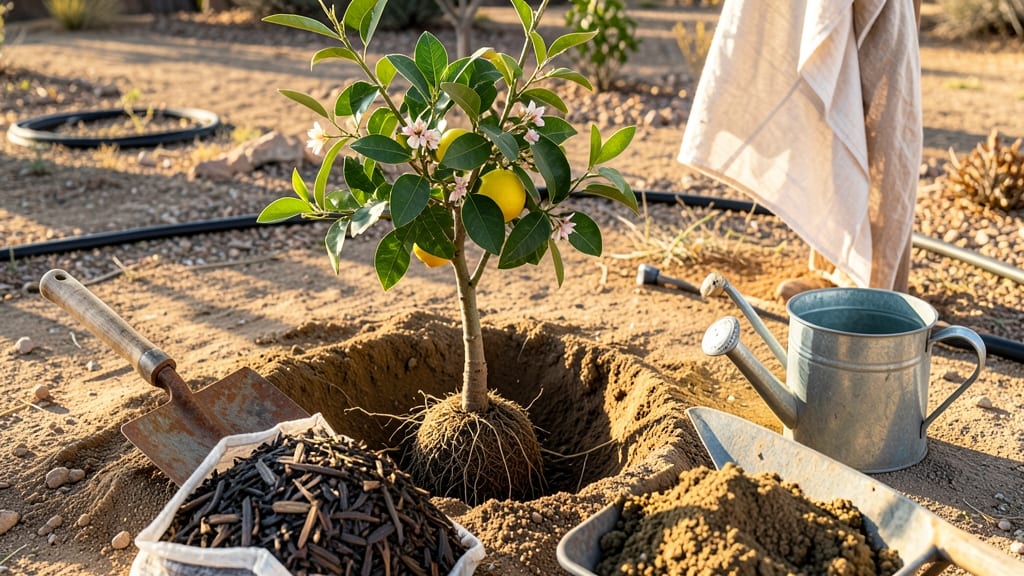
Planting fruit trees in Arizona isn’t just about picking the right variety—it’s about timing your move to beat the brutal summer heat and take full advantage of the state’s frost-free winters. With the right strategy, you can establish roots before the mercury soars, ensuring your 🍎 thrives year-round in USDA Zone 9b.
Most gardeners make the mistake of planting in spring or summer, only to watch their trees struggle under the relentless sun. The secret? Planting during Arizona’s dormant season—November through February—when cooler temperatures give young roots a fighting chance to establish before the heat arrives.
But here’s the catch: not all fruit trees are created equal in the desert. Some varieties, like drought-resistant citrus or hardy figs, handle Arizona’s climate like a pro, while others need extra care to survive.
I’ll break down the best planting windows for your specific microclimate—whether you’re in Phoenix’s low desert or Flagstaff’s cooler highlands—plus the top heat-resistant picks that actually thrive here.
Ready to turn your backyard into a fruit-bearing oasis? Let’s dive into the exact months, varieties, and pro tips that’ll set your trees up for success—and keep them producing for years to come.
Best months to plant fruit trees in Arizona (by climate zone)
Arizona’s diverse climate zones—from the low desert’s 115°F+ summers to the high desert’s rare frost risks—mean planting fruit trees isn’t one-size-fits-all. The best time to plant is during the dormant season (November–February), when roots establish before summer heat. But your microclimate (Phoenix vs. Flagstaff) changes everything.
Low-desert areas like Phoenix and Tucson (USDA Zones 9b–11) have zero frost risk, so you can plant bare-root trees year-round, but winter is ideal.
Mid-elevation zones like Prescott (Zone 7a) face light frost risk, while high-desert areas like Sedona (Zone 6b) need frost protection even in late spring.
Here’s how to align your planting with Arizona’s three key climate zones, including exact months, frost-free strategies, and heat-resistant varieties that thrive in each region.
🌱 Key Insight: Planting in winter (November–February) gives roots 3–4 months to establish before summer’s 100°F+ soil temps stress young trees.
| Climate Zone | Best Planting Months | Frost Risk | Soil Prep Tip | Top Varieties |
|---|---|---|---|---|
| Low Desert (Phoenix/Tucson) | November–February (ideal) or October–March (flexible) | None (Zone 10a+) | Amend with compost + sand for drainage | ‘Sicily’ Fig, ‘Oro’ Grapefruit, ‘Desert King’ Date |
| Mid-Elevation (Prescott) | November–January (avoid late Feb–March frost) | Low risk (Zone 7a) | Add organic matter to retain moisture | ‘2006’ Persimmon, ‘Bonanza’ Peach, ‘Improved Meyer’ Lemon |
| High Desert (Sedona) | October–November (before first frost) | Moderate (Zone 6b) | Use mulch + frost cloth for protection | ‘Arctic Sweet’ Apple, ‘Honeycrisp’ (with microclimate shelter) |
In low-desert zones, like Phoenix, citrus and figs thrive year-round, but bare-root planting in winter ensures roots grow deep before summer’s 110°F+ soil temps. Use well-draining soil with compost to prevent root rot—a common killer in clay-heavy desert soil.
For mid-elevation zones (e.g., Prescott), late winter (January) is critical—planting in February or March risks frost damage to tender new growth. Choose drought-tolerant varieties like peach or persimmon, which handle 100°F days better than apples.
High-desert areas (e.g., Sedona or Flagstaff) demand earlier planting (October–November) to avoid late-spring frosts. Wrap young trees in frost cloth and mulch heavily to insulate roots. Dwarf varieties (like ‘Arctic Sweet’ apple) are safer bets than full-size trees.
Pro tip: Avoid planting in summer—even heat-loving citrus struggle with establishing roots when soil temps exceed 90°F. If you must plant in summer, use shade cloth and drip irrigation to keep roots cool.
🌡️ Microclimate Hack: Check your local frost dates (e.g., Phoenix: none; Prescott: Dec 15–Jan 15). Use the Arizona AgriWeather tool to track soil temps—aim for 60–70°F soil when planting.
Best months to plant fruit trees in Arizona (by climate zone)
Arizona’s diverse climate zones—from the low desert of Phoenix to the high desert of Flagstaff—create wildly different planting windows for fruit trees. In low desert zones (USDA 9b-11), where temperatures rarely drop below freezing, you can plant year-round, but winter offers the best success.
Meanwhile, high desert areas (USDA 7b-8a) face occasional frost, so timing is critical to avoid cold damage.
The ideal planting window for most Arizona fruit trees is November through February, when trees are dormant and soil temperatures are cooler. This gives roots time to establish before the brutal summer heat arrives.
For citrus trees, which hate frost, planting in late fall or early spring minimizes risk in high-elevation areas.
Here’s how to adjust your planting schedule based on Arizona’s three key climate zones—plus the best varieties for each:
| Zone | Best Planting Months | Key Considerations | Top Varieties |
|---|---|---|---|
| Low Desert (Phoenix/Tucson) | November–February | Frost-free; prioritize drought-resistant and heat-tolerant varieties. | ‘Sicily’ Fig, ‘Oro’ Grapefruit, ‘Medjool’ Date |
| Mid-Elevation (Prescott, Sedona) | October–March | Occasional frost; plant after last frost date (typically late March). | ‘Lemon’ Citrus, ‘Santa Rosa’ Plum, ‘Elberta’ Peach |
| High Desert (Flagstaff) | April–May (or September) | Short growing season; choose cold-hardy varieties and protect young trees. | ‘Honeycrisp’ Apple, ‘Stanley’ Pear, ‘Brookhaven’ Peach |
Pro tip: If you’re in a borderline zone (like Yuma or Tucson’s outskirts), check your local frost dates—even low deserts can experience unexpected cold snaps in winter. For extra protection, plant windbreaks or use row covers for young trees until they’re established.
Soil prep is non-negotiable in Arizona. Amend heavy clay soils with compost or sand to improve drainage, and mulch heavily to retain moisture. In sandy soils, add organic matter like peat moss to help roots anchor. Avoid planting during peak summer—the heat stress will stunt growth for months.
For container-grown trees, you can plant anytime (they adapt faster), but winter still wins for root establishment. Just ensure your pots have drainage holes and use lightweight, well-draining soil** to prevent root rot in the desert’s intense heat.