
Planting
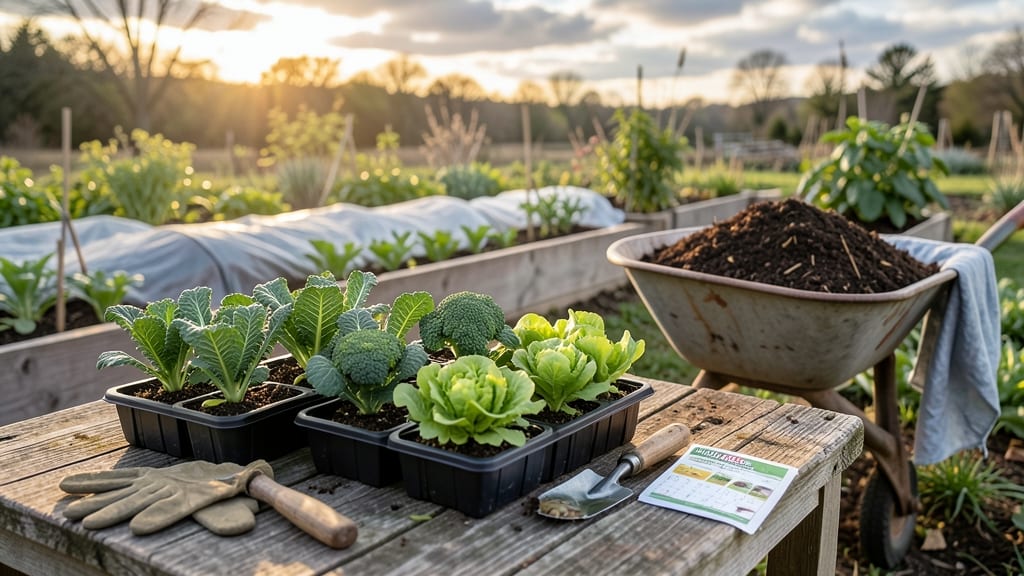
Maine’s frost-free dates by planting Zone: when to start seeds indoors vs. outdoors
Maine’s USDA hardiness zones 5b-6b mean your frost dates can vary dramatically between Southern Maine (Zone 6b) and Northern Maine (Zone 5b). The average last spring frost occurs between May 1-15, while the first fall frost hits as early as September 15 in the north.
Understanding these windows is critical for timing seed starts and direct sowing.
For Southern Maine, where zones are milder, you can start warm-season crops like tomatoes and peppers indoors as early as March 1.
In Northern Maine, wait until March 15 to avoid transplant shock from late frosts. Cool-season crops like spinach and peas, however, can handle early spring planting as soon as soil is workable (around April 1).
Here’s how to align your planting with Maine’s microclimates. Coastal areas (like Portland or Bar Harbor) often experience 2-3 weeks earlier last frosts than inland regions (like Bangor or Presque Isle). Use these frost-free timelines to plan your garden:
| Zone & Location | Avg. Last Frost | Indoor Seed Start | Outdoor Planting Window | Frost-Free Days |
|---|---|---|---|---|
| Zone 6b (Southern Maine: Portland, Kittery) | May 1-7 | March 1-15 (warm crops) | April 20-May 15 (cool crops), May 15-June 1 (warm crops) | 160-180 days |
| Zone 6a (Central Maine: Augusta, Waterville) | May 8-15 | March 15-April 1 | May 1-June 1 (cool crops), June 1-15 (warm crops) | 140-160 days |
| Zone 5b (Northern Maine: Bangor, Presque Isle) | May 15-31 | April 1-15 | May 15-June 1 (cool crops), June 15-July 1 (warm crops) | 120-140 days |
| Coastal Microclimates (e.g., Acadia) | April 25-May 10 | February 28-March 15 | April 10-May 1 (cool crops), May 10-June 1 (warm crops) | 170-190 days |
For cool-season crops like kale, spinach, and peas, you can even get a fall harvest by planting seeds in late July or early August.
These plants thrive in 50-60°F soil and can tolerate light frosts. Warm-season crops, including tomatoes, peppers, and cucumbers, need soil temperatures above 60°F and should only be planted after your last frost date.
Use a soil thermometer to confirm readiness—50°F for cool crops and 60°F+ for warm crops. If your soil is too cold, seedlings may rot or fail to germinate. Northern Maine gardeners should prioritize fast-maturing varieties (like ‘Early Girl’ tomatoes) to maximize yields before frost.
Pro tip: Start seeds indoors 6-8 weeks before your last frost date for warm-season crops. Use grow lights to prevent leggy seedlings, and harden off plants for 7-10 days before transplanting. This gradual acclimation reduces shock and boosts survival rates in Maine’s unpredictable spring weather.
If you’re unsure about your exact frost dates, check the Maine State Climate Office or use a local weather station like NOAA’s Climate Data. Historical records show that coastal areas can be 2-3 weeks earlier than inland
Best planting schedule for Maine’s top 10 vegetables: from potatoes to tomatoes
Maine’s short growing season means timing is everything—especially when it comes to planting vegetables. Whether you’re growing cold-hardy greens like spinach or heat-loving tomatoes, knowing the right planting windows can mean the difference between a bountiful harvest and wasted seeds.
Let’s break down the best times to sow your top crops in Maine’s USDA Zones 5b-6b.
For cool-season crops like potatoes and peas, you can start as early as late March to April, often under row covers or in a cold frame.
These hardy plants can handle Maine’s chilly springs, but wait until the soil warms to at least 45°F for potatoes. Warm-season crops, including tomatoes, peppers, and beans, need to wait until after the last frost, typically mid-May to early June, when soil temperatures reach 60°F+.
🌱 Tip: Use Maine’s frost-free timeline as your guide—most regions see their last frost around May 15, but coastal areas may be 1-2 weeks earlier. Always check your local frost dates for precision.
📅 Maine’s Top 10 Vegetables & Planting Schedule
- Potatoes: Plant late March to April (seed potatoes in soil when soil is workable). Harvest in July-August.
- Peas: Sow early spring (April) or late summer (August) for a fall crop. Ready in 60-70 days.
- Spinach/Kale: Start early spring (March-April) or late summer (August). Harvest 40-60 days after sowing.
- Lettuce: Plant March-April or August-September for fall harvests. Use row covers for early starts.
- Onions: Sow indoors in March, transplant April-May. Harvest July-August.
- Carrots: Plant April-May or late July for fall harvests. Thin seedlings to 2-3 inches apart.
- Tomatoes: Start indoors in March-April, transplant after last frost (mid-May). Harvest July-September.
- Peppers: Begin indoors in April, transplant late May-early June. Needs warm soil (70°F+).
- Beans: Sow after last frost (May-June), when soil is 60°F+. Harvest in 60-70 days.
- Corn: Plant late May-early June (needs warm soil and consistent moisture). Harvest August-September.
For succession planting, which is key in Maine’s short season, consider sowing lettuce, radishes, or beans every 2-3 weeks after the initial planting. This ensures a steady harvest and maximizes your garden space.
For example, if you plant radishes every 10 days from May to July, you’ll enjoy fresh harvests all summer long.
Don’t forget about fall planting! Many cool-season crops like kale, spinach, and carrots thrive when planted in late summer (August). These plants actually sweeten in the cold, making them perfect for Maine’s crisp autumn days. Just be sure to use row covers if early frosts threaten.
Pro tip: Mark your calendar with Maine’s frost dates and adjust your planting schedule accordingly. For example, if you’re in Zone 5b, aim to have tomatoes transplanted by May 20 to ensure they mature before the first frost in mid-October.
With careful planning, you can enjoy a garden bursting with fresh produce all season long! 🌿