
Plants
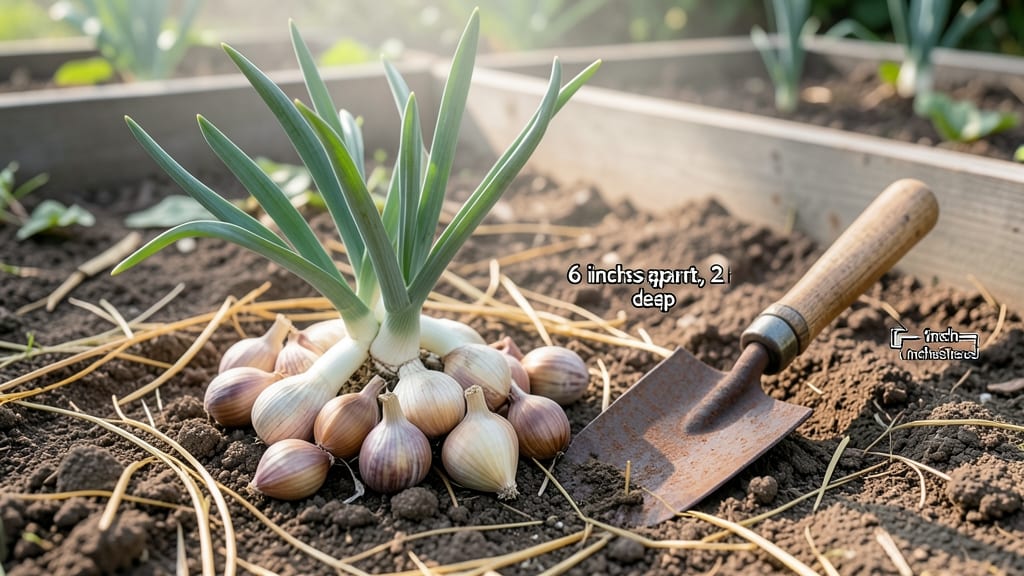
Best planting dates for Zone 5 garlic by moon phase and soil temperature
Timing your garlic planting in Zone 5 isn’t just about picking a month—it’s about aligning with soil temperatures between 40-50°F and the root-building moon phases.
These factors determine whether your cloves establish roots before winter or rot in cold, soggy soil. Let’s break down the science-backed window for foolproof results.
The ideal planting window in Zone 5 stretches from mid-October to mid-November, but the exact dates depend on your last expected frost and soil conditions.
For example, if your area typically freezes by November 15th, aim to plant by October 20th to give roots time to anchor before dormancy. Use a soil thermometer to confirm temperatures—below 40°F signals it’s too late.
Here’s the golden rule: Plant cloves 4-6 weeks before the ground freezes. This timing ensures roots form but bulbs remain dormant until spring. Miss this window, and you risk frost-heaving (bulbs pushing up from freezing/thawing cycles) or rot from excess moisture in cold soil.
In Zone 5, this usually means October 1st to November 15th, but adjust based on your microclimate.
Moon phases also play a role, though they’re secondary to soil temps. Plant during the waxing moon (root-building phase) for stronger root systems. For example, a full moon in early October is ideal—cloves planted then will establish roots before the waning moon (bulb-development phase) kicks in next spring.
Check a lunar planting calendar for your specific dates.
Pro tip: If you’re unsure about your frost dates, use the USDA Plant Hardiness Zone Map and add 4-6 weeks to your first hard frost date. For instance, if your zone 5 area’s first frost is October 20th, plant by September 25th.
However, soil temperature trumps calendar dates—always verify with a thermometer.
🌱 Zone 5 Garlic Planting Timeline
| Stage | Action | Moon Phase | Soil Temp |
|---|---|---|---|
| Prep Soil | Add compost, loosen 12" deep | Waxing | 50-60°F |
| Plant Cloves | 4" deep, pointy-end up | Waxing | 40-50°F |
| Mulch Heavy | 6" straw for insulation | Any | Below 32°F |
| Spring Check | Remove mulch, watch for sprouts | Waning | 45°F+ |
| Harvest Ready | Lower leaves brown, bulbs firm | Waning | 70°F+ |
🌡️ Key: Waxing moon = root growth; Waning moon = bulb development
If you’re new to garlic planting, here’s a quick soil temperature cheat sheet for Zone 5:
- 50-60°F: Perfect for planting (roots establish fast).
- 40-50°F: Still safe, but roots grow slower.
- Below 40°F: Risk of rot or frost heaving—wait or mulch heavily.
For extended harvest windows, consider planting a mix of early varieties (e.g., ‘Silverskin’) and late varieties (e.g., ‘German White’). Early types mature faster and can handle slightly later plantings, while late types need the full winter dormancy.
Stagger your planting by 2-3 weeks to spread out your harvest from July to August.
One common mistake? Planting in September
Best planting dates for Zone 5 garlic by moon phase and soil temperature
Timing your garlic planting in Zone 5 isn't just about picking a month—it's about syncing with soil temperatures and lunar cycles for maximum bulb development.
The ideal window is 4-6 weeks before your first hard frost, typically late October to early November, when soil temps drop to 40-50°F. This cold shock triggers root growth while protecting cloves from winter kill.
Garlic thrives when planted during the rooting moon phase (when the moon is in Taurus, Virgo, or Capricorn), which enhances root development. Check a lunar planting calendar to align your planting with these phases—this can boost bulb size by up to 20% compared to random planting dates.
| Factor | Zone 5 Specification | Why It Matters |
|---|---|---|
| Soil Temperature | 40-50°F (4-10°C) | Triggers root growth without freezing cloves. |
| Moon Phase | Rooting phase (Taurus, Virgo, Capricorn) | Enhances bulb development and disease resistance. |
| Planting Depth | 2 inches deep (pointy end up) | Prevents frost heave and ensures even emergence. |
| Spacing | 4-6 inches apart | Reduces competition and improves air circulation. |
| Last Planting Window | Early December (if soil hasn't frozen) | Late planting may result in smaller bulbs. |
If you miss the October-November window, you can still plant in early December, but bulbs will be smaller. The key is to plant before the ground freezes solid. Use a soil thermometer to confirm temps are above 32°F (0°C)—this prevents cloves from freezing before roots establish.
For Zone 5 gardeners, hardneck varieties like 'German Red' or 'Music' are ideal—they handle cold better than softnecks. Plant them in October for a summer harvest, while softnecks like 'Silverskin' can tolerate slightly later planting in November if you're aiming for storage garlic.
Pro tip: Mark your calendar for 6-8 weeks before your average last frost date. In most of Zone 5, this lands in late October. Pair this with a 3-inch layer of straw mulch after planting to insulate cloves through winter.
This dual approach—timing + insulation—is your ticket to zero-frost garlic success.
Don't stress if your soil is still warm in October—wait for temps to drop naturally. Rushing into 90°F+ soil can cause cloves to sprout prematurely, leaving them vulnerable to frost damage. Patience here pays off with larger, healthier bulbs next summer.