
Plants
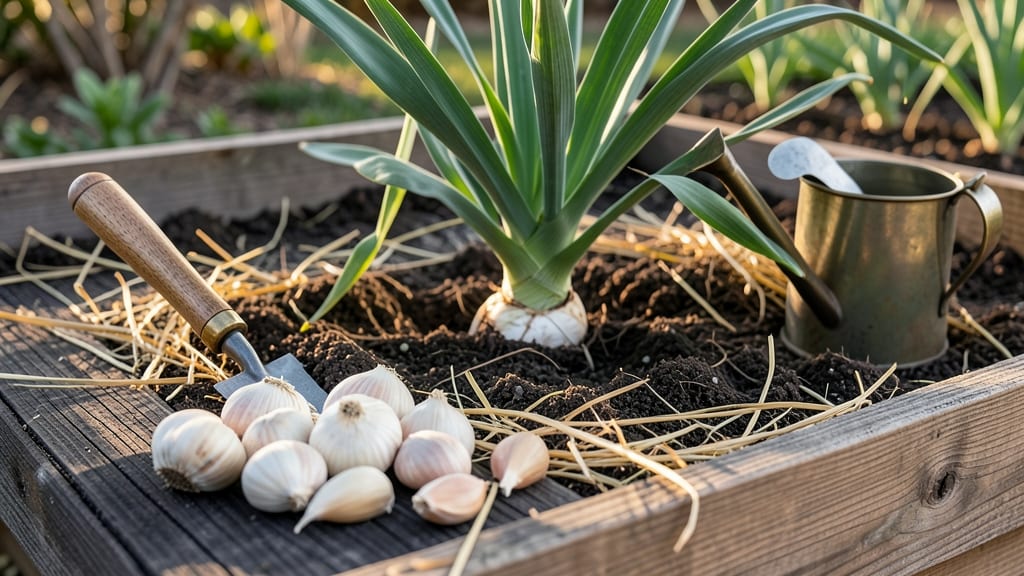
Planting garlic in Las Vegas isn't just about timing—it's about beating the heat and avoiding the rare but possible frost that can wipe out your crop before it even starts.
With the right schedule, you can grow hardy, flavorful bulbs that thrive in the desert's unique conditions, but get it wrong, and you might end up with nothing but frustration.
Most gardeners in USDA Zone 9b know the fall window between October and November is ideal, but why? It's all about giving your 🧄 the cool weather it craves to form strong bulbs before the summer heat kicks in.
This isn't just theory—it's what separates a thriving harvest from a failed attempt.
In this guide, I'll walk you through the exact months to plant, how to prep your soil for Las Vegas' sandy conditions, and the critical adjustments you need to make for desert gardening.
Whether you're a seasoned gardener or just starting, these tips will help you grow garlic that's ready to harvest by late June or July.
Ready to grow garlic that actually survives the Vegas climate? Let's dive into the best strategies for planting, caring for, and harvesting your crop—without the guesswork.
Las Vegas garlic planting calendar: month-by-month breakdown for maximum yield
Las Vegas’ USDA Zone 9b climate means garlic thrives in cool fall temperatures but struggles with summer heat. Unlike colder regions, we don’t have to worry about hard freezes, but late fall planting still gives bulbs time to mature before summer’s heat.
Here’s your month-by-month guide to planting garlic for a bountiful harvest.
Garlic needs 60–70°F soil temperatures to form bulbs, which Las Vegas hits in October and November. Planting too early (like September) risks premature sprouting, while planting too late (December+) delays bulb development. The sweet spot is mid-October to early November.
🌱
| Month | Action | Notes |
|---|---|---|
| September | Soil Prep | Test soil pH (6.0–7.0). Amend with compost. |
| October | Plant Cloves | Ideal time! 4–6 weeks before first frost (rare in Vegas). |
| November | Plant Cloves | Last chance for fall planting. Use mulch to retain moisture. |
| December | Monitor Growth | Shoots emerge in mild winters. Avoid overwatering. |
| January–February | Growth Phase | Focus on even moisture and weed control. |
| March–April | Bulb Formation | Reduce watering slightly to harden bulbs. |
| June–July | Harvest | When lower leaves brown and bulbs firm up. |
For hardneck garlic (like ‘Music’ or ‘German White’), plant by mid-October to ensure scapes form in spring. Softneck varieties (e.g., ‘Silverskin’) are more flexible and can handle late November plantings, though yields may be smaller.
Las Vegas’ sandy soil drains quickly, so amend beds with compost to retain moisture. Add a 2–3 inch mulch layer (straw or wood chips) after planting to protect cloves from temperature swings and evaporation.
If you miss fall planting, spring garlic is possible but risky. Plant in February for a smaller harvest, but bulbs won’t mature fully before summer heat. Prioritize shade cloth if attempting this method.
🌿
Pro tip: Use organic cloves from local nurseries (like Desert Bloom Nursery) for better disease resistance in Vegas’ climate. Avoid store-bought garlic, which often won’t sprout reliably.
Track your garlic’s progress with a planting journal. Note when shoots emerge, scapes form (for hardnecks), and bulbs swell. This helps refine your future planting schedule for even better results.
How to adjust garlic planting for Las Vegas' unique climate challenges
Las Vegas presents unique challenges for garlic growers, thanks to its desert climate and extreme temperature swings. Unlike cooler regions, garlic here must balance heat tolerance with frost avoidance, even though frost is rare.
The key is choosing the right garlic variety and preparing your soil to retain moisture while protecting bulbs from summer heat.
Most gardeners in USDA Zone 9b opt for softneck garlic varieties like 'Silverskin' or 'Artichoke', which handle mild winters better than hardneck types. These varieties also store longer, making them ideal for Las Vegas' long growing season.
However, if you live in slightly cooler microclimates (like higher elevations), hardneck varieties like 'Rockstar' can still work with careful timing.
✅ DO:
- Plant softneck garlic for mild winters
- Use 3-4 inches of mulch to retain moisture
- Water deeply in mornings to avoid evaporation
- Choose raised beds for better drainage
- Plant in October-November for ideal bulb formation
❌ DON'T:
- Plant hardneck varieties unless in cooler zones
- Skip soil amendments for sandy desert soil
- Water at night (promotes fungal growth)
- Plant in summer heat (garlic bolts prematurely)
- Ignore shade cloth for young plants in summer
Preparing your soil is critical in Las Vegas' sandy, nutrient-poor soil. Before planting, mix in 2-3 inches of compost or well-rotted manure to improve water retention and fertility.
Sandy soil drains too quickly, so add organic matter like leaf mold or coconut coir to create a more stable growing medium. Test your soil's pH—garlic prefers a slightly acidic to neutral range of 6.0-7.0.
One of the biggest challenges is heat stress during summer months. Even though garlic is a cool-season crop, young plants can struggle when temperatures exceed 85°F. Use shade cloth (30-50%) during the hottest months (June-August) to protect emerging shoots.
Alternatively, plant in areas with natural afternoon shade from structures or taller plants. Mulching with straw or wood chips helps regulate soil temperature and reduces water loss.
Watering in Las Vegas requires a delicate balance—too little and your garlic will bolt; too much and it may rot. Aim for 1 inch of water per week, delivered deeply in the morning to minimize evaporation.
Drip irrigation is ideal, as it delivers water directly to the roots without wetting the leaves (which can lead to fungal diseases). Avoid overhead sprinklers, especially in the evening when humidity is higher.
Finally, monitor your garlic for signs of heat stress or nutrient deficiencies. Yellowing leaves may indicate overwatering or poor drainage, while stunted growth could mean insufficient nutrients.
In Las Vegas' climate, garlic planted in late November often produces larger bulbs because it avoids the worst summer heat while still benefiting from cooler winter temperatures. With these adjustments, you can successfully grow garlic in the desert!