
Plants
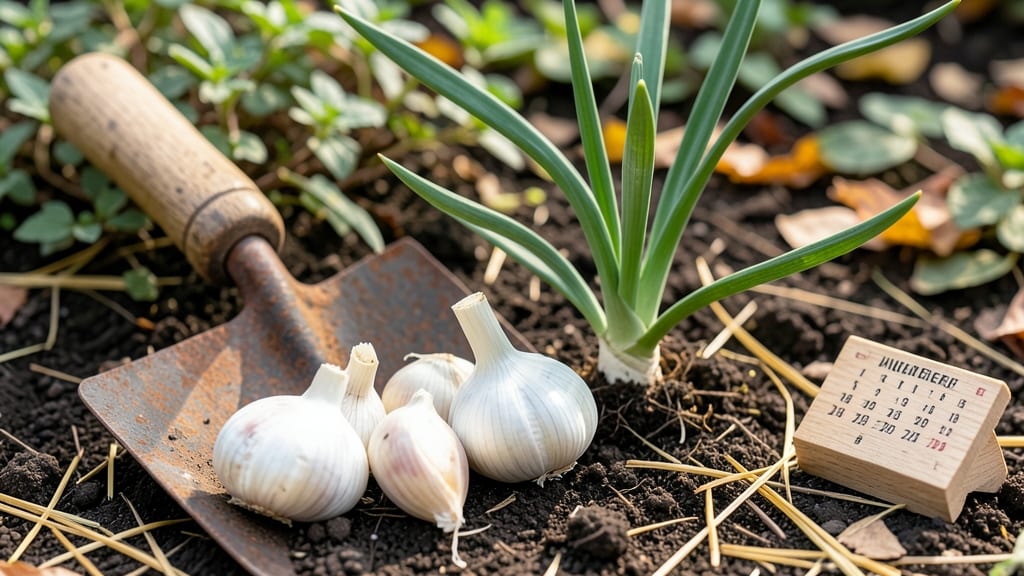
Optimal fall planting window for Zone 8a garlic
In Zone 8a, the 4-6 week window before your first hard frost is your garlic’s golden opportunity. For most of this zone, that means planting between mid-October and early November.
This timing ensures your garlic develops strong roots before winter dormancy, setting the stage for next summer’s harvest.
Your exact planting date depends on local frost patterns. In Zone 8a, the average first frost arrives around December 15, so aim to plant 6 weeks before that.
For example, if your frost date is December 10, plant by November 15. Use your local USDA frost calendar as your guide.
Soil temperature plays a crucial role. Garlic roots need to establish in soil that’s below 60°F (15°C) but not frozen. In Zone 8a, soil temps typically drop below 60°F by early November, making this the ideal window. If your soil stays warm longer, you may need to plant slightly earlier.
Here’s how to calculate your perfect planting window:
- Find your average first frost date (Zone 8a: ~Dec 15)
- Subtract 6 weeks (42 days)
- Plant between mid-October and early November
- Adjust 1 week earlier if your winters are colder than average
| Zone 8a Planting Timeline | Key Actions |
|---|---|
| Mid-October | Soil temp drops below 60°F - ideal for planting |
| Late October | Last chance for hardneck varieties; roots establish quickly |
| Early November | Softneck varieties can still be planted; focus on root growth |
| Mid-November | Risk of frost increases; avoid planting after this |
| December 15 | Average first hard frost in Zone 8a |
For Zone 8a gardeners, the ideal planting window is October 15 to November 1. This range accounts for the zone’s mild winters while ensuring garlic has time to establish roots before dormancy.
If you’re in the warmer end of Zone 8a (near 8b), you might push planting to early November.
Pro tip: Use a soil thermometer to confirm your soil is below 60°F. If it’s still above, wait a few days. Cold soil helps prevent premature bolting—when garlic flowers too early and produces smaller bulbs.
In Zone 8a, this is less of a risk than in colder zones, but still worth monitoring.
If you miss the fall window, don’t panic! You can plant garlic in Zone 8a during winter (December-January), but expect smaller bulbs. The key is to plant before the ground freezes solid. For winter planting, aim for December 1-15 and use mulch heavily to protect cloves.
Remember, garlic planted in Zone 8a’s fall window will produce bulbs the following late June to early July. The longer the cold period (even if mild), the larger and more flavorful your bulbs will be.
So mark your calendar, set reminders, and get those cloves in the ground at the perfect time!
For extra insurance, plant a test row a week before your target date. If the garlic thrives with no signs of stress, you’ve found your sweet spot. If it struggles, adjust your planting time for next year.
How to adjust planting time for different garlic types
Not all garlic varieties thrive on the same schedule in Zone 8a. The two main types—hardneck and softneck—have distinct cold requirements that can shift your planting window by weeks.
Hardnecks, like Rocky Mountain or Silverskin, need a longer cold period (40–60 days below 40°F) to form bulbs, while softnecks, such as Artichoke, tolerate milder winters and can handle shorter chilling.
In Zone 8a, where winters are mild but frost still occurs, hardnecks should go in the ground 6–8 weeks before the first hard frost (typically late October to early November).
Softnecks, however, can often wait until mid-November or even early December, giving you a broader window to adjust for late-season planting.
If you’re growing elephant garlic, a hardneck relative, plant it 2–3 weeks earlier than standard hardnecks—its larger cloves need extra time to establish roots before winter sets in. For purple stripe varieties, aim for early October to ensure they get enough cold exposure.
Hardneck vs. Softneck Garlic in Zone 8a
Hardneck Garlic
- Cold Requirement: 40–60 days below 40°F
- Planting Window: Late Oct–Early Nov
- Best Varieties: Rocky Mountain, Silverskin
- Pros: Larger cloves, more flavorful
- Cons: Needs precise timing
Softneck Garlic
- Cold Requirement: 30–40 days below 40°F
- Planting Window: Mid-Nov–Early Dec
- Best Varieties: Artichoke, California Early
- Pros: More flexible timing
- Cons: Smaller bulbs, milder flavor
🌱 Pro Tip: Use a soil thermometer to confirm 40°F soil temps before planting—this is your cue for hardnecks!
For late-season adjustments, monitor your local frost forecasts. If an early frost is predicted, plant hardnecks 2 weeks sooner and cover them with straw mulch (3–4 inches) to insulate roots.
Softnecks, however, can often handle light frosts without extra protection, making them ideal for December planting if you miss the earlier window.
If you’re experimenting with organic garlic or heirloom varieties, check their specific chilling needs—some may require even longer cold exposure.
For example, German White hardnecks need 60+ days of cold, so plant them by mid-October in Zone 8a. Always prioritize root establishment over bulb development during your first growing season.
Remember, the key to success in Zone 8a is balancing cold exposure with root growth. Whether you’re planting hardnecks or softnecks, aim for 4–6 weeks of root development before winter dormancy
Start with small test plots if you’re unsure about timing, and adjust based on your garlic’s progress.