
Plants
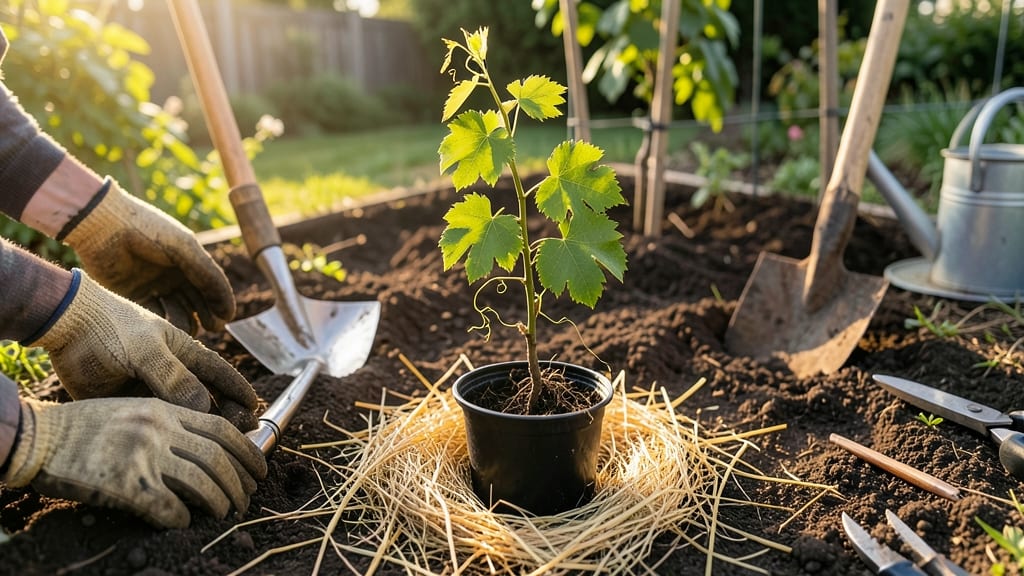
Best planting windows for grape vines in Zone 7 by variety type
Zone 7’s variable frost dates—ranging from March 15 to November 15—make timing critical for grape vine success. Planting too early risks frost damage, while late planting may delay root establishment before winter.
The ideal windows depend on your grape variety’s cold hardiness and whether you’re using bare-root or container-grown vines.
For cold-hardy varieties like Concord or Niagara, late winter to early spring (February–April) is best. These vines can tolerate 20°F (-6°C) and establish roots before summer heat arrives. Tender varieties like Cabernet Sauvignon need earlier fall planting (September–October) to root before frost.
Soil temperature is your best guide: Aim for 50°F (10°C) or warmer. Use a soil thermometer to check—cold soil slows root growth, leaving vines vulnerable to winter dieback. In Zone 7a (colder sub-zone), prioritize fall planting; in Zone 7b, spring planting works well for hardy types.
🍇
Grape Vine Planting Windows by Variety
| Variety Type | Cold Hardiness | Best Planting Window | Key Consideration |
|---|---|---|---|
| Cold-Hardy (Concord, Niagara, Marquette) | 20°F (-6°C) | Late Winter–Early Spring (Feb–Apr) | Soil temp ≥50°F (10°C); avoid late frosts |
| Semi-Hardy (Chambourcin, Catawba) | 10°F (-12°C) | Early Fall (Sep–Oct) or Early Spring | Fall roots need 6+ weeks to establish |
| Tender (Cabernet Sauvignon, Merlot) | 15°F (-9°C) | Early Fall Only (Sep) | Mulch heavily; protect with row covers |
| All Varieties (Bare-Root) | Varies | Dormant Season (Nov–Mar) | Plant before buds swell; keep roots moist |
💡 Pro Tip: For tender varieties, use black plastic mulch in winter to insulate roots.
If you miss the primary windows, don’t panic. Container-grown vines can be planted as late as mid-October in Zone 7b, provided you mulch deeply (12+ inches) and use frost cloth for the first winter. However, bare-root vines planted after April 15 risk poor root establishment before summer heat.
For dormant-season planting (November–March), focus on soil prep first. Amend the soil with compost and well-rotted manure 4–6 weeks before planting. This jumpstarts microbial activity, giving roots a head start when you finally plant. Zone 7a gardeners should prioritize fall planting to avoid spring’s unpredictable frosts.
🌱
Another critical factor is canopy training. Plant cold-hardy varieties near a south-facing wall or trellis to harness winter sun.
This passive solar heating can raise temperatures by 5–10°F during cold snaps, protecting buds. Tender varieties, meanwhile, benefit from overhead protection like hoop houses or frost blankets during late spring/early fall.
🌡️
Finally, monitor local microclimates. A low-lying area may frost 2 weeks earlier than a hilltop site. Use a frost-free date calculator (like the USDA Plant Hardiness Tool) to refine your timing.
In Zone 7b, you might safely plant tender varieties until October 15, while Zone 7a should aim for September 15 or earlier.
📅
How to prepare grape vine planting sites for Zone 7’s frost risks
Zone 7’s unpredictable frost patterns—where late springs and early winters can damage young grape vines—make site preparation critical. The key is creating a microclimate that protects roots while ensuring proper drainage to prevent winter dieback.
Start by selecting a location with south-facing exposure to maximize sunlight and warmth during critical growing months.
Before planting, test your soil’s drainage and pH levels. Grape vines hate soggy roots, so amend heavy clay soils with organic matter like compost or well-rotted manure. Aim for a pH between 6.0 and 7.0, as grapes thrive in slightly acidic to neutral conditions.
A simple soil test kit will give you the exact adjustments needed.
🌱
Next, focus on mulching and wind protection. Apply a 4-6 inch layer of organic mulch (straw or wood chips) around the base of your vine to insulate roots during winter.
For added protection, plant near a fence, trellis, or building to create a windbreak, which can raise temperatures by 5-10°F in still conditions.
If your garden experiences poor drainage, consider planting on a slight mound or installing a French drain to redirect excess water. Grape vines in waterlogged soil are prone to root rot, which can be fatal. Elevate the planting area if your yard tends to stay wet after rain.
Finally, install a trellis or arbor immediately after planting to support the vine’s growth. This not only saves space but also allows for better air circulation, reducing the risk of fungal diseases like powdery mildew.
Choose a trellis that’s at least 6 feet tall to accommodate the vine’s rapid vertical growth in its first year.
With these preparations, your grape vines will have the best chance to establish strong roots before Zone 7’s first frost—setting the stage for a productive harvest in years to come. 🌿