
Plants
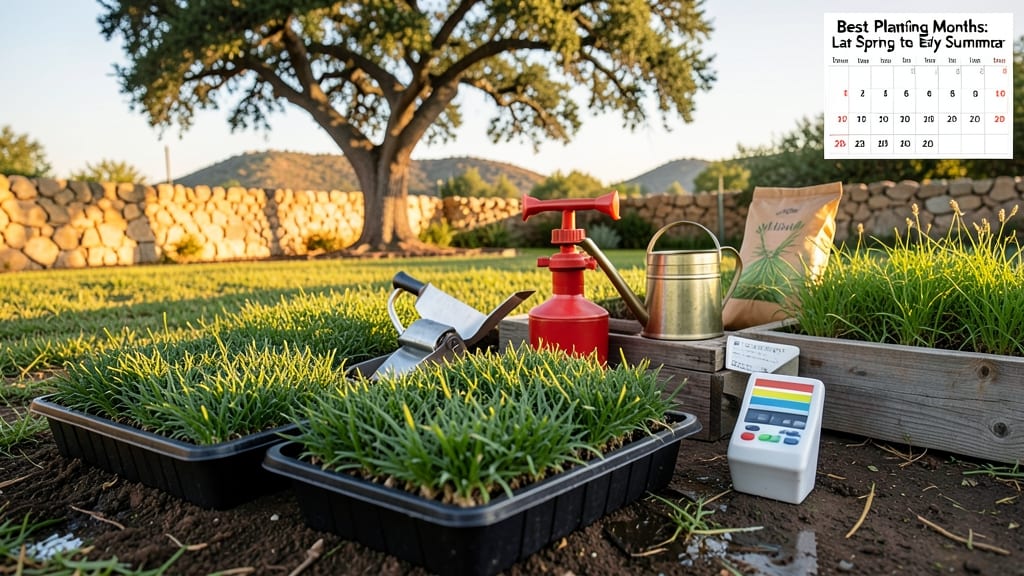
Planting grass in San Antonio at the wrong time can mean weak roots, patchy growth, or even wasted money—especially with our hot summers and unpredictable rains.
The key to a lush, resilient lawn lies in understanding when to plant grass in San Antonio, where timing isn’t just a suggestion, it’s a game-changer.
Most local gardeners swear by fall planting—between August and October—when soil temperatures are just right for root establishment. This window avoids the brutal summer heat and gives your grass a strong start before winter arrives.
But is spring planting ever a good idea? We’ll break down the pros and cons so you can make the best choice for your yard.
Whether you’re seeding a new lawn or overseeding an existing one, the right preparation makes all the difference. From soil prep to watering schedules, I’ll share the most important steps tailored to San Antonio’s unique climate. Let’s dive into how to give your grass the best shot at thriving year-round.
Don’t let another season pass with a lackluster lawn. By following these expert-backed tips, you’ll learn how to plant grass at the perfect time for strong, healthy growth. Your future self—and your neighbors—will thank you!
Best months to plant grass in San Antonio for strong root establishment
San Antonio’s USDA Zone 8b climate means your grass faces hot summers and mild winters, making timing critical. The ideal window for planting is late summer through early fall, when soil temperatures drop and rainfall increases.
This period—August through October—gives grass seeds the perfect chance to establish deep roots before winter dormancy.
Why fall? Cool soil temperatures (60-75°F) reduce seed stress, while consistent rainfall cuts down on manual watering. Plus, fewer weeds compete for nutrients, giving your new lawn a head start. Skipping this window often leads to weak germination or patchy growth due to summer heat or winter dormancy.
Spring planting (March-April) is riskier in San Antonio because high temperatures and drought conditions can stress young grass. However, drought-tolerant varieties like Buffalo grass or Zoysia may handle it better. Always check soil moisture before committing—dry spells can turn seed into dust.
Pro Tip: Use a soil thermometer to confirm temperatures. Aim for 60-75°F at a 4-inch depth. If it’s hotter, wait—your grass will thank you with stronger roots and longer-lasting greenery.
| Planting Window | Soil Temp (°F) | Rainfall | Root Growth |
|---|---|---|---|
| August - October (Fall) | 60-75°F | Moderate to High | Excellent (deep roots) |
| March - April (Spring) | 70-85°F | Low to Moderate | Weak (heat stress risk) |
| July (Late Summer) | 85-95°F | Low | Poor (drought risk) |
| November (Late Fall) | 50-60°F | Moderate | Good (slow growth) |
🌱 Best Results: Fall planting (Aug-Oct) for strong root systems.
If you’re considering sod vs. seed, fall is also the best time for sod installation. Cool-season grasses like Tall Fescue thrive in these conditions, while warm-season grasses (e.g., Bermuda) can be planted in late spring but require extra watering to survive summer.
Watch for San Antonio’s first frost (around December 1) when planning. Grass planted too late may not establish before dormancy, leading to thin, weak growth next spring. Always test soil moisture—dry spells in September-October can stall germination.
For shade-tolerant options, consider St. Augustine or Centipede grass, which handle San Antonio’s partial shade better than Bermuda. These varieties also recover faster from heat stress, making them ideal for south-facing yards with afternoon shade.
One common mistake? Planting in July or early August when soil temps exceed 85°F. Seeds dry out before sprouting, and young grass burns under direct sun. Instead, water deeply twice daily (morning and evening) if you must plant early—just know the survival rate drops significantly.
Remember: Preparation is key. Clear weeds, loosen soil, and add compost before planting. This 3-step prep ensures your grass gets the nutrients and moisture it needs to outcompete weeds and thrive year-round.
Best months to plant grass in San Antonio for strong root establishment
San Antonio’s USDA Zone 8b climate means fall planting is your golden window for a lush lawn. Between August and October, soil temperatures hover at the perfect 60-75°F range—ideal for seed germination and root growth.
This timing avoids the brutal summer heat and gives grass a head start before winter dormancy.
Spring planting (March-April) is riskier here due to unpredictable rains and sudden heat spikes. But if you must plant in spring, early March offers the best chance before temperatures soar above 80°F, which stresses young grass. Most local experts recommend fall over spring for consistent success.
Why fall? Cooler temps reduce water evaporation, while consistent rainfall (San Antonio averages 2.5 inches/month in September) keeps soil moist. Plus, grass establishes deep roots before winter, making it drought-resistant by next summer.
🌱Pro Tip: Check soil temps with a soil thermometer—aim for 65-70°F for Bermuda grass or 60-65°F for St. Augustine. If temps dip below 55°F, delay planting until conditions improve.
🌱 San Antonio Grass Planting Timeline
| Season | Best Months | Soil Temp (°F) | Rainfall (in) | Grass Type |
|---|---|---|---|---|
| Fall | August-October | 60-75°F | 2.5-3.5" | Bermuda, St. Augustine, Zoysia |
| Spring | March-April | 65-75°F | 1.5-2.5" | Bermuda, Buffalo Grass |
| Avoid | May-September | Above 80°F | Variable | All types (high stress) |
🌿Local Insight: San Antonio’s clay-heavy soil drains poorly when dry, so amend with compost before planting. Test your soil’s pH—most grasses thrive at 6.0-7.0. If your yard is shady, opt for shade-tolerant Bermuda or fine fescue instead of sun-loving St. Augustine.
Timing isn’t just about months—it’s about weather patterns. Monitor San Antonio’s 10-day forecast for consistent rainfall or plan to irrigate manually after planting. A drip irrigation system is ideal for maintaining 1-1.5 inches of water weekly during establishment.
💡Final Tip: If you miss fall, don’t despair—November can still work for cool-season grasses like ryegrass. Just be prepared for slower growth as temps drop. For warm-season grasses, wait until next August.