
Companion Plants
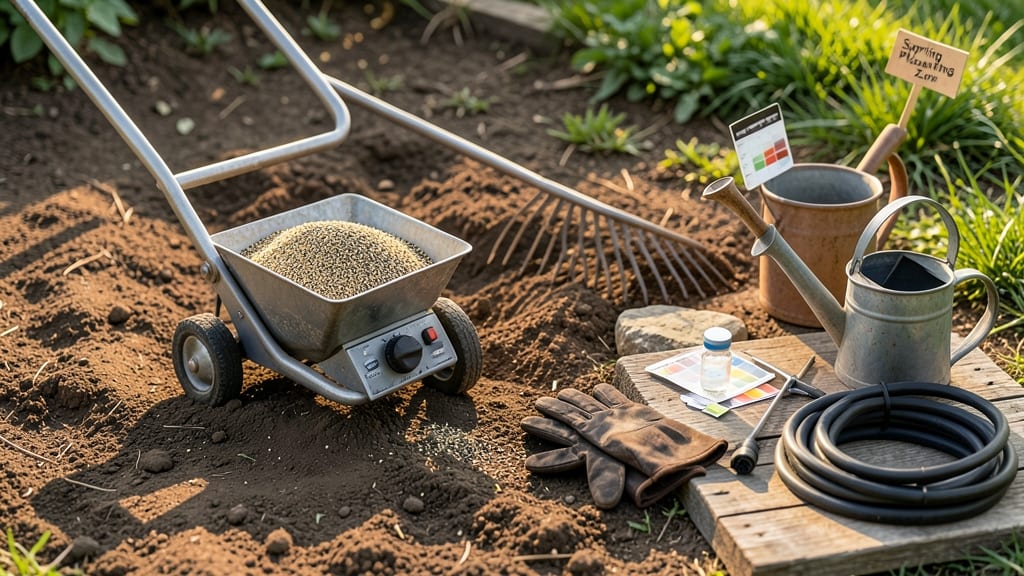
Timing your grass seed planting in Pennsylvania’s unpredictable spring can mean the difference between a lush, green lawn and a frustrating battle with weeds or frost damage.
With USDA zones 5b-7a and varying last frost dates across the state, getting it right takes more than just guessing—it’s about understanding your local climate and soil conditions. Whether you're in Philadelphia’s warmer microclimate or Pittsburgh’s cooler hills, the ideal window for planting 🌱 grass seed is narrow but critical.
Most Pennsylvania gardeners wait until after the last frost—typically mid-April—but soil temperature is the real game-changer. Grass seeds need warm soil, ideally between 50-65°F, to germinate properly. Planting too early risks frost heave, while waiting too long can lead to slow growth or weed takeover.
I’ll break down the exact steps to check your soil temperature and align your planting schedule with Pennsylvania’s spring frost-free window.
You might think all spring months are equal, but that’s a common mistake. Early April can still bring frost, while late May might be too hot for optimal germination.
The key is balancing soil warmth, moisture levels, and weather forecasts—and I’ll show you how to do it right. Let’s dive into the best practices for a thriving lawn this season.
From choosing the right grass seed variety for your region to avoiding costly errors, this guide covers everything you need to know. Whether you’re seeding a new lawn or overseeding an existing one, timing is everything.
Stick around to learn how to turn your Pennsylvania spring into the perfect season for grass seed success.
Ideal soil temperature and frost-free window for PA grass seed planting
Pennsylvania’s spring weather can be as unpredictable as a Philadelphia snowstorm in April. To ensure your grass seed germinates properly, timing is everything—soil temperature and frost-free windows are your two best friends.
For most cool-season grasses (the best choice for PA), aim to plant when soil temps hit 50-65°F and stay consistent for at least a week.
If you plant too early, frost heave (when soil freezes and pushes up seedlings) can destroy your efforts. Too late, and weeds will outcompete your tender grass sprouts. The key is balancing these factors with your local last frost date, which varies dramatically across PA’s USDA zones 5b-7a.
Here’s the golden rule: Plant after your average last frost date but before mid-June for cool-season grasses. Warm-season grasses (like Bermuda) need even hotter soil (65-75°F) and are planted late spring to early summer—but they’re rare in PA’s climate.
| Region | USDA Zone | Avg. Last Frost | Ideal Planting Window | Soil Temp Threshold |
|---|---|---|---|---|
| Northeast PA (Erie, Scranton) | 5b-6a | April 20-May 5 | Late April–Early June | 50-60°F |
| Central PA (Harrisburg, State College) | 6a-6b | April 10-May 1 | Mid-April–Early June | 55-65°F |
| Southeast PA (Philadelphia, Allentown) | 6b-7a | April 15-May 10 | Early April–Mid-June | 55-65°F |
| Southwest PA (Pittsburgh, Johnstown) | 6a-6b | April 15-April 30 | Late April–Early June | 50-60°F |
To check your local frost-free window, use the Old Farmer’s Almanac or NOAA’s Climate Data. These tools show historical averages, but remember: weather is local. A neighbor’s yard might be 5°F warmer due to microclimates (like a south-facing slope or urban heat islands).
Pro tip: Test your soil temperature with a soil thermometer (or a reliable app like PlantNet). Stick it 2 inches deep in the soil—this is where grass seed germinates. If it’s below 50°F, wait a week or two. If it’s above 70°F, you’re risking dormancy stress.
For northern PA (zones 5b-6a), aim for late April to early May. In southern PA (zones 6b-7a), you can start as early as mid-March if the ground isn’t frozen. But don’t rush—frost damage is worse than waiting a few weeks.
Once you’ve nailed the timing, prep your soil by loosening the top 2-3 inches with a rake or aerator. Remove debris and level the area to avoid low spots where water pools. Then, water deeply the day before planting to ensure moisture reaches the seed.
Remember: Grass seed needs consistent moisture to germinate, but overwatering can wash it away. Use a light misting (like a sprinkler on low) to keep the soil damp until sprouts appear (7-21 days, depending on the variety).
If you’re still unsure, late April is the safest bet for most of PA. It’s after the average last frost in most regions and gives your grass a full growing season before summer heat sets in.
Best grass seed varieties for Pennsylvania spring planting and their planting times
Pennsylvania’s cool-season climate (USDA zones 5b-7a) makes cool-season grasses the best choice for spring planting. These varieties thrive in our spring and fall growing seasons, while warm-season grasses like Bermuda grass struggle in PA’s cooler summers. Let’s break down the top options and their ideal planting windows.
For early spring planting (March-April), focus on Kentucky bluegrass and tall fescue. These grasses germinate quickly in 50-65°F soil and establish strong roots before summer heat arrives. Perennial ryegrass is another excellent choice—it germinates faster than bluegrass, making it ideal for late spring plantings (April-May) when frost risk drops.
If you’re planting in southern PA (zones 6b-7a), like near Philadelphia or Harrisburg, you can push planting slightly later (up to mid-May) thanks to warmer soils.
In northern PA (zones 5b-6a), such as Erie or Scranton, stick to March-April to avoid late frosts that can damage tender seedlings.
For shady areas, mix fine fescue or tall fescue blends like 'Midnight' or 'ShadeMaster.' These varieties tolerate 2–4 hours of shade daily and won’t yellow like Kentucky bluegrass.
If your lawn has patchy sun/shade, consider a custom blend with 50% tall fescue and 50% fine fescue for balanced coverage.
Pro tip: Test your soil pH before planting—most PA grasses prefer 6.0–7.0. If your soil is too acidic (<6.0), add lime 4–6 weeks before seeding.
For alkaline soils (>7.0), use sulfur or peat moss to lower pH. A simple $10 soil test kit from your local garden center will save you from wasted seed.
Once you’ve chosen your variety, mark your calendar for April 15–May 15 as the sweet spot for most of PA. This window balances warmer soils, lower frost risk, and plenty of spring rain to keep seedlings hydrated.
Just remember: Cool-season grasses can handle light frosts, but avoid planting if a hard freeze is forecasted.