
Plants
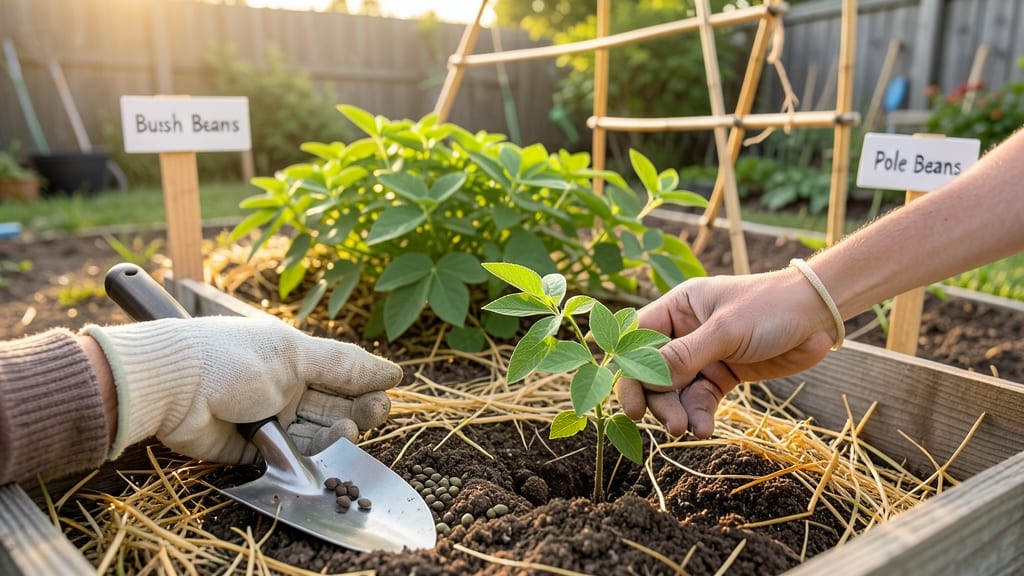
Maine’s frost-free window for green beans: exact planting dates by region
Maine’s short growing season means timing is everything when planting green beans. The average last frost date ranges from mid-May in southern Maine to late May in northern regions.
To maximize your harvest, aim to plant 2-3 weeks after your local last frost date—typically late April to early June—when soil temperatures hit at least 50°F.
Green beans thrive in cool to warm temperatures but struggle with late-season heat. Since Maine’s first frost often arrives by early October, you’ll want varieties that mature in 50-60 days to avoid losing your crop.
Southern Maine gardens (like Portland) have a slightly longer window, while northern areas (like Bangor) must act faster.
🌱
| Region | Last Frost Date | Ideal Planting Window | Soil Temp Requirement | Harvest Window |
|---|---|---|---|---|
| Southern Maine (Portland, Kittery) | Mid-May | Late April - Early June | 50°F+ | July - Early October |
| Central Maine (Augusta, Waterville) | Late May | Early May - Mid-June | 50°F+ | Late July - Mid-September |
| Northern Maine (Bangor, Presque Isle) | Late May - Early June | Mid-May - Early June | 50°F+ | Late July - Early September |
For the most accurate frost dates, check the Maine State Climate Office or use the USDA Plant Hardiness Zone Map (Maine falls in Zones 4b-6a). If you’re unsure, err on the side of planting slightly later—green beans can tolerate light frost as young seedlings but won’t survive heavy freezes.
Pro tip: Use biodegradable seed starter pots to get a head start indoors. Begin sowing seeds 4-6 weeks before your target outdoor planting date. This gives you a 2-week advantage over direct sowing and helps beat Maine’s unpredictable springs.
If you’re in a cooler microclimate (like higher elevations), opt for shorter-season varieties or extend your season with row covers. I’ve had success with 'Contender' beans in my Zone 5b garden—they mature in just 50 days and handle cooler temps better than most.
🌿
Another key factor is soil preparation. Green beans prefer well-draining, slightly acidic soil (pH 6.0-7.0). Amend your garden beds with compost or aged manure 2-3 weeks before planting to improve fertility. Avoid fresh manure, which can burn tender seedlings.
For pole beans (like 'Kentucky Wonder'), plan to plant near a trellis or fence to save space.
These varieties need 6-8 feet of vertical support but yield more per square foot. Bush beans (like 'Blue Lake') are better for smaller gardens and mature faster, making them ideal for succession planting.
🪴
Don’t forget to monitor your garden for Japanese beetles and bean beetles, which are common in Maine. Handpick pests early in the morning or use row covers to protect young plants. A neem oil spray can also help deter pests without harming beneficial insects.
Best green bean varieties for Maine gardens & their ideal planting times
Maine’s short growing season demands cold-hardy green bean varieties that thrive in cooler temperatures. Some varieties tolerate light frosts, while others need warmer soil to germinate. Choosing the right type ensures a reliable harvest before fall frost. For early planting (late April), opt for cold-tolerant bush beans like 'Contender' or 'Blue Lake Bush'. These varieties handle 50°F soil and can even survive brief chills. If you’re planting later (June), heat-tolerant pole beans like 'Kentucky Wonder' or 'Rattlesnake' perform best in warmer conditions. Succession planting is key in Maine—space out planting dates every 2 weeks to stretch your harvest from July through September. This works especially well for bush beans, which mature faster (about 50-55 days) than pole varieties (60-70 days).| Variety | Type | Best Planting Time | Days to Harvest | Cold Tolerance |
|---|---|---|---|---|
| Contender | Bush | Late April–May | 50–55 | High |
| Blue Lake Bush | Bush | Late April–June | 55–60 | Moderate |
| Kentucky Wonder | Pole | May–June | 60–70 | Low |
| Rattlesnake | Pole | June | 65–75 | Low |
| Provider | Bush | Late May–June | 50–55 | High |
🌱