
Plants
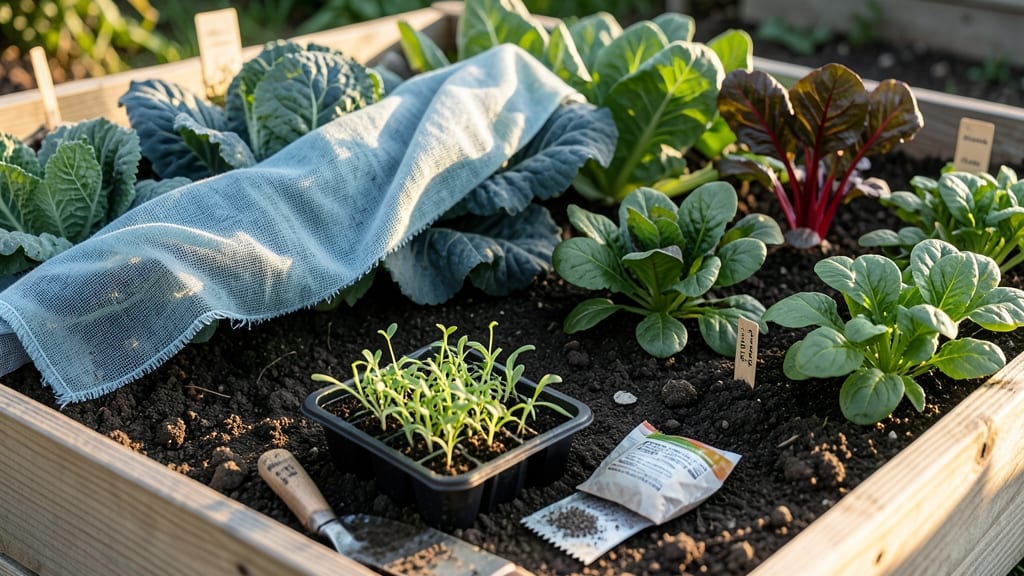
Timing your fall greens planting just right could mean the difference between a bumper crop of crisp, sweet 🥬 leaves and a sad, frost-bitten mess. If you've ever watched your carefully tended plants wilt overnight, you know how frustrating it can be to get the schedule wrong.
Here's the secret: most gardeners in Zone 6a should start planting their leafy greens 4-6 weeks before the first frost—typically between late August and early September.
This window gives your greens enough time to mature before winter sets in, but not so early that they bolt or become bitter from summer heat.
What makes this timing so critical? The answer lies in understanding your local frost dates and choosing fast-maturing varieties that can handle cooler temperatures. With the right approach, you can enjoy fresh harvests straight through fall and even into winter.
I'll show you exactly how to calculate your perfect planting window, which varieties thrive in fall conditions, and how to extend your harvest season without risking frost damage. Let's get those greens growing!
Fall planting deadlines by USDA hardiness Zones for fast-growing greens
Timing is everything when planting fall greens—miss the window, and you risk bitter-tasting leaves or frost damage. Most leafy greens thrive in cool weather and need 4-6 weeks to mature before winter sets in.
The key is planting 4-8 weeks before your first frost date, depending on your USDA hardiness zone and the variety's days to maturity.
For example, in Zone 3 (like Minnesota or Maine), you’ll want to start seeds indoors by late July and transplant by early August to harvest before hard frosts arrive in mid-October. Meanwhile, in Zone 10 (like Southern California), you can plant directly outdoors until November thanks to milder winters.
Let’s break down the exact deadlines for each zone to ensure your greens grow sweet and crisp, not tough and bitter.
| Zone | First Frost Date | Last Planting Window | Ideal Varieties | Days to Maturity |
|---|---|---|---|---|
| 3-4 | Mid-Sept to Oct 1 | Late July to Aug 15 | 'Winter Density' Kale, 'Bloomsdale' Spinach | 30-50 days |
| 5-6 | Oct 15-Nov 1 | Aug 1-Sept 15 | 'Early Summer' Spinach, 'Winterbor' Kale | 28-45 days |
| 7-8 | Nov 15-Dec 1 | Sept 1-Oct 15 | 'Tendergreen' Lettuce, 'Giant Winter' Spinach | 25-40 days |
| 9-10 | Dec 15-Jan 15 | Sept 15-Nov 1 | 'Black Seeded Simpson' Lettuce, 'Fordhook' Giant | 20-35 days |
Notice how the planting window shifts later as you move south? In Zone 9 or 10, you can even plant directly into the ground until November, thanks to milder winters.
But in Zones 3-5, you’ll need to start seeds indoors in July or use transplants to avoid missing the boat. Pro tip: Check your local frost dates using the USDA Plant Hardiness Zone Map or a frost calendar for your area.
Another critical factor is soil temperature. Most fall greens prefer soil temps between 45°F and 75°F. If your soil is still too warm (above 80°F), your greens may bolt or taste bitter.
To test, use a soil thermometer—plant when temps drop to 70°F or below. In hot climates, shade cloth can help cool the soil faster.
Don’t forget about succession planting! For a continuous harvest, sow small batches every 2-3 weeks up until 6 weeks before your first frost. This ensures you’re always harvesting fresh greens without overwhelming your garden at once.
For example, in Zone 6, you could plant spinach on August 1, August 15, and September 1 for staggered harvests.
If you’re in a transition zone (like Zone 7b), where frosts can be unpredictable, err on the side of earlier planting.
Some varieties, like 'Winterbor' kale, can handle light frosts and even taste sweeter after a frost, but others, like lettuce, will bolt if exposed to freezing temps. Always check the seed packet for cold tolerance details.
One common mistake gardeners make is
Fall planting deadlines by USDA hardiness Zones for fast-growing greens
Timing is everything when planting fall greens—get it wrong, and you’ll end up with bitter leaves or frost-killed crops. Most leafy greens thrive when sown 4-6 weeks before your first frost date, but exact deadlines vary by USDA zone.
In Zones 3-5, aim for mid-August to early September, while Zones 6-8 can stretch planting until late September or early October.
For example, in Zone 6a (like Chicago or Denver), your last planting window is around September 15 for a 30-60 day harvest before winter sets in. Miss this window, and your greens may bolt or freeze before reaching maturity. Always check your local frost dates—they’re your garden’s ultimate deadline.
| USDA Zone | Last Planting Window | Frost Tolerance | Harvest Window |
|---|---|---|---|
| 3-4 | Mid-August | Light frost (28°F) | October-November |
| 5-6 | Late August-Sept 15 | Moderate frost (25°F) | October-December |
| 7-8 | Sept 15-October 1 | Light frost (30°F) | November-January |
| 9-10 | October-November | No frost (or mild) | Winter (with protection) |
In Zones 9-10, where frost is rare or late, you can plant greens as late as November—but use row covers or cold frames to protect tender varieties like lettuce.
Even in warmer zones, a light frost (28°F) can ruin delicate greens, so plan accordingly. Pro tip: Succession plant every 2 weeks for continuous harvests.
If you’re in the Southern Hemisphere, reverse the timeline—plant in March-April for a fall harvest. For example, Zone 8-9 in Australia (like Sydney) should aim for March 15-April 15 for greens like baby leaf spinach or arugula. Always adjust for local microclimates—valleys freeze faster than hillsides!
Don’t forget to harden off seedlings before transplanting—gradually expose them to outdoor conditions for 7-10 days to prevent shock. This is especially critical in Zones 3-5, where temperature swings can stress young plants.
Use mulch to insulate soil and retain warmth for slower-growing varieties like kale or Swiss chard.
For a foolproof fall garden, mark your frost dates and count backward. Plant fast-maturing varieties (like 'Bloomsdale' spinach, ready in 30 days) first, followed by hardier crops (like 'Winterbor' kale, which tolerates 20°F).
With the right timing, you’ll enjoy crisp, sweet greens straight through winter—no greenhouse required!