
Plants
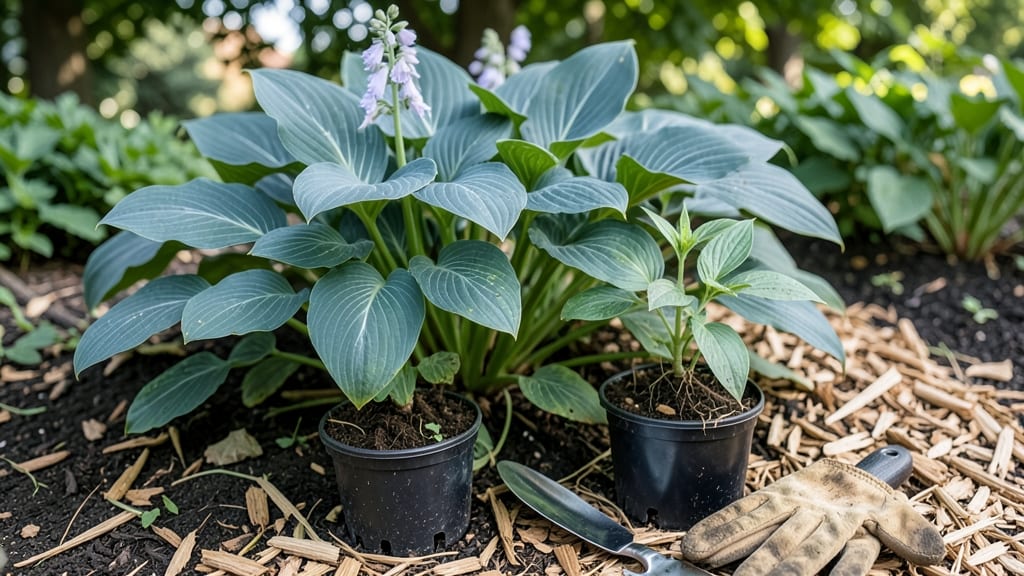
If you're asking "when to plant hostas in Kansas", timing is the secret to thriving 🌿 foliage that steals the show all season. Kansas gardeners know the struggle—plant too early, and frost zaps your new hostas; too late, and they miss the growing rush.
The ideal window isn't just about months—it's about soil temperature, frost dates, and even your specific USDA zone (5b-7a).
Most gardeners swear by early spring or fall planting, but here's the kicker: Kansas' unpredictable weather means flexibility is key. Whether you're in Wichita's Zone 7a or Topeka's 5b, I'll break down the exact frost-free timelines and soil cues to know your hostas are ready for action.
No more guessing—just lush, established plants that reward your patience.
You might think all hostas are created equal, but some varieties establish roots faster than others in Kansas' clay-heavy soil. I'll show you which types thrive when planted early spring vs. fall, and how to prep your soil for maximum growth.
Plus, we'll tackle common mistakes that leave hostas struggling—like planting too deep or ignoring shade requirements.
Ready to transform your yard with bold, shade-loving hostas that come back bigger every year? Let's dive into the Kansas-specific planting schedule that'll have your garden looking like a pro's showpiece—without the trial and error.
Your hostas' best growth starts with the right timing, and I've got the details to make it foolproof.
Kansas frost-free dates by Zone: best planting windows for hostas
Hostas thrive in Kansas’s USDA Zones 5b-7a, but planting them at the wrong time can stunt growth or invite frost damage. The key is aligning your planting schedule with your local frost-free dates—typically mid-March to mid-April for spring and mid-September to early October for fall.
In Zone 5b (e.g., Wichita), aim for after April 15, while Zone 7a (e.g., southeast Kansas) can start as early as March 15. Fall planting offers a second chance, but stop by October 1 to avoid winter stress.
Kansas’s variable climate means frost can linger well into May in northern regions, while southern areas may escape frost by early March. Always check the Kansas State University Extension’s frost date maps for your county.
For example, Topeka (Zone 6a) averages April 10 for last frost, while Dodge City (Zone 6b) often waits until April 25. Planting too early risks frost heave—when roots freeze and lift out of the soil.
Spring is the preferred planting window because hostas establish roots before summer heat sets in. However, fall planting (September-October) works well if you choose smaller, established plants that can root before winter. Avoid planting in late fall (November or later)
In Zone 7a, where winters are milder, you can push fall planting into early November, but Zone 5b gardeners should stop by October 15. 📌 Pro Tip: Use a soil thermometer to confirm soil temps are 50°F+ before planting. If you’re unsure about your last frost date, use the 50°F soil temperature rule as a backup. Hostas won’t thrive in cold soil, so wait until the ground warms to at least 50°F at 4-inch depth. In Zone 5b, this often aligns with mid-April, while Zone 7a may hit this mark by early March. For container-grown hostas, you can plant 2 weeks earlier than in-ground, as pots warm faster. Adjust your timing if you’re in an urban heat island (e.g., Kansas City). Cities can be 5–10°F warmer than rural areas, pushing last frost dates 1–2 weeks later. Monitor local weather forecasts and use K-State’s Mesonet for real-time data. If a late frost warning appears, cover young hostas with frost cloth or row fabric until temperatures stabilize. For bare-root hostas, plant as soon as soil is workable—usually 2–3 weeks before your last frost date. Soak roots overnight before planting to encourage root growth. If you’re transplanting container-grown hostas, you have a slightly wider window (3–4 weeks before last frost) because their roots are already established. Always water deeply after planting to reduce transplant shock. Fall planting offers cooler soil and less competition from weeds, but time it so hostas can establish roots before dormancy sets in. Aim to plant 6–8 weeks before your first frost date. In Zone 5b, this means early September, while Zone 7a can stretch into early November. Mulch heavily (3–4 inches) after fall planting to insulate roots during winter. Missed the spring window? Don’t panic—hostas are perennials and will bounce back. However, planting in late spring (May–June) means your hostas may struggle through summer heat before establishing
USDA Zone
Last Frost Date
First Frost Date
Ideal Spring Planting Window
Ideal Fall Planting Window
Zone 5b (e.g., Wichita)
April 15
October 15
April 15–May 15
September 1–October 1
Zone 6a (e.g., Topeka)
April 10
October 20
April 1–May 15
September 15–October 15
Zone 7a (e.g., Pittsburg)
March 15
November 1
March 1–April 30
September 1–November 1
Signs your Kansas soil is ready for hostas (and when to wait)
Hostas thrive when planted in warm, moist soil with temperatures above 50°F. In Kansas, this typically means waiting until mid-April to early May in most zones, but soil conditions, not just dates, determine readiness.
Testing your soil’s temperature and moisture is the key to avoiding stunted growth or frost damage.
Use a soil thermometer to check depth—hostas prefer 55°F+ soil at 4-6 inches deep. If your thermometer reads below 50°F, wait another week. Cold soil slows root establishment, leaving hostas vulnerable to late spring frosts, which Kansas is notorious for.
🌱 Pro Tip: In-ground soil warms faster than containers, so potted hostas may need an extra 1-2 weeks of patience. Urban heat islands in cities like Wichita can create 5-10°F warmer soil than rural areas, so adjust your timing accordingly.
⚠️ Warning: Planting Too Early
Cold, wet soil causes root rot and fungal diseases like crown rot. If your soil feels damp and cold (like a chilled sponge), delay planting until it crumbles easily when squeezed. Kansas’ April showers can keep soil too soggy—wait for it to dry slightly.
Moisture is just as critical as temperature. Hostas need well-draining soil that holds moisture but doesn’t stay waterlogged. Press your finger 2 inches into the soil—if it feels dry like a powder, water deeply 24 hours before planting.
If it’s sticky and clumps together, wait for better conditions.
For container planting, mix 50% potting soil with 50% compost to improve drainage. Containers heat up faster in Kansas sun, so monitor soil moisture daily. In-ground hostas benefit from a 2-inch layer of mulch after planting to retain moisture and regulate soil temperature.
🌿 Final Check: Combine these signs for perfect timing: 1. Soil temp ≥ 55°F 2. Moist but not soggy 3. No frost forecast for 5-7 days If all three are met, your hostas are ready to thrive in Kansas’ shade gardens!