
Plants
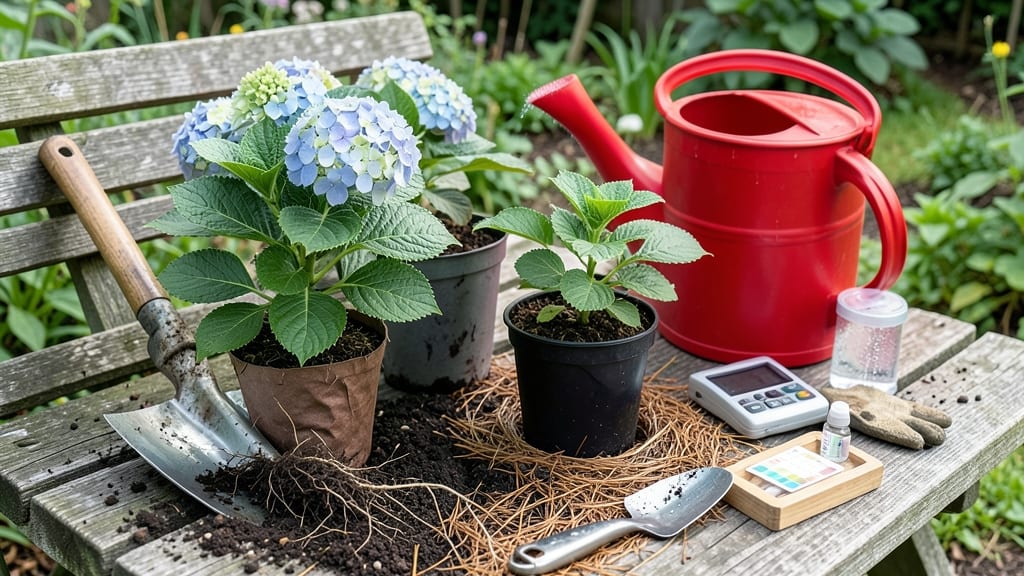
Timing your hydrangea planting just right in Georgia could mean the difference between a show-stopping 🌸 display and struggling shrubs. With the state's unique 7a-8b climate, knowing whether to plant in spring or fall—and exactly when—is the key to success.
Most gardeners assume spring is the only option, but Georgia's mild winters actually make fall planting a smart strategy for many varieties. I'll break down the perfect planting windows for both seasons, so you can avoid common mistakes that lead to weak growth or dead plants.
Whether you're planting oakleaf hydrangeas in Atlanta or mopheads in Savannah, local conditions like frost dates and humidity play a huge role. You'll discover how to prepare your soil, choose the right varieties for your zone, and even adjust for microclimates that can shift planting times by weeks.
Ready to give your hydrangeas the best possible start? Let's dive into the exact timing and techniques that will have your garden thriving year after year—without the guesswork.
Georgia hydrangea planting timeline by hardiness Zone (7a-8b)
Georgia’s USDA zones 7a-8b offer two ideal windows to plant hydrangeas: late winter through spring and early fall. Timing depends on your specific zone, frost dates, and whether you’re planting bare-root or container-grown hydrangeas.
In Zone 7a (northern GA), aim for April-May or September-October, while Zone 8b (southern GA) can start as early as March or extend to November.
Spring planting gives hydrangeas time to establish roots before summer heat, while fall planting allows them to settle before winter dormancy. Bigleaf hydrangeas (like 'Endless Summer') prefer cooler soil, so spring is best, while Oakleaf and Panicle varieties handle both seasons well.
Always check your local last frost date—northern GA averages mid-March, while southern GA sees frost as late as January.
Here’s your zone-specific planting timeline, including soil prep and transplant tips:
| Zone & Task | Zone 7a (North GA) | Zone 7b (Central GA) | Zone 8a (South GA) | Zone 8b (Coastal GA) |
|---|---|---|---|---|
| Soil Prep Window | Late Feb - Early March | Late Feb - Early March | Early Feb - Mid-March | Early Feb - Late March |
| Ideal Planting Months | April - May | April - May | March - April | March - May |
| Fall Planting Window | September - October | September - October | October - November | October - November |
| Soil Temp for Transplant | 60°F+ | 60°F+ | 60°F+ | 60°F+ |
| Bare-Root Planting Tip | Soak roots 2-4 hrs before planting | Soak roots 2-4 hrs before planting | Soak roots 2-4 hrs before planting | Soak roots 2-4 hrs before planting |
| Container-Grown Tip | Water 1 day before transplant | Water 1 day before transplant | Water 1 day before transplant | Water 1 day before transplant |
For container-grown hydrangeas, you can plant up to 6 weeks before your last frost date, but avoid transplanting when soil temps drop below 60°F. In Zone 8b (e.g., Savannah), you might even squeeze in a January planting for early blooms, but prioritize spring or fall for best results.
Pro tip: Amend your soil with compost and a slow-release fertilizer (like 10-10-10) before planting to give your hydrangeas a nutrient boost.
If you’re planting bare-root hydrangeas, soak the roots for 2-4 hours before transplanting to reduce shock. Dig a hole twice as wide as the root ball but only as deep—planting too deep can suffocate the roots. Backfill with native soil mixed with organic matter, then water
Signs your Georgia hydrangea planting time is perfect (or too early)
Timing your hydrangea planting in Georgia isn’t just about checking a calendar—it’s about reading your soil and weather like a pro. The 60°F soil rule is your golden ticket: hydrangeas won’t thrive until the ground warms to this temperature, usually by late March in most of Georgia.
Stick a soil thermometer 2 inches deep—if it’s below 60°F, wait a few more weeks. False springs are another sneaky risk, especially in Zone 7a areas like Atlanta or Athens, where a late frost can zap tender new growth.
Nighttime temperatures are just as critical. Aim for consistent 50°F+ nights before planting—any colder, and your hydrangea’s roots will struggle to establish. Check your local National Weather Service forecast for 5-day lows.
In Savannah (Zone 8a), you might plant as early as mid-February, while Dahlonega (Zone 7a) gardeners should hold off until mid-April. Microclimates matter too: urban areas like Downtown Atlanta stay warmer than rural spots, so adjust accordingly.
Georgia’s unpredictable weather can trick you into planting too early. A late frost in April (common in Zone 7a) can kill young hydrangeas. Wait until 3 consecutive days above 60°F with no frost in the forecast. Use frost-free date maps from the Georgia Climate Project as your guide.
Your hydrangea’s leaves and stems also send signals. Healthy nursery plants should have firm, green stems and buds that aren’t swollen—a sign they’re ready to grow. Avoid plants with yellowing leaves or soft, mushy stems, which indicate stress from cold or overwatering.
If you’re planting bare-root hydrangeas, the roots should look moist but not slimy, and the crown (where stems meet roots) should be firm and brownish, not green.
Don’t ignore the moon phase either—while not scientific, many Georgia gardeners swear by planting during the waxing moon (when roots grow upward). Check a lunar planting calendar for your region, and pair it with your soil and weather checks.
For example, a waxing gibbous moon in late April could be ideal for Bigleaf hydrangeas in Zone 7b, while a waning moon might stress your plants.
Finally, watch for local hydrangea blooms as a natural cue. When you see azaleas and dogwoods flowering in your neighborhood (usually late March to early April), it’s a sign that Panicle hydrangeas are ready to go in the ground.
These early bloomers thrive in Georgia’s climate, so their timing is a reliable barometer. If you’re planting Oakleaf hydrangeas, wait until after their leaves unfurl—typically mid-April in most of the state.
Pro tip: Mark your calendar for September 15th—this is the sweet spot for fall planting in Georgia. By this date, soil temperatures drop to the 65-70°F range, perfect for root establishment before winter.
Just avoid planting after October 15th, as new growth won’t harden off before the first frost. Happy planting! 🌸