
Plants
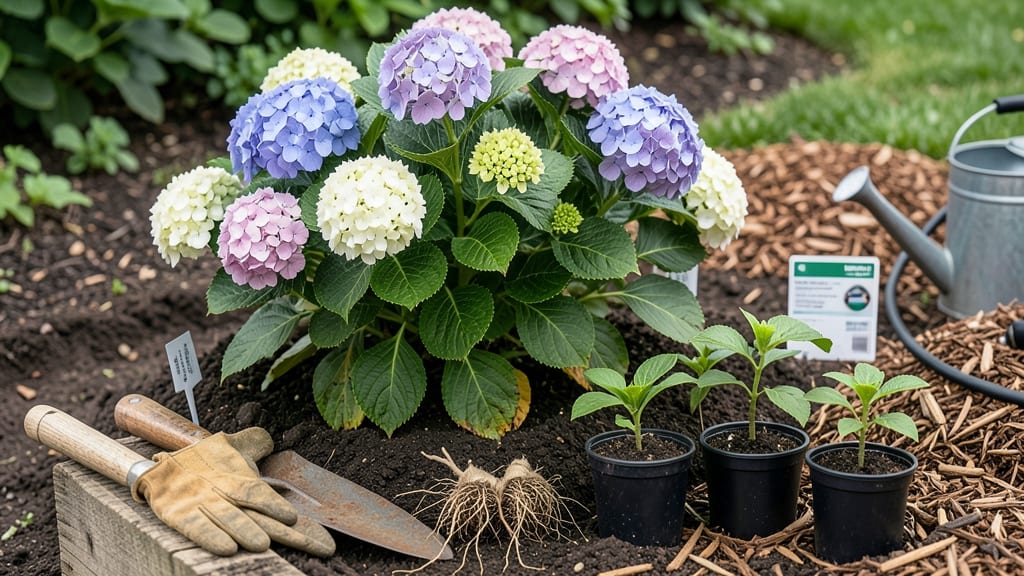
Timing your hydrangea planting just right in Seattle can mean the difference between vibrant blooms and a sad, wilted 🌸 by summer. The exact windows for planting—whether spring or fall—depend on Seattle’s tricky microclimates, from coastal fog to urban heat islands.
If you’ve ever wondered why some gardeners get perfect hydrangeas while others struggle, the answer lies in understanding local frost dates and soil prep. Seattle’s USDA Zone 8a gives you flexibility, but the Puget Sound’s chill can throw off even the best-laid plans.
I’ll break down the best months to plant, whether you’re working with bare-root or container-grown hydrangeas, and how to adjust for your specific neighborhood. No more guessing—just lush, thriving plants that steal the show every season.
Ready to turn your garden into a hydrangea paradise? Let’s dive into the secrets that keep Seattle gardeners ahead of the frost—and ahead of their neighbors.
Seattle’s hydrangea planting zones: USDA 7b vs. microclimate exceptions
Seattle’s USDA Zone 7b classification gives you a starting point, but the city’s diverse microclimates mean your hydrangeas’ ideal planting window could vary by neighborhood.
Coastal areas near Puget Sound experience cooler temperatures and fog, while urban heat islands in downtown Seattle can push spring planting 2-3 weeks earlier than nearby suburbs.
For most of Seattle, the safest planting windows are mid-March to mid-May (spring) and September to early October (fall).
However, coastal zones like West Seattle or Bainbridge Island may delay spring planting until late April to avoid late frosts, while inland areas like Redmond or Kirkland can start as early as mid-February for container-grown plants.
Understanding your last frost date is critical. Seattle’s average last frost falls around March 15, but this can shift ±10 days depending on elevation and proximity to water. Use the National Weather Service’s Seattle forecast or local gardening groups (like Puget Sound Gardening Association) for real-time updates.
Here’s how to adjust your planting timeline based on Seattle’s three key microclimates—coastal, urban, and inland:
| Microclimate | Spring Planting Window | Fall Planting Window | Key Adjustments |
|---|---|---|---|
| Coastal (West Seattle, Bainbridge) | Late April–May 15 | September 15–October 10 | Delay due to cooler temps and fog delays |
| Urban (Downtown, Capitol Hill) | Mid-March–April 30 | September 1–October 5 | Start earlier due to urban heat islands |
| Inland (Redmond, Kirkland) | Mid-February–April 15 | September 10–October 15 | Extend spring window for warmer microclimate |
Fall planting in Seattle offers a longer window than spring, but aim to finish by October 15 to allow roots to establish before winter. Container-grown hydrangeas can handle cooler fall soils, making them ideal for late-season planting in coastal areas where spring is risky.
Extend your growing season with these Seattle-specific tips: Use row covers for early spring plantings in frost-prone zones, and mulch heavily in late fall to insulate roots. For urban gardeners, black plastic mulch can warm soil 5-10°F earlier in spring, creating a microclimate advantage.
Seattle’s acidic soil (pH 5.0–6.0) is perfect for hydrangeas, but test your soil before planting. Amend with peat moss or sulfur if your pH exceeds 6.5, as this can affect bloom color. The Endless Summer variety thrives here, producing re-blooming flowers even in Seattle’s shorter summers.
Pro tip: Plant hydrangeas near evergreens like arbutus or rhododendrons to create a natural windbreak. This reduces windburn and protects delicate new growth in exposed areas like Ballard or Magnolia.
Monitor your local Almanac frost dates and adjust accordingly. While Seattle’s mild winters mean fewer surprises, a late frost in April** can still damage tender new shoots—so don’t rush spring plantings in coastal areas!
Bare-root vs. container hydrangeas: Seattle-specific planting timing differences
Seattle’s cool, damp climate means bare-root hydrangeas and container-grown varieties each have unique planting windows. Bare-root plants thrive when soil temperatures hit 45°F (7°C), typically mid-March to early May, while container-grown hydrangeas can wait until soil warms to 50°F (10°C)—often 4-6 weeks later.
This timing difference helps avoid transplant shock in Seattle’s unpredictable spring weather.
Container-grown hydrangeas are ideal for late spring planting (May-June) because their established root systems handle cooler soils better. They’re also perfect for fall planting (September-October) when bare-root options become riskier due to frost.
For both types, soil preparation is key—Seattle’s acidic soil needs compost and sulfur to reach the ideal pH of 5.0-6.0 for vibrant blooms.
| Plant Type | Seattle Planting Window | Soil Temp Requirement | Key Consideration |
|---|---|---|---|
| Bare-Root | March 15–April 30 | 45°F (7°C) | Fast root establishment; vulnerable to late frost |
| Container-Grown | April 15–June 15 | 50°F (10°C) | Established roots; handles cooler soils better |
| Fall Planting (Both) | September 1–October 15 | 50°F (10°C) | Avoid frost; water deeply before winter |
For bare-root hydrangeas, soak roots in water for 1-2 hours before planting to reduce stress. Dig a hole twice as wide as the root ball and amend the soil with organic matter like compost or peat moss.
Container-grown plants need their root balls loosened slightly before transplanting to encourage root spread into Seattle’s dense, clay-heavy soil.
Seattle’s coastal microclimates (like West Seattle) can delay frost until November 20, while inland areas (like Redmond) may see frost by October 25. Adjust your fall planting timeline accordingly—container-grown hydrangeas are safer in these areas because they establish roots faster.
Always mulch heavily (3-4 inches) to insulate roots during winter.
Pro tip: If planting in late spring (June), choose container-grown varieties like Endless Summer or Limelight, which tolerate heat better than bare-root types. These varieties also rebloom, giving you two flushes of flowers per season—ideal for Seattle’s cool, wet summers.
Monitor your hydrangeas closely after planting. Yellowing leaves may signal transplant shock or overwatering (Seattle’s rainy season makes drainage critical). Prune lightly in early spring to encourage bushier growth, and avoid heavy pruning until you’ve identified your hydrangea’s blooming type (mophead vs. lacecap).