
Plants
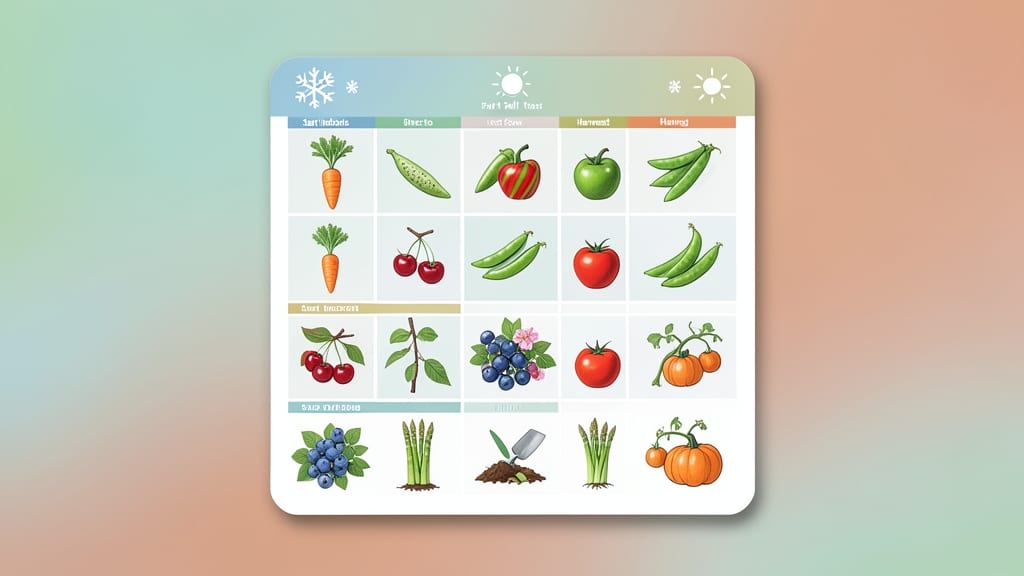
That Michigan calendar you’ve been waiting for—the one that finally tells you exactly when to plant in Zones 5b-6b without guessing—is here. One wrong move, and your tomatoes could turn into frost fries instead of juicy summer snacks.
I’ve spent years tracking Michigan’s fickle frost dates (yes, even the late-May surprises) to give you a foolproof planting timeline.
Whether you’re dreaming of heirloom tomatoes or vibrant perennial gardens, timing is everything. This isn’t just about memorizing dates—it’s about beating Michigan’s unpredictable weather with smart strategies, like using row covers or adjusting for your microclimate (Upper vs. Lower Peninsula).
Let’s cut through the confusion and get your garden growing on the right schedule.
You’ll discover the ideal planting windows for every crop, from cool-season greens to heat-loving peppers, plus how to stretch your growing season with simple tricks. No more wasted seeds or missed harvests—just a garden that thrives, even when Michigan throws a curveball.
Ready to turn your backyard into a year-round oasis? Let’s dive into the calendar that’ll make you the envy of every gardener in the state.
Michigan planting calendar by month: Zone 5 & 6 frost dates explained
Michigan’s Zone 5b and 6b climates mean your planting schedule hinges on frost dates that shift yearly. Southern Michigan (like Detroit) averages its last spring frost around April 15, while northern areas (like Traverse City) often wait until May 1.
Similarly, first fall frosts arrive October 15 in the south and October 1 in the north. Planning around these dates ensures your tomatoes, peppers, and flowers thrive—not freeze!
To simplify, I’ve broken down each month’s planting windows for cool-season crops (like spinach and kale) and warm-season crops (like basil and zucchini). Pro tip: Use row covers to extend early spring or late fall planting by 2-3 weeks—this is a game-changer for Michigan gardeners!
🌱
| Month | Cool-Season Crops (Plant) | Warm-Season Crops (Plant) | Frost Risk | Action Tip |
|---|---|---|---|---|
| March | Peas, spinach, lettuce (hardy) | — | High (late frosts) | Cover seeds with mulch for warmth. |
| April | Carrots, radishes, onions | Start tomatoes/peppers indoors | Moderate (watch forecasts) | Use cold frames for early starts. |
| May | Broccoli, cabbage (after frost) | Transplant tomatoes, peppers | Low (post-last frost) | Hardening off seedlings for 7-10 days. |
| June | Green beans, beets | Direct-sow cucumbers, squash | None (safe for all) | Mulch to retain moisture. |
| July | — | Sow basil, dill, late tomatoes | None | Prune herbs to encourage growth. |
| August | Kale, arugula (for fall) | — | Low (early frost risk) | Use row covers for late crops. |
| September | Spinach, garlic, onions | — | Moderate (late frosts) | Plant bulbs like tulips now. |
| October | Cover crops (clover) | — | High (first frost) | Harvest remaining veggies before frost. |
How to adjust your planting schedule for Michigan’s unpredictable weather
Michigan’s late spring frosts and early fall freezes can derail even the best-laid gardening plans. But with the right adjustments—like row covers, hardening off seedlings, and microclimate tracking—you can push your planting windows by 2-4 weeks safely.
The key is understanding how to extend your season without risking frost damage.
Start by monitoring soil temperatures, not just air temps. Many seeds need soil at 50-60°F to germinate, while others (like peppers) require 70°F+. Use a soil thermometer to avoid planting too early.
For example, spinach and peas can handle cooler soils, but tomatoes and cucumbers will rot if planted in chilly earth.
Here’s how to beat Michigan’s frost risks with proven tactics:
- 📅 Plant cool-season crops (like kale, lettuce, and carrots) 4-6 weeks before your last frost date. Use a row cover to protect them until mid-May.
- ☀️ Hardening off seedlings takes 7-10 days. Gradually expose them to wind and sun to avoid shock when transplanting after last frost.
- 🌡️ Use cold frames or low tunnels to extend fall harvests by 3-4 weeks. These create a 5-10°F warmer microclimate.
- 📍 South-facing slopes warm up 2-3 days earlier than flat areas. Plant heat-loving crops (like peppers and eggplants) here first.
- 🌱 Succession plant fast-growing crops (like bush beans and radishes) every 2 weeks to maximize your 140-180 frost-free days.
Don’t forget to prepare your soil early. Michigan’s clay-heavy soils benefit from compost and organic matter added in fall or early spring. Aim for a pH of 6.0-7.0 for most vegetables, and test your soil in March to avoid last-minute adjustments.
A well-drained bed prevents root rot, especially for tomatoes and peppers planted after last frost.
For warm-season crops, wait until after Memorial Day (around May 30) to plant tomatoes, peppers, and squash. These plants won’t tolerate frost and need consistent warmth to thrive. If you’re eager to start earlier, sprout seeds indoors under grow lights and transplant after last frost.
Finally, track local frost dates beyond the averages. Use resources like the Michigan State University Extension or National Weather Service for hyper-local alerts. In Zone 5b (southern Michigan), you might plant 2 weeks earlier than in Zone 6b (northern Michigan).
Adjust your schedule based on your specific microclimate—not just the state average.