
Plants
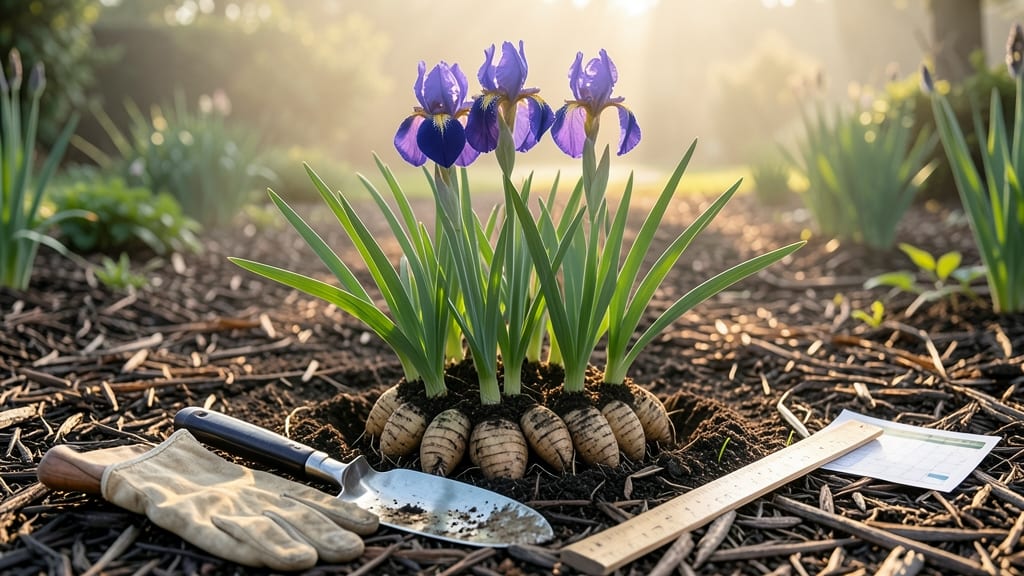
Best planting months for iris bulbs in Kansas (zones 5-7)
Kansas gardeners know timing matters—especially when planting iris rhizomes (often mistakenly called bulbs). The ideal window is early fall (September-October) or early spring (March-April), when soil temps hover between 50-60°F. This gives roots time to establish before winter dormancy or summer heat.
Fall planting is my top recommendation because cooler temps reduce rot risk while allowing roots to grow before frost. In Kansas City (Zone 6), aim for late September; in Wichita (Zone 7), extend to early October.
Spring planting works too, but rush it past April 15 (average last frost), and you’ll miss peak bloom season.
Soil temperature is your best guide. Use a soil thermometer—plant when temps stay below 65°F for 5+ days. In Kansas’ clay-heavy soils, this often means waiting until after mid-August heat spikes subside.
⚠️ Microclimate matters: Northern Kansas (Zone 5) has earlier frosts—plant by September 15. Southern Kansas (Zone 7) can stretch to October 15, but avoid planting when nighttime temps drop below 40°F.
| Planting Window | Kansas City (Zone 6) | Wichita (Zone 7) | Soil Temp Threshold |
|---|---|---|---|
| Early Fall | Late September | Early October | 50-60°F |
| Spring | March 15-April 15 | March 15-May 1 | 45-55°F |
| Avoid | After April 15 | After May 1 | Above 65°F |
*Adjust 1-2 weeks based on local microclimates or unusual weather patterns.
For container growing, extend your window by 2-3 weeks. Pots warm faster, so plant iris rhizomes in containers by mid-October for fall or late April for spring. Just ensure containers have drainage holes—Kansas’ heavy clay soils mimic soggy conditions if water pools.
Pro tip: Divide existing iris clumps in early fall (September) or late winter (February). This rejuvenates plants and gives you free rhizomes to expand your garden. Just handle them gently—iris roots bruise easily.
Watch for unpredictable Kansas weather: A late-September frost? Wait until soil temps stabilize. Unexpected winter warmth? Plant earlier. Flexibility is key—iris rhizomes survive if they’re dormant, but active growth needs stable conditions.
After planting, mulch heavily (3-4 inches) with straw or shredded leaves to insulate roots. In Kansas’ dry winters, this prevents freeze-thaw cycles that can heave rhizomes out of the ground. Spring-blooming varieties like Iris germanica reward patience with vibrant purple blooms by May.
🌸 Remember: Rhizomes ≠ bulbs. Iris grows from thick, fleshy rhizomes that store nutrients. Plant them shallowly—just 1-2 inches deep, with the top third exposed. This prevents rot in Kansas’ wet springs.
How to prepare Kansas soil for iris bulbs before planting
Kansas soil can be tricky for iris bulbs—too much clay or poor drainage will stunt their growth. Before planting, focus on soil structure and pH balance to create the perfect environment for your rhizomes.
Irises thrive in well-draining, slightly acidic to neutral soil (pH 6.0-7.0), so let’s fix common Kansas soil issues first.
Start by testing your soil’s pH and drainage. Kansas’ clay-heavy soils retain too much moisture, which can rot iris rhizomes. If your soil feels dense or stays soggy after rain, it’s time for amendments. Aim for loamy, gritty soil that mimics their natural habitat in meadows.
Here’s what to avoid: overworking wet soil, which compacts it further, and using fresh manure, which can burn rhizomes. Instead, opt for composted organic matter like leaf mold or well-rotted compost. Mix in sand or perlite to improve drainage without altering the soil’s fertility too much.
⚠️ Critical Warning
Never plant irises in soggy soil! Kansas’ unpredictable rainfall means you must ensure excellent drainage. If your garden holds water after 6 hours, raise beds or add gravel layers at the bottom of planting holes.
Next, adjust the pH if needed. Most Kansas soils lean alkaline (pH 7.5+), which stresses irises. Lower the pH with sulfur or peat moss, working it into the top 12 inches of soil. Test again after 4-6 weeks—irises won’t tolerate extreme pH swings.
For established gardens, mulch lightly with straw or pine needles (avoid thick layers, which smother rhizomes). This keeps soil temperatures stable and reduces weed competition. In clay-heavy areas, consider planting irises in raised beds filled with a mix of topsoil, compost, and coarse sand for ideal conditions.
Finally, mark your planting spots with stakes to avoid disturbing the soil later. Irises hate root disruption, so plan their location carefully. With the right prep, your rhizomes will establish strong roots before Kansas’ first frost—setting the stage for bold blooms next spring. 🌸